
Level 1 sweep and inspection to the NFPA 211 annual standard - flue, crown, cap, and flashing checked and photographed
Chimney sweep logs do not sweep chimneys. They loosen some creosote - which then falls where a brush and vacuum still have to collect it.
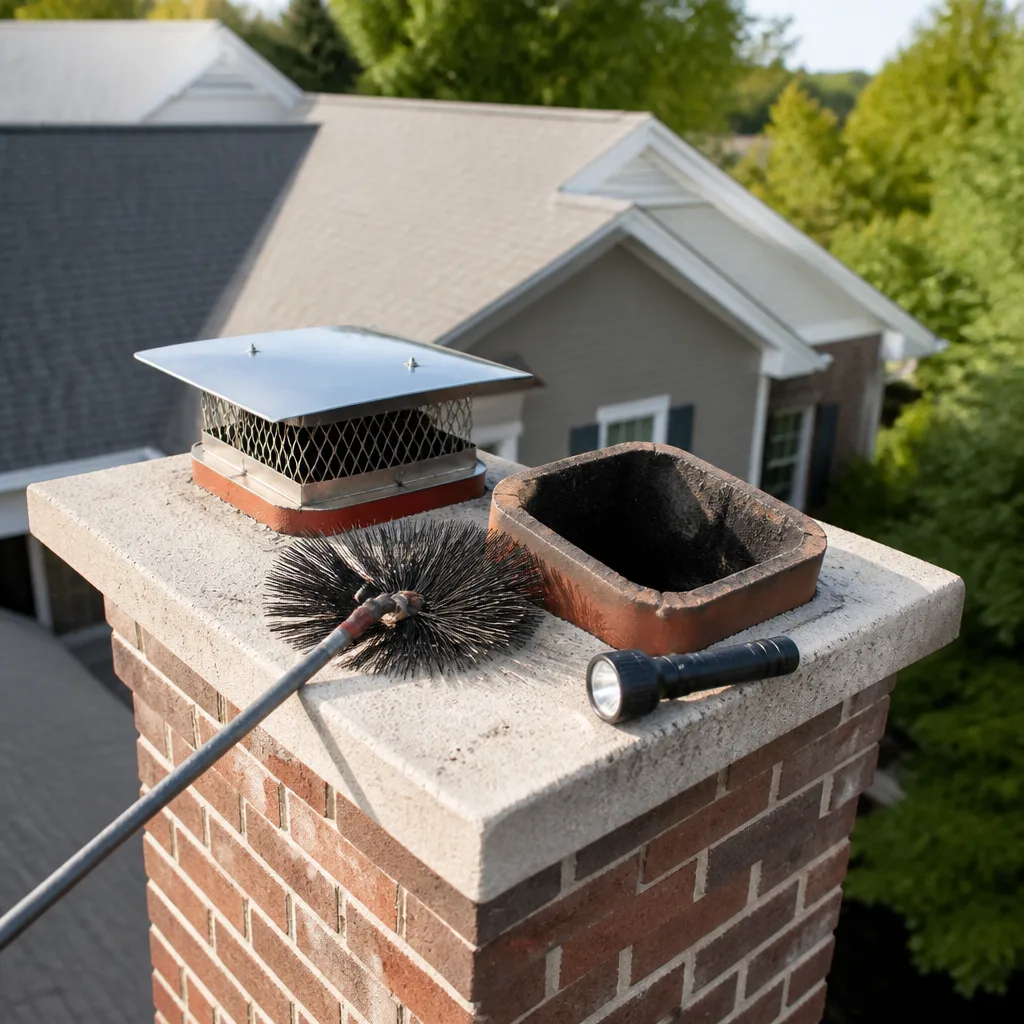
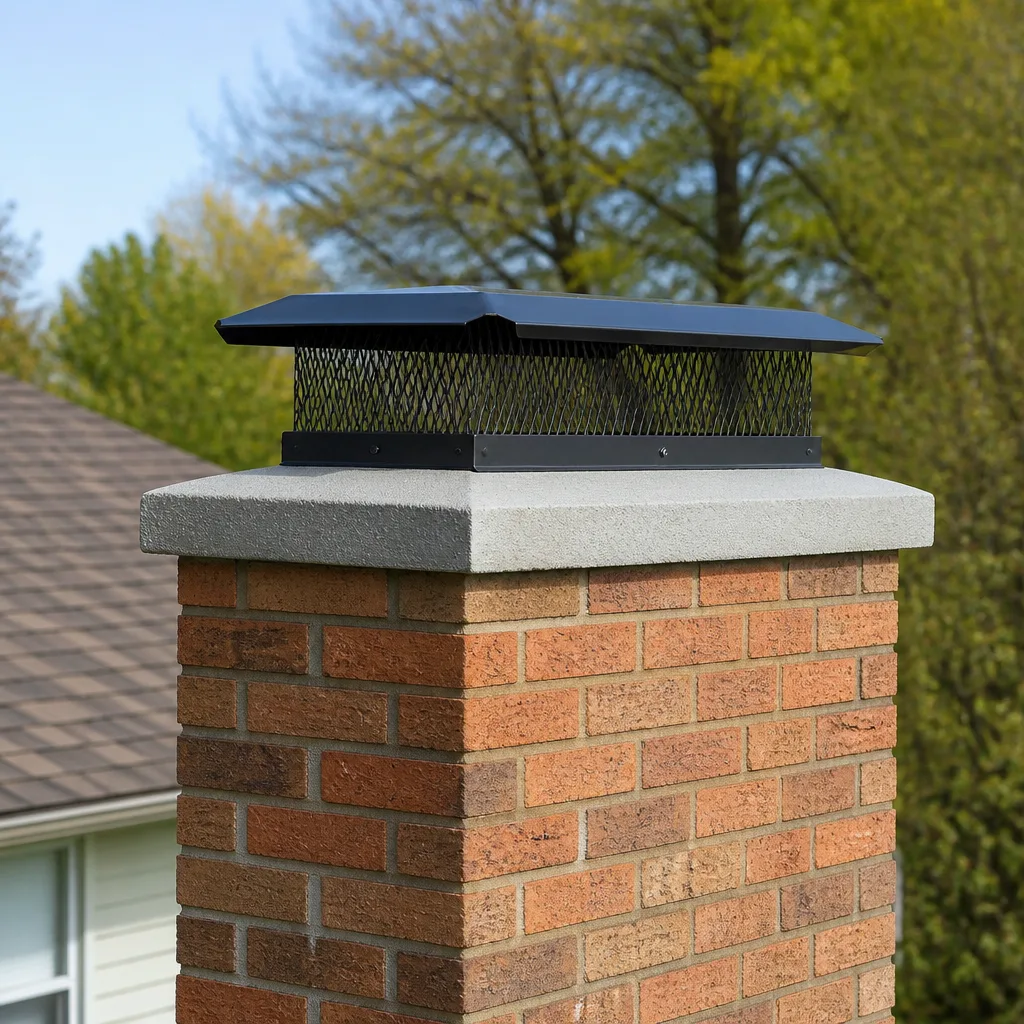
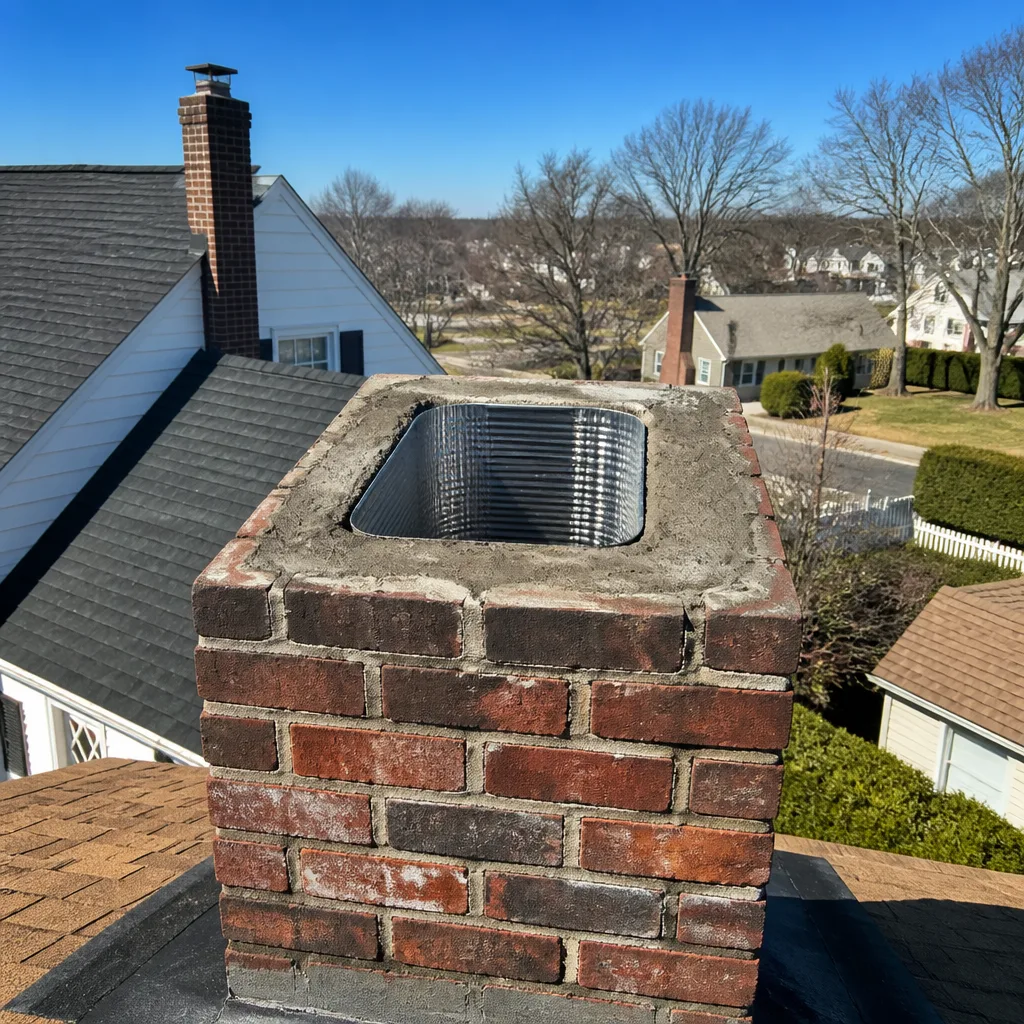
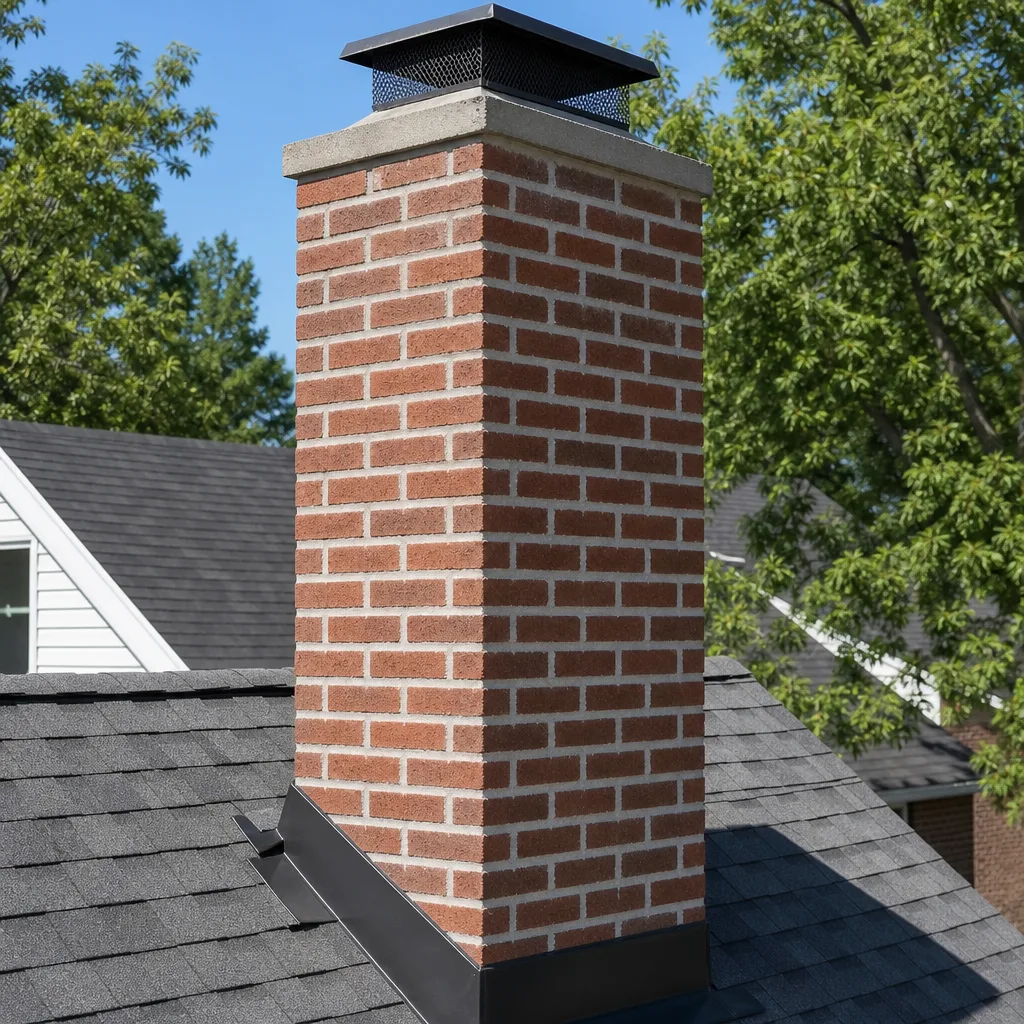
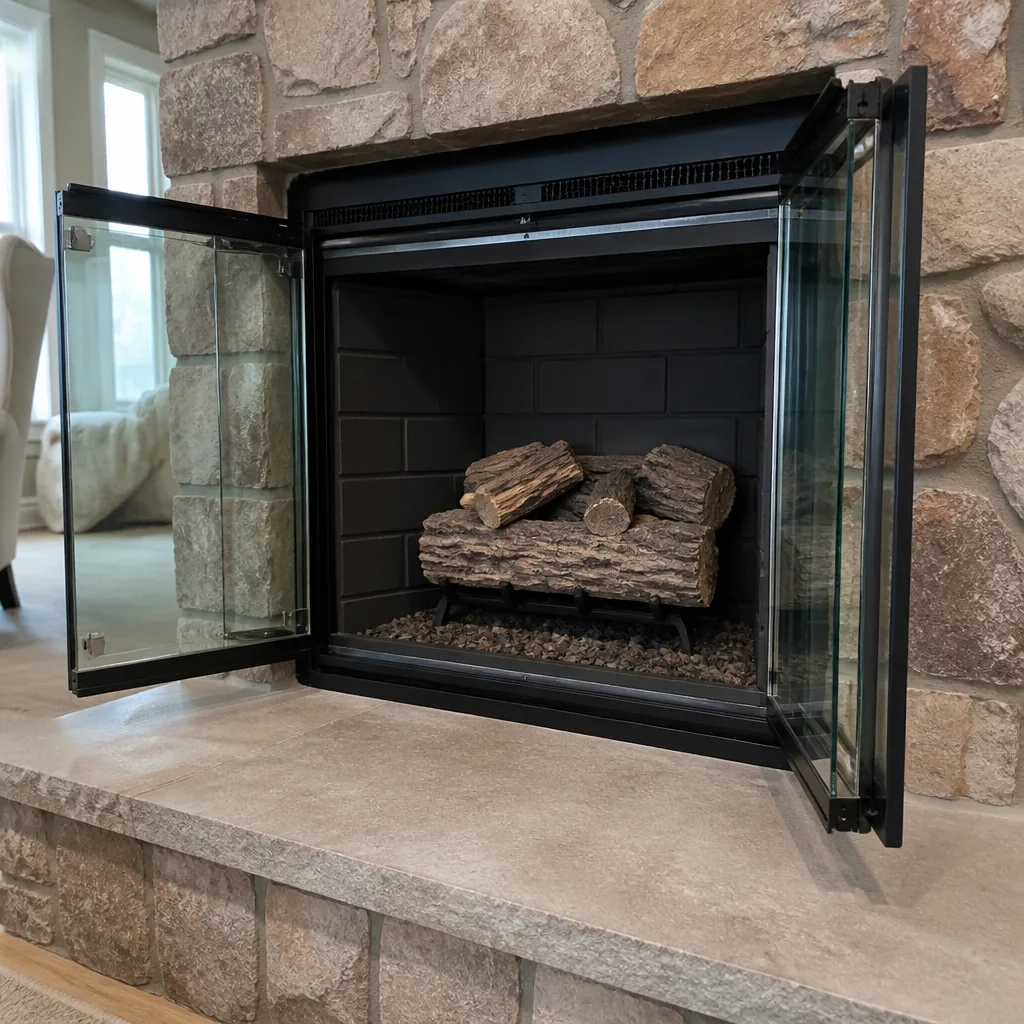
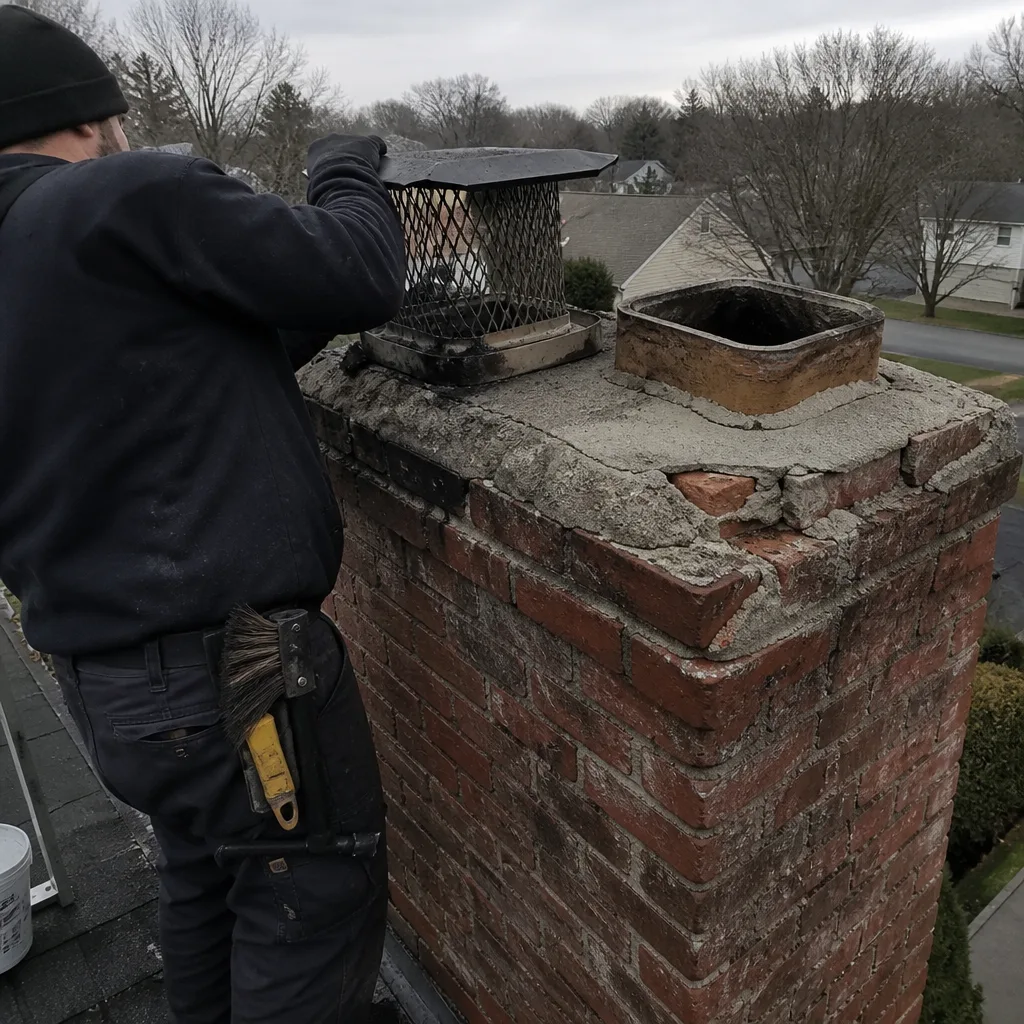 Before
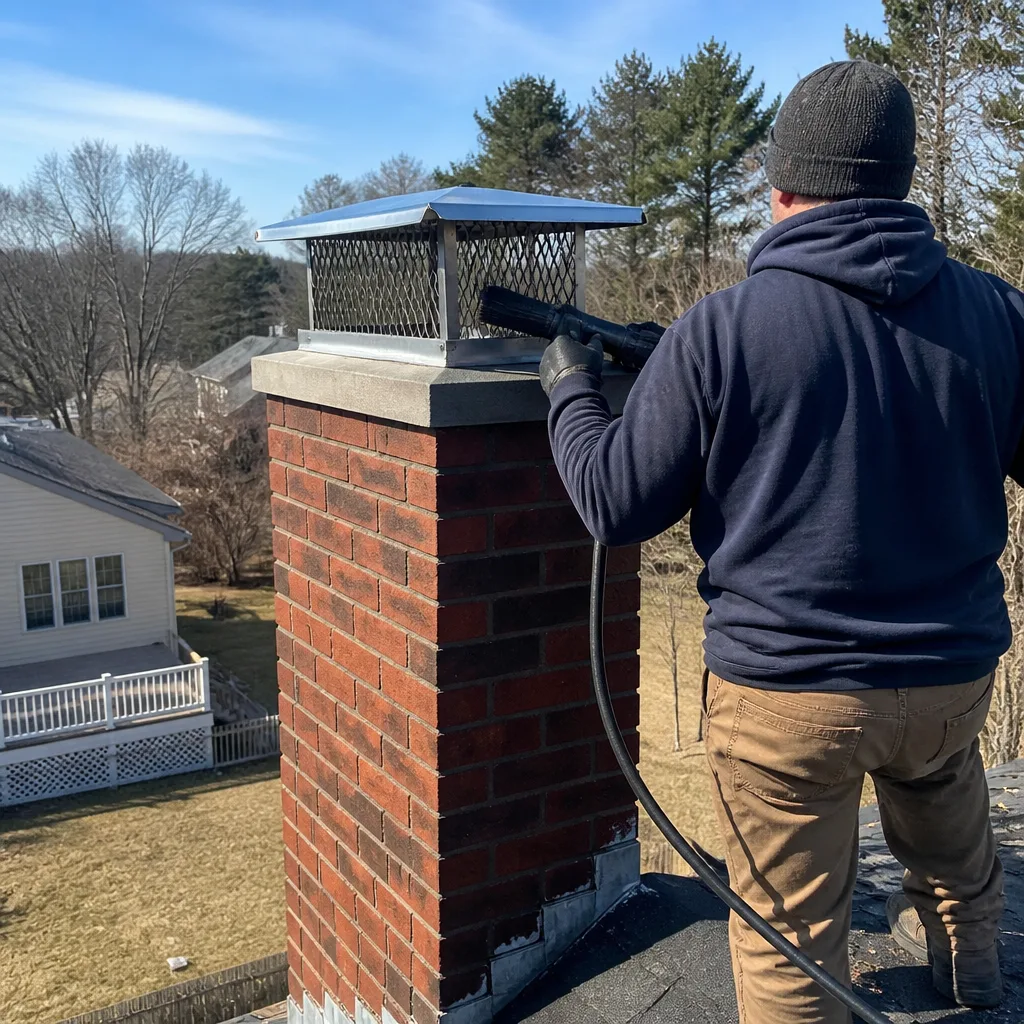 After
After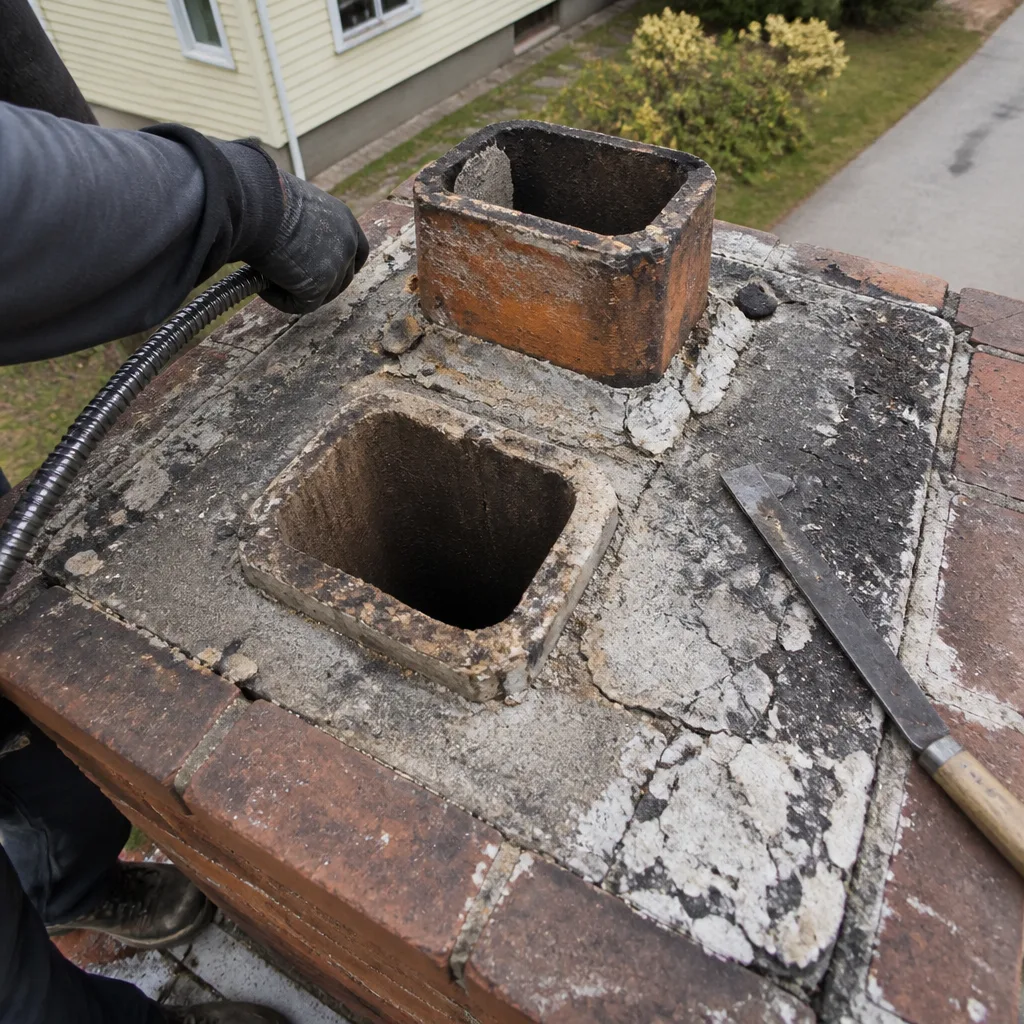 Before
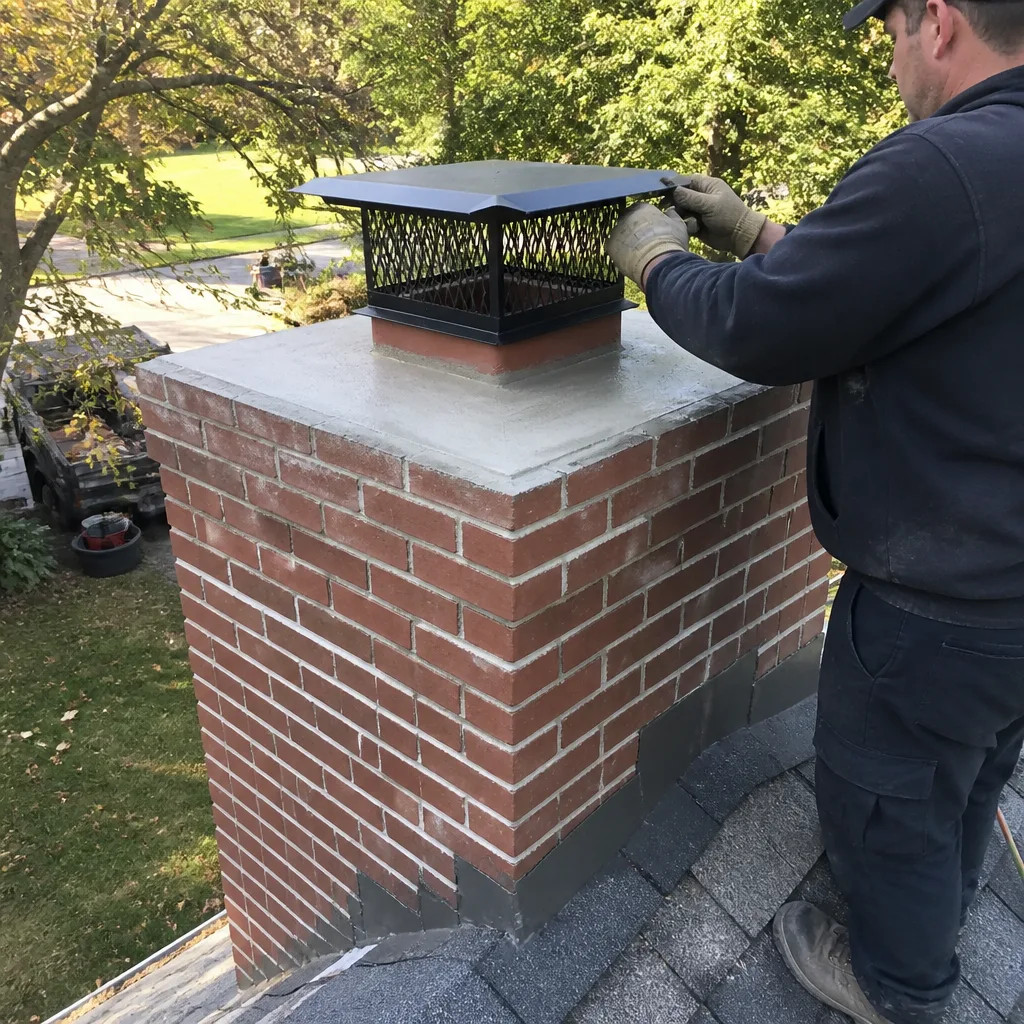 After
After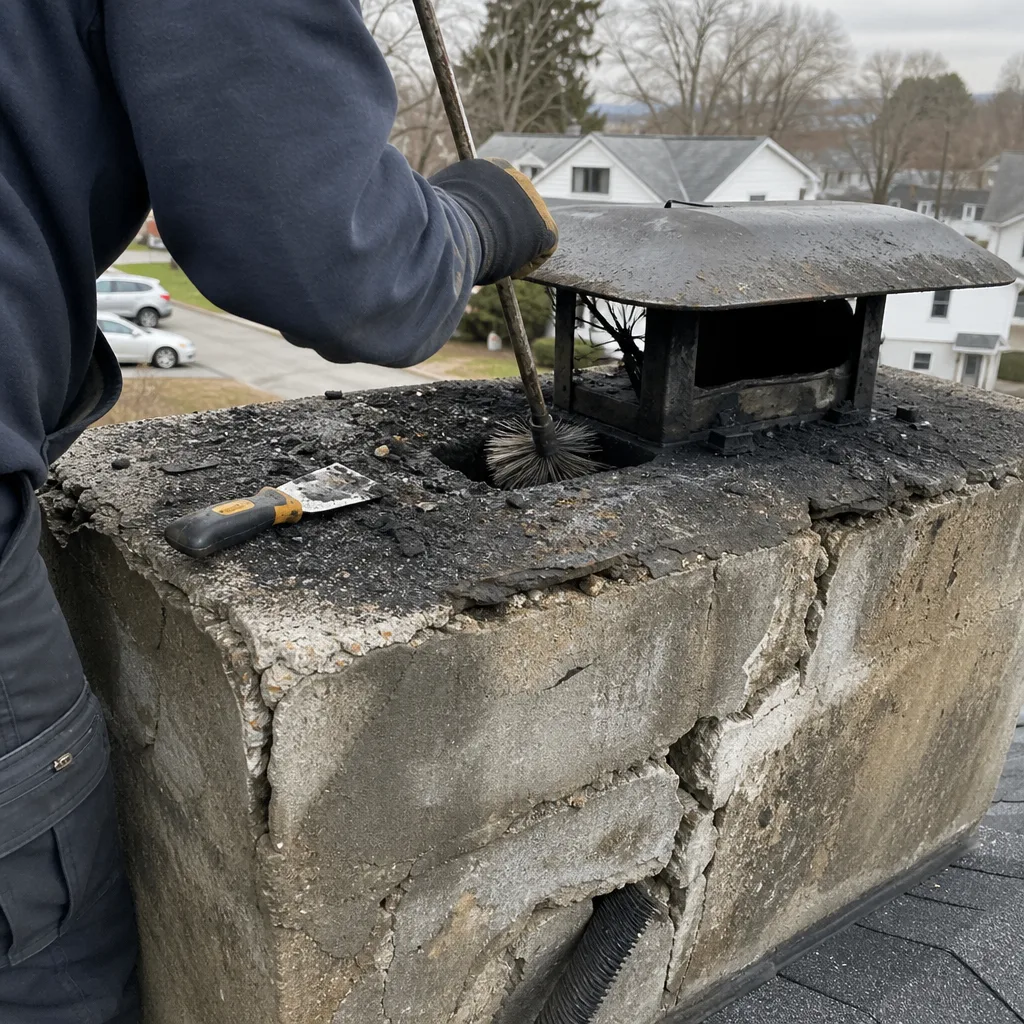 Before
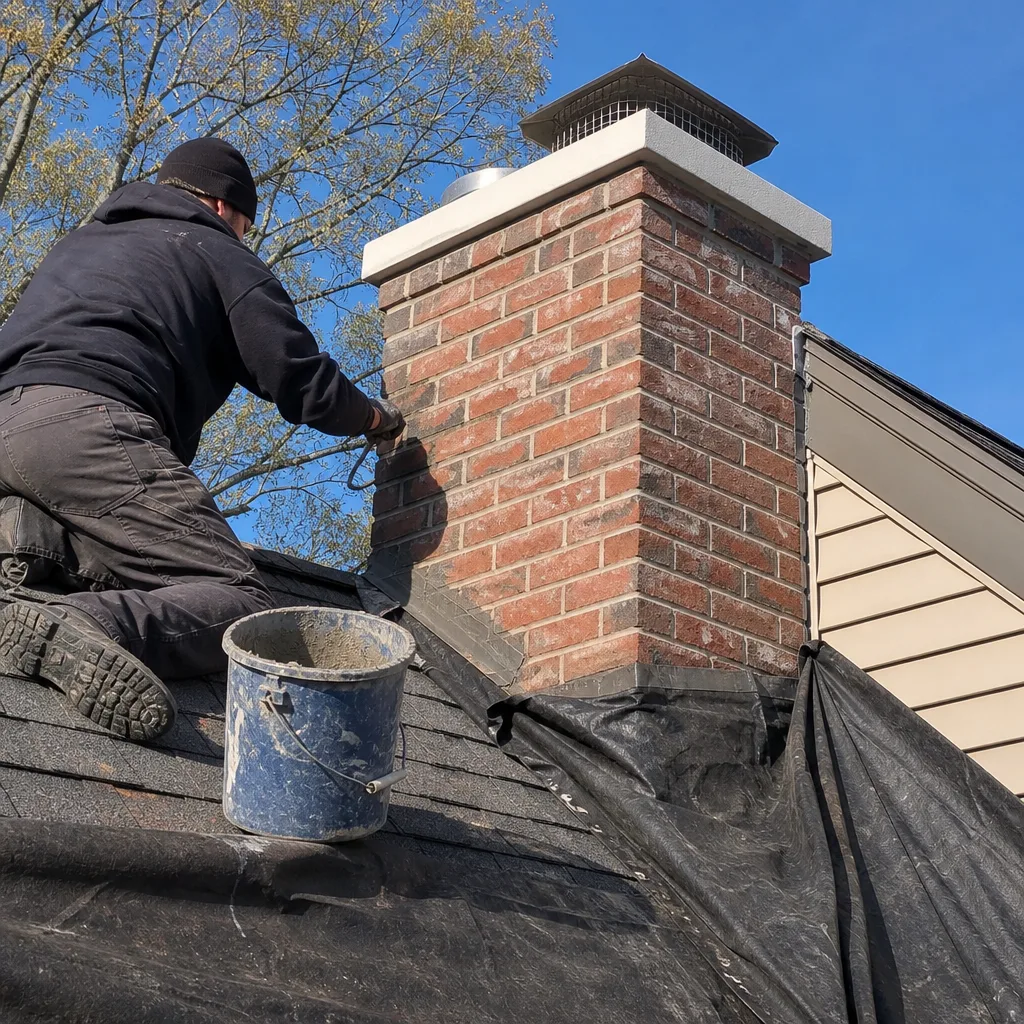 After
AfterSoot Removal in Attleboro, MA
Soot removal in Attleboro typically runs $149 to $349, depending on how heavily the flue is coated and whether the firebox needs detail cleaning beyond the standard sweep. Most jobs are finished in a single visit by one of our background-checked, uniformed technicians. If you’d rather get a number over the phone before we arrive, call (508) 545-9737 – a live person picks up every time, any hour of the day.
Soot is the soft, powdery black carbon that settles on flue walls, smoke chamber surfaces, and fireplace interiors every time you burn wood or gas. A thin coat is normal. A thick, oily buildup is a different matter – it traps moisture, corrodes masonry, and creates the conditions that allow creosote to bond more aggressively to the flue liner. Left alone long enough, it also finds its way into the living room through drafting gaps, staining mantels, hearths, and walls in ways that are far harder to fix than the soot itself.
At Hearthstone Chimney Co., soot removal is not a separate upsell we pitch after the fact. It’s part of our Chimney Cleaning & Sweep services done the right way. Our approach is rooted in 42 years of working on Attleboro’s older colonial and cape-style homes, where fireplaces often ran hard through long winters and haven’t had a professional cleaning in years. We document every job with photos you can see and a plain-English verdict on what we found – not a verbal summary you have to take on faith. Everything we do is covered by the 90-Day Done Right Promise, in writing, no arguing.
This page covers soot removal specifically. For the full picture of what a professional chimney cleaning includes, visit our Chimney Cleaning & Sweep in Attleboro page.
When You Need Soot Removal
Soot problems don’t announce themselves dramatically. More often, homeowners in Attleboro notice one of the following and aren’t sure if it’s worth a call. It is.
- Black streaking or staining on the firebox walls or hearth. When soot has built up thick enough to slide down the firebrick during a burn, it’s past the point of a light cleaning. We see this regularly in homes along the older stretches of County Street and North Main Street, where fireplaces have been in use for fifty or sixty years.
- A persistent burnt or smoky smell in the house – even when the fireplace isn’t lit. Soot holds odor long after the last fire. On humid Attleboro summer days, that smell gets pulled back into the living space by air pressure changes, especially in tighter homes where the HVAC pulls air through every gap it can find.
- Dark staining around the fireplace opening or on the mantel. This points to soot escaping the firebox during use, which means the draft isn’t pulling cleanly. The staining on the wall is cosmetic; the draft problem behind it is structural and worth diagnosing.
- You burned a lot of wood last winter and haven’t had a sweep since. A cord of wood or more leaves a meaningful soot deposit. If you heated primarily with the fireplace during any stretch of cold weather – and Attleboro winters can push that – you’re almost certainly past the point where a cleaning is overdue.
- A recent chimney fire, even a small one. After any flue fire, soot and debris get dislodged and redistributed throughout the system. Professional removal and a Level-2 camera inspection are the only way to know what’s actually in there and whether the liner held up. Don’t use the fireplace again until that’s confirmed.
- Gray or black dust appearing on nearby surfaces after lighting a fire. Fine soot particles circulating into the room point to a draft or sealing problem. The soot is already inside; the source needs to be cleaned and the system needs to be checked.
Our Soot Removal Process
We work in a fixed sequence for a reason. Each step builds on the last, and skipping one typically means missing something that matters.
- Setup and protection. Before anything opens up, we lay drop cloths across the hearth and surrounding floor and seal the firebox opening with a dust barrier. Soot is fine and travels. Every homeowner who has watched a careless contractor leave a grey film on the furniture knows this. We don’t leave that behind.
- Visual inspection and photo documentation. We start from the firebox and work up – checking the damper, smoke shelf, smoke chamber, and as much of the flue as visible inspection allows. If there’s evidence of heavy soot deposits, compromised mortar, or early-stage glazing that suggests creosote is forming, we note it with photos before we disturb anything. That documentation is yours to keep.
- Firebox and smoke chamber cleaning. Using professional-grade brushes and tools – sourced from suppliers like Copperfield, whose equipment is built for long commercial use rather than seasonal residential kits – we work the soot off the firebox walls, smoke shelf, and smoke chamber. The smoke chamber is a critical area that most homeowners have never seen and many contractors skip. It collects more soot per square inch than any other part of the system.
- Flue brush sweep. We run the appropriate brush from top to bottom, matching brush diameter to the liner dimensions. On Attleboro homes with older terra-cotta tile liners, we pay attention to joint condition as we go. Cracked tiles and open joints show up in the debris – and in the camera footage in the next step.
- Level-2 camera inspection. For any job where we’ve found significant soot, signs of moisture intrusion, or a system that hasn’t been serviced recently, we run the camera. The footage shows us what the brushes stirred up – loose mortar, liner cracks, gaps at the top – and gives us a documented condition report. You see the same images we see.
- Cleanup, verdict, and written report. We remove every drop cloth, bag all debris, and leave the hearth the way we found it. Then we give you a plain-English account of what we found: what’s clean, what’s borderline, and what needs attention. If there’s a repair to discuss, we quote it on the spot with upfront pricing. The number on the estimate is the number on the invoice – no add-ons after the fact.
Soot Removal Pricing in Attleboro
How Much Does Chimney Cleaning & Sweep Cost? (2026 Price Guide) - Attleboro, MA: soot removal runs $149 to $349 for most residential jobs. The range is real, not a marketing trick. Here’s what moves the number:
- Standard soot removal with sweep (single fireplace, normal use): $149 – $199. This covers a fireplace used a few times a week through the season with no unusual buildup.
- Heavy soot buildup requiring extended smoke chamber cleaning: $200 – $280. Homes in Attleboro that ran their fireplaces as primary heat sources – something we see in older neighborhoods like Briggs Corner and South Attleboro where gas lines weren’t always an option – often fall here.
- Soot removal with Level-2 camera inspection: $250 – $349. Recommended any time we find evidence of a prior flue fire, significant liner age, or heavy deposit that may have allowed moisture to penetrate the masonry.
- Additional fireplaces or stove inserts: Quoted per unit. Multi-unit properties and homes with two or more working fireplaces get a straightforward per-unit price – no bundling gimmicks.
If you’re a senior homeowner or a veteran, our 5% Senior and Veteran discount applies to all services automatically – just mention it when you call. And if you have a written estimate from another company, our Free Second Opinion offer stands: we’ll review it and tell you honestly whether the scope and price make sense.
Estimates are always free. Call (508) 545-9737 and we’ll give you a realistic range before we ever pull into your driveway.
Why Attleboro Chimneys Accumulate Soot Faster Than You’d Expect
Attleboro sits in a climate band that creates specific chimney problems. Winters are cold enough to push homeowners toward heavy use – sometimes burning five or six nights a week from November through March. But the shoulder seasons, when temperatures drop into the 40s at night and homeowners light “occasional” fires, are where soot builds fastest. Those shorter, lower-temperature burns don’t generate enough flue heat to fully volatilize combustion byproducts, so more of it condenses on the liner walls as soot and early-stage creosote.
The older housing stock is also a factor. A significant share of the homes we work in along Oak Hill Avenue, Peck Street, and the neighborhoods east of Route 1 have fireplaces that predate modern smoke chamber geometry standards. Wide, shallow smoke chambers with flat backs and irregular corbeling collect soot in pockets that a standard sweep can’t reach without deliberate technique. That’s not a flaw in the house – it’s just the way they were built, and it means the cleaning process has to account for it.
The other variable is wood quality. Attleboro homeowners who split their own wood or buy from local cord suppliers sometimes burn wood that isn’t fully seasoned. Green or partially seasoned wood burns cooler and wetter, sending more particulate up the flue and depositing it there. We’re not here to judge the wood pile – but it’s honest to explain why some chimneys need cleaning after one season and others can go two.
What Happens If Soot Is Left Too Long
The short version: soot by itself is a nuisance. Soot that’s been sitting long enough to absorb moisture, combine with combustion acids, and bond to the liner is the beginning of a structural problem.
Creosote forms when soot hardens through repeated heat cycles. First-degree creosote is still powdery and removable with a standard brush. Second-degree is a flaky, tar-like layer that requires different tools. Third-degree is glazed and almost glass-hard – at that point, you’re looking at chemical treatment or liner replacement, not a standard sweep. The jump from manageable soot to third-degree creosote doesn’t take as many seasons as most homeowners assume, particularly in a home that burns frequently and hasn’t had a professional cleaning in three or more years.
There’s also the masonry side. Soot carries sulfuric and carbonic acids that slowly dissolve mortar joints. In Attleboro’s freeze-thaw winters, a mortar joint that’s been weakened by acid and moisture doesn’t last long. Water gets in, freezes, and widens the crack. That’s a repair conversation – and it’s one that’s much cheaper to have early than after a few seasons of neglect.
None of this is meant to alarm. It’s just the plain physics of how a chimney ages, explained the same way we’d explain it standing in your living room.
FAQs – Soot Removal
How often should I have soot removed from my Attleboro fireplace?
An Annual Sweep is the standard recommended by the National Fire Protection Association, and it holds true for most Attleboro homes burning wood regularly. If you burned more than a cord of wood last season, or if you use your fireplace as supplemental heat during cold stretches rather than just occasional ambiance fires, every season is the right answer. Homes that burned very little – fewer than a dozen fires over the winter – may be fine on a two-year schedule, but a visual inspection at the one-year mark costs less than a surprise repair. Call (508) 545-9737 and we can give you an honest assessment based on your actual use pattern.
Is soot dangerous to remove myself?
Soot itself is a mild respiratory irritant, and disturbing a heavy deposit without proper containment will push fine particles into the room. More practically, a DIY removal without a camera inspection means you’re cleaning the parts you can see and leaving whatever is in the flue liner, smoke chamber, and smoke shelf to chance. The cleaning is manageable for a homeowner willing to work carefully. The inspection is not – and the inspection is where the actual safety information lives. We’d rather come out, do it correctly, and tell you what’s actually in there. Estimates are free.
Can soot staining on the firebox walls or hearth be cleaned off?
Yes, in most cases. Fresh soot staining on firebrick responds well to professional-grade masonry cleaners – the kind in Copperfield’s product line that we’ve used for years. Old, set-in staining on brick that’s been unfinished and unsealed for decades may lighten substantially but not disappear entirely, depending on how deep the carbon has penetrated. We’ll give you an honest read on what’s achievable before we start, not after. Call (508) 545-9737 for a free estimate.
Does soot removal include a chimney inspection?
Our standard soot removal always includes a visual inspection of the accessible parts of the system – firebox, damper, smoke shelf, and as much of the flue as a flashlight and trained eye can reach from below. For anything beyond that, including the full flue liner and crown, we use our Level-2 camera, which we recommend any time the soot buildup suggests the system has been working hard or hasn’t been serviced in several years. The camera inspection is documented with photos you can see and a plain-English report on what we found. We don’t charge for what we didn’t do, and we don’t skip what matters.
The Hearthstone Standard on Every Job
Hearthstone Chimney Co. has been working on Attleboro homes since 1984. That’s not a line we use to fill space – it’s the reason we have a strong reputation in communities like Dodgeville and the Hebronville area, neighborhoods where word travels and a contractor’s record follows them. Russell Haines built this company on the idea that a job done right the first time is the only kind worth doing, and every technician we send to your door has been background-checked, uniformed, and trained to that standard.
The 90-Day Done Right Promise means exactly what it says: if we cleaned your chimney or removed your soot and something wasn’t done correctly, we come back and make it right. In writing. No paperwork maze, no arguing about who’s responsible. That’s the K.E.Y.S. commitment – Krafted right, Every time, Your home first, Standing behind it – applied to every job, including the ones that look routine.
For the broader context of what our chimney cleaning service includes, our home page has a full overview of how we work and what to expect.
If your fireplace has been sitting since last winter without a cleaning, or if you’ve noticed any of the signs described above, the right move is a call. Not a form, not a chat widget – a call, answered by a real person who can give you a straight answer about what your chimney probably needs and what it’s likely to cost.
Call (508) 545-9737 to schedule Chimney Cleaning & Sweep Near Me in Attleboro, MA. Estimates are free, upfront pricing means no surprises on the bill, and most jobs are done in a single visit.
Written by Russell Haines, Owner at Hearthstone Chimney Co., serving Attleboro since 1984.