
Last updated September 10, 2026
Level 1 sweep and inspection to the NFPA 211 annual standard - flue, crown, cap, and flashing checked and photographed
Chimney sweep logs do not sweep chimneys. They loosen some creosote - which then falls where a brush and vacuum still have to collect it.
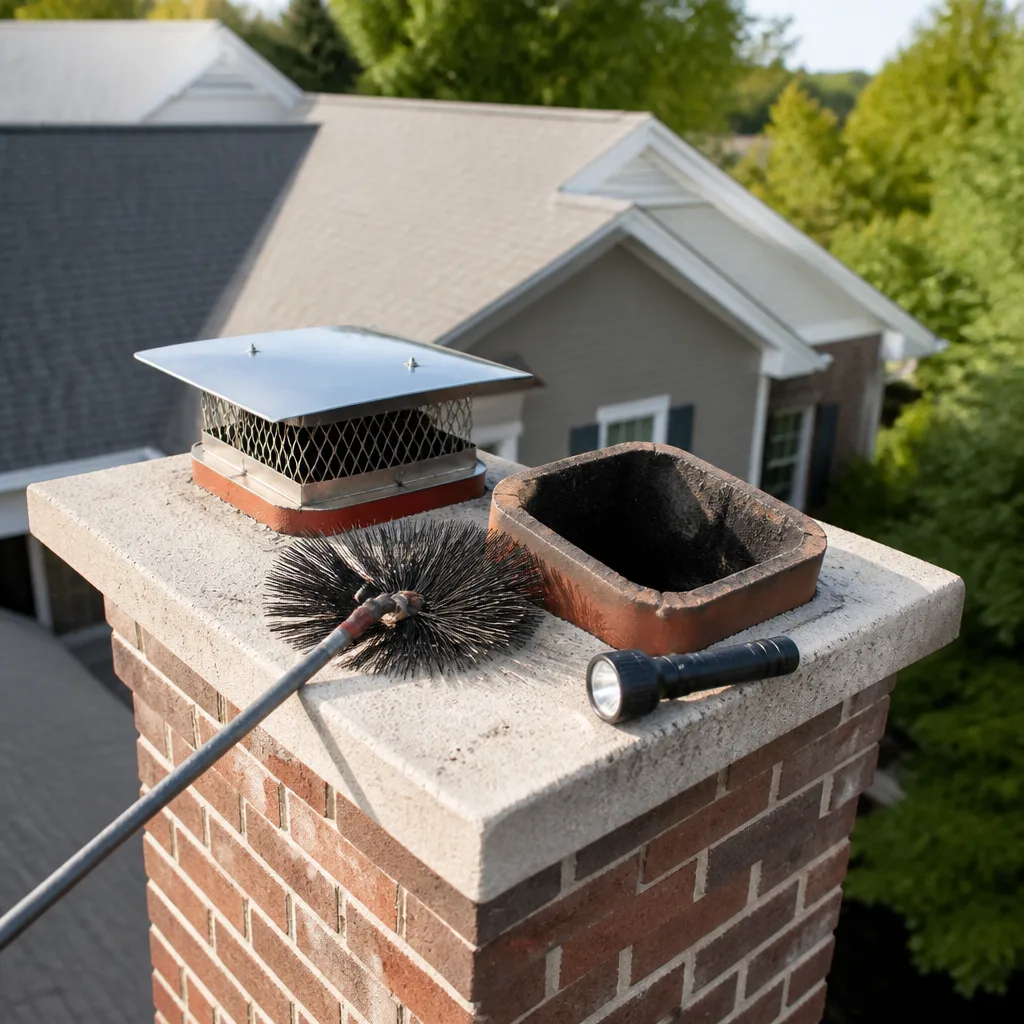
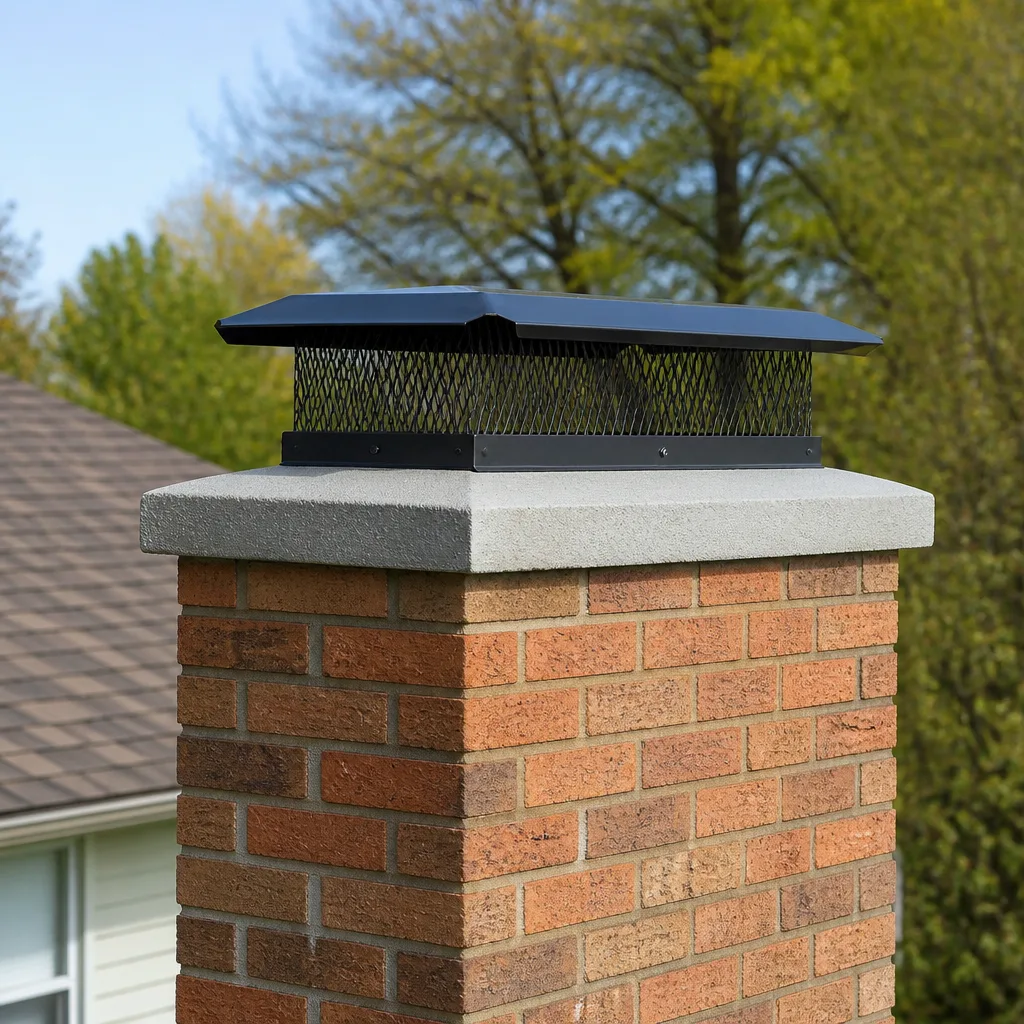
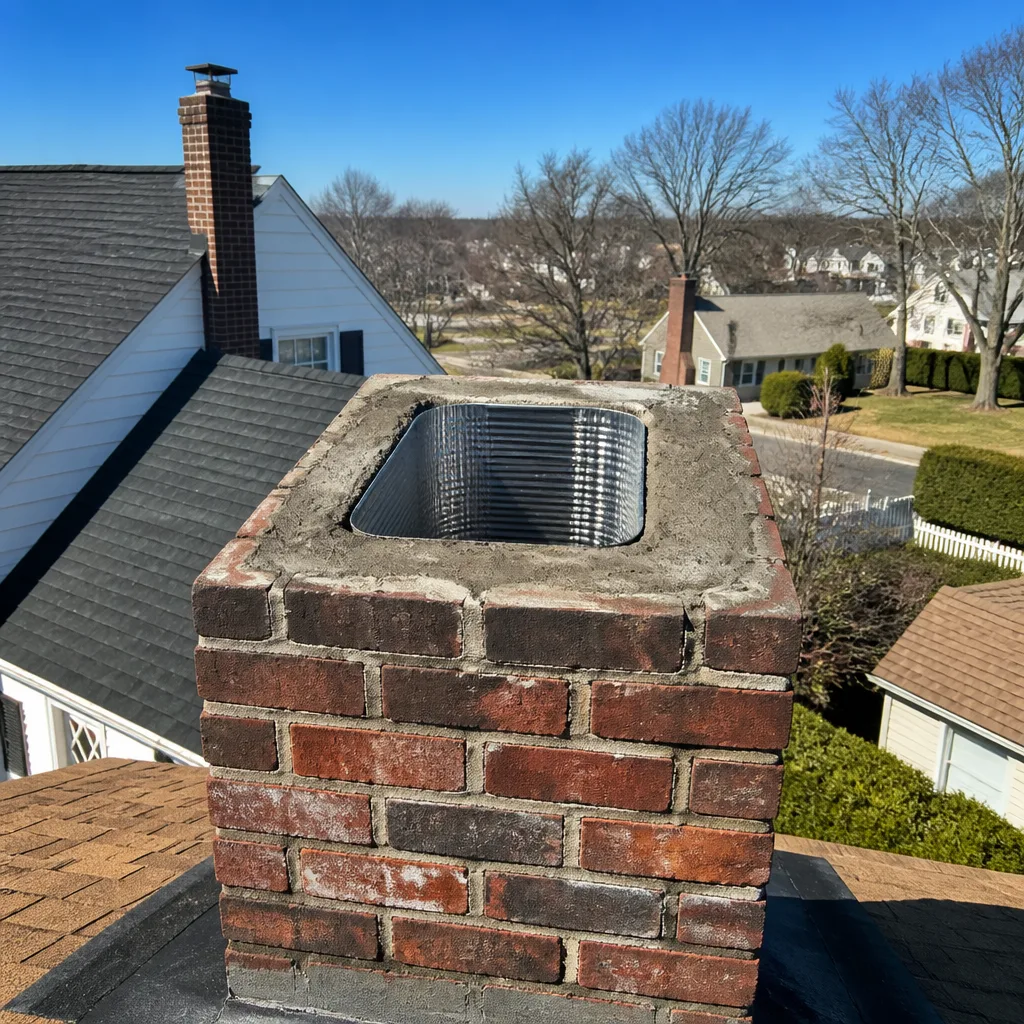
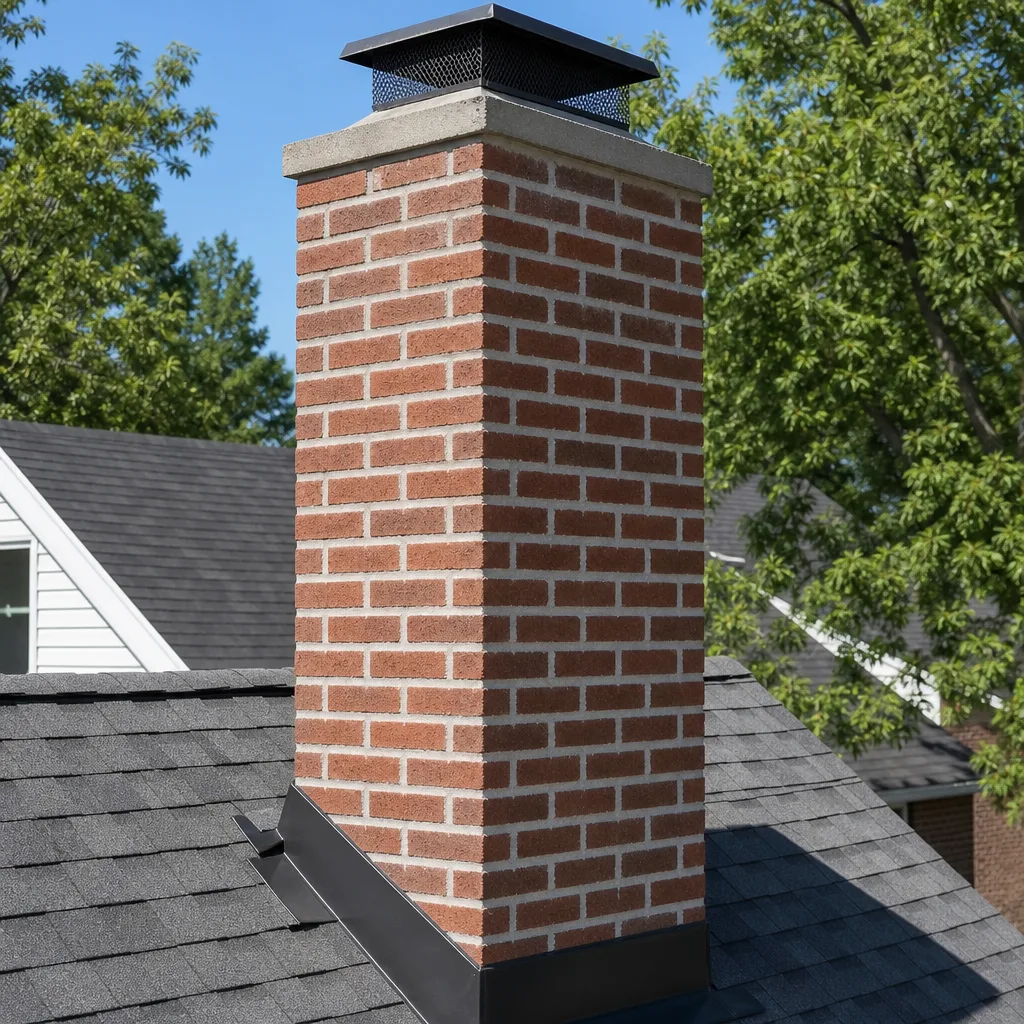
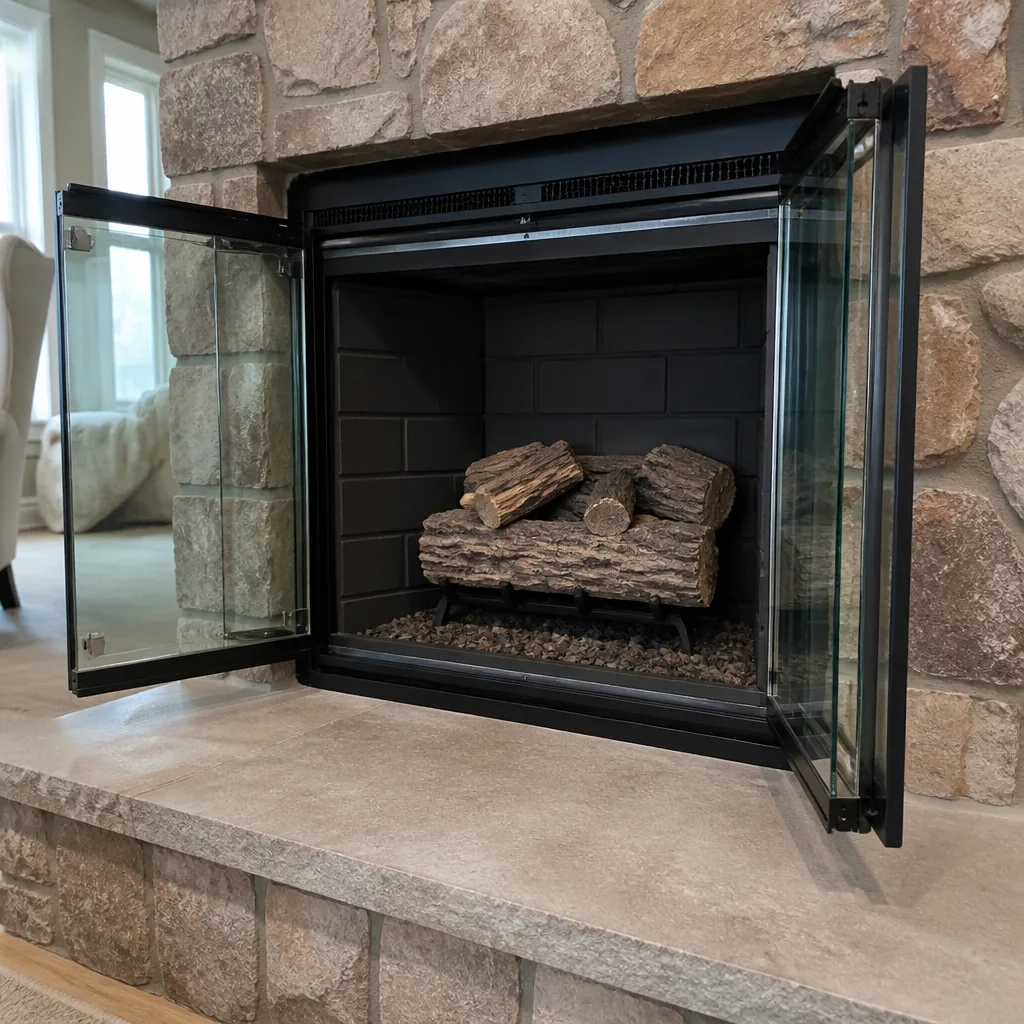
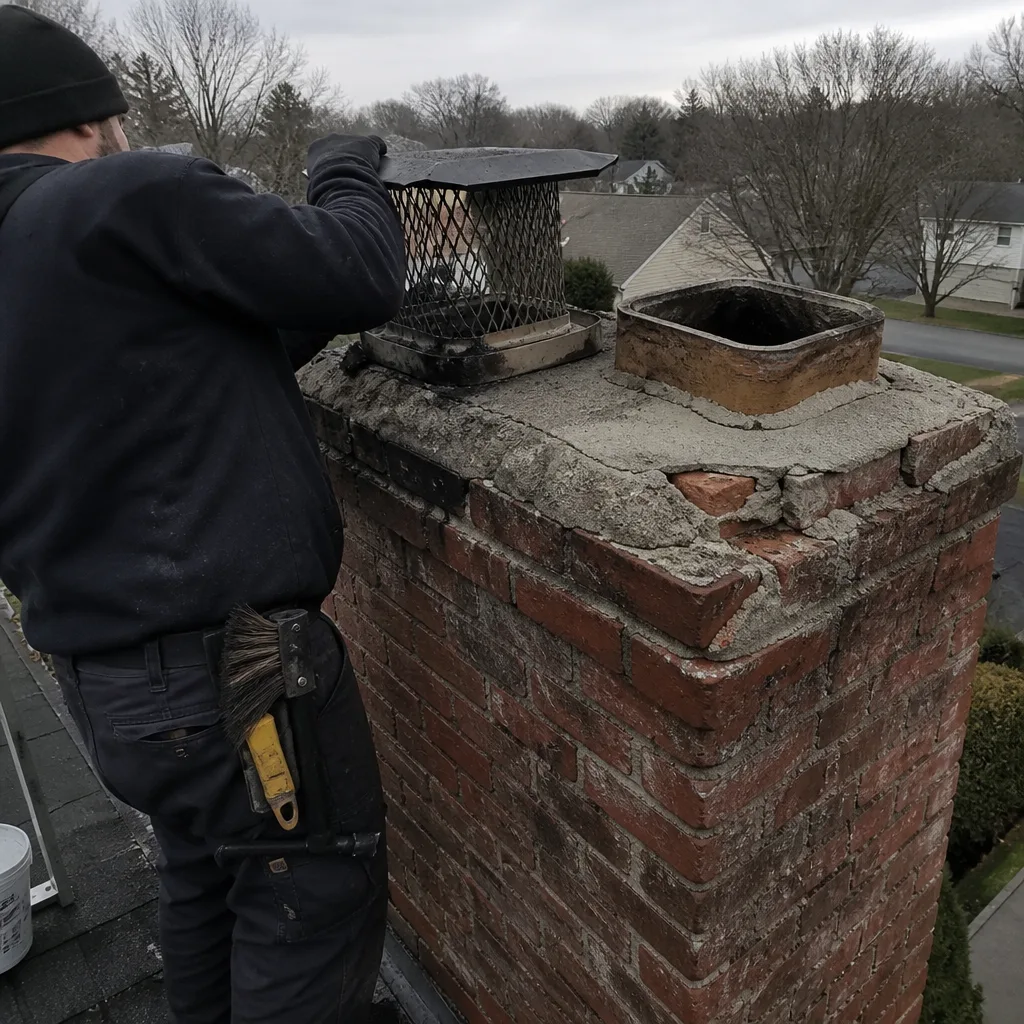 Before
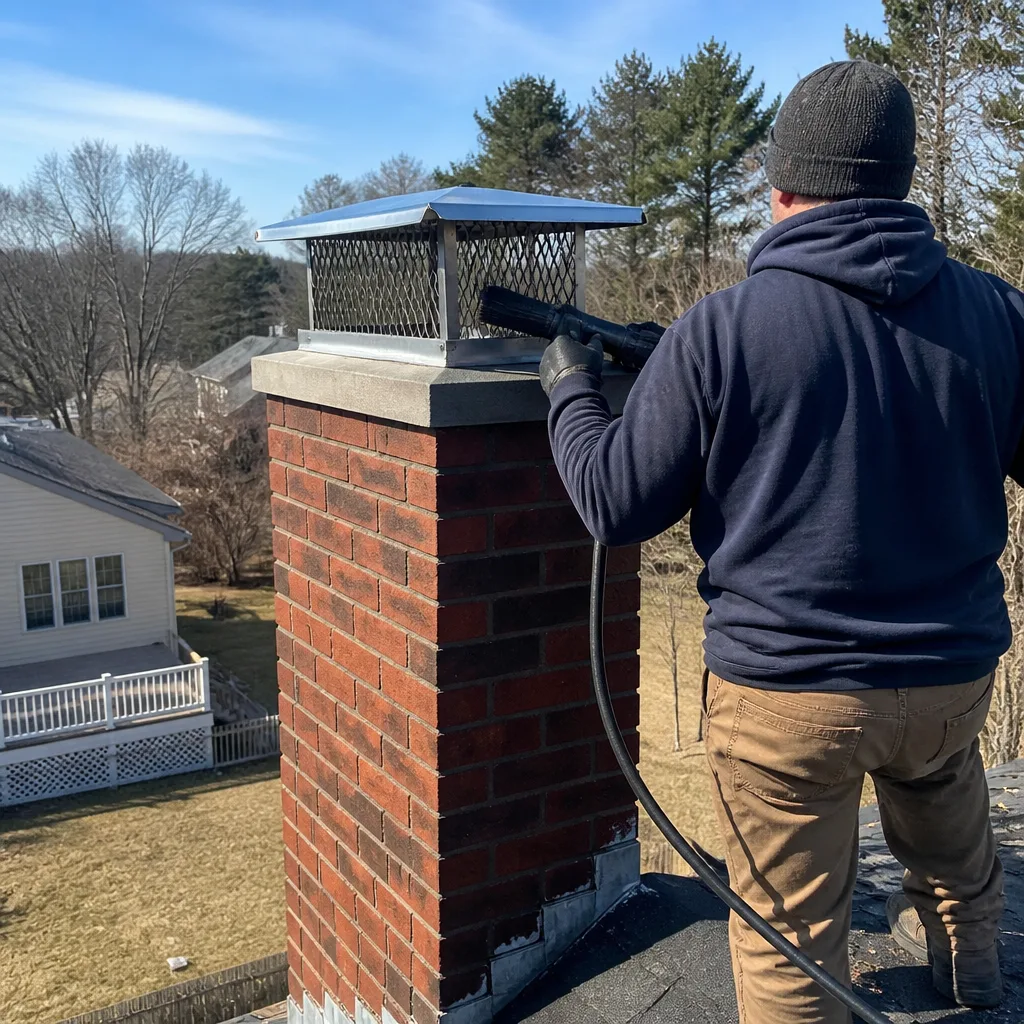 After
After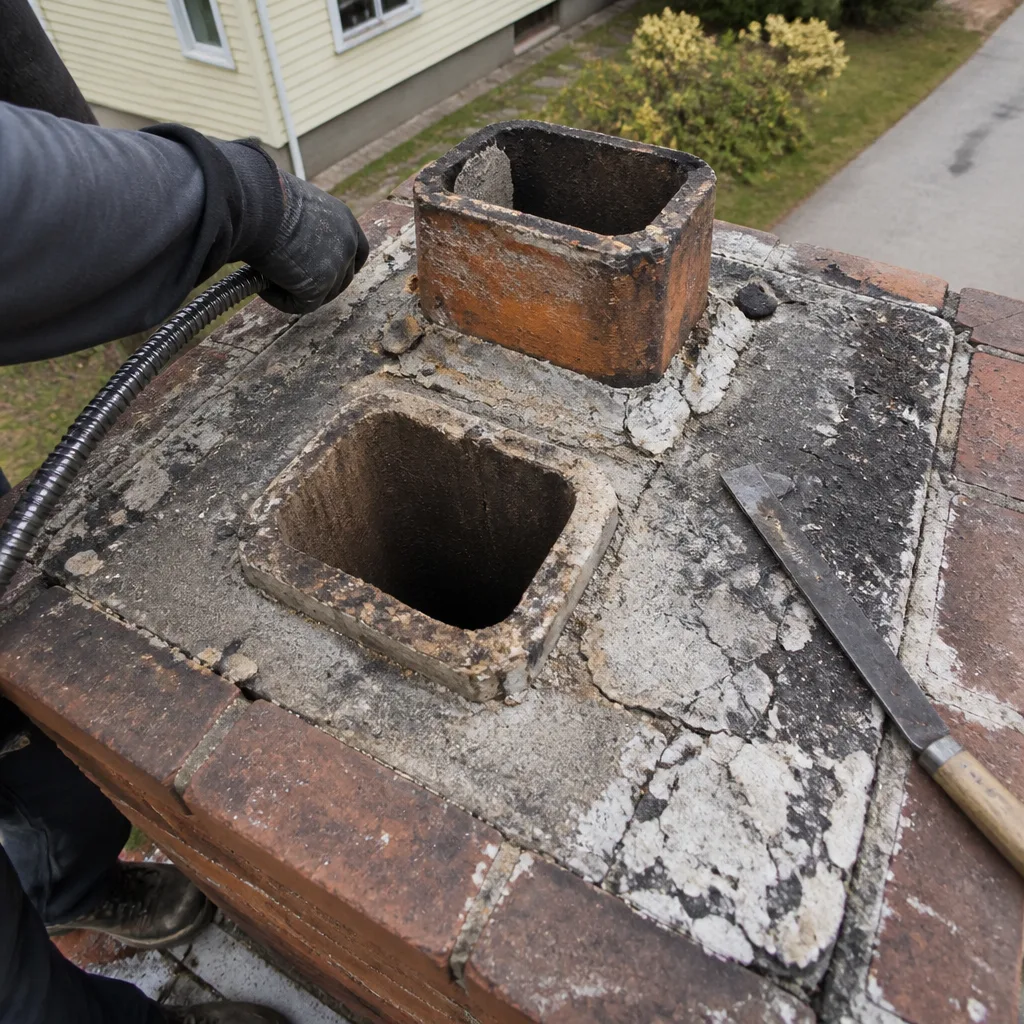 Before
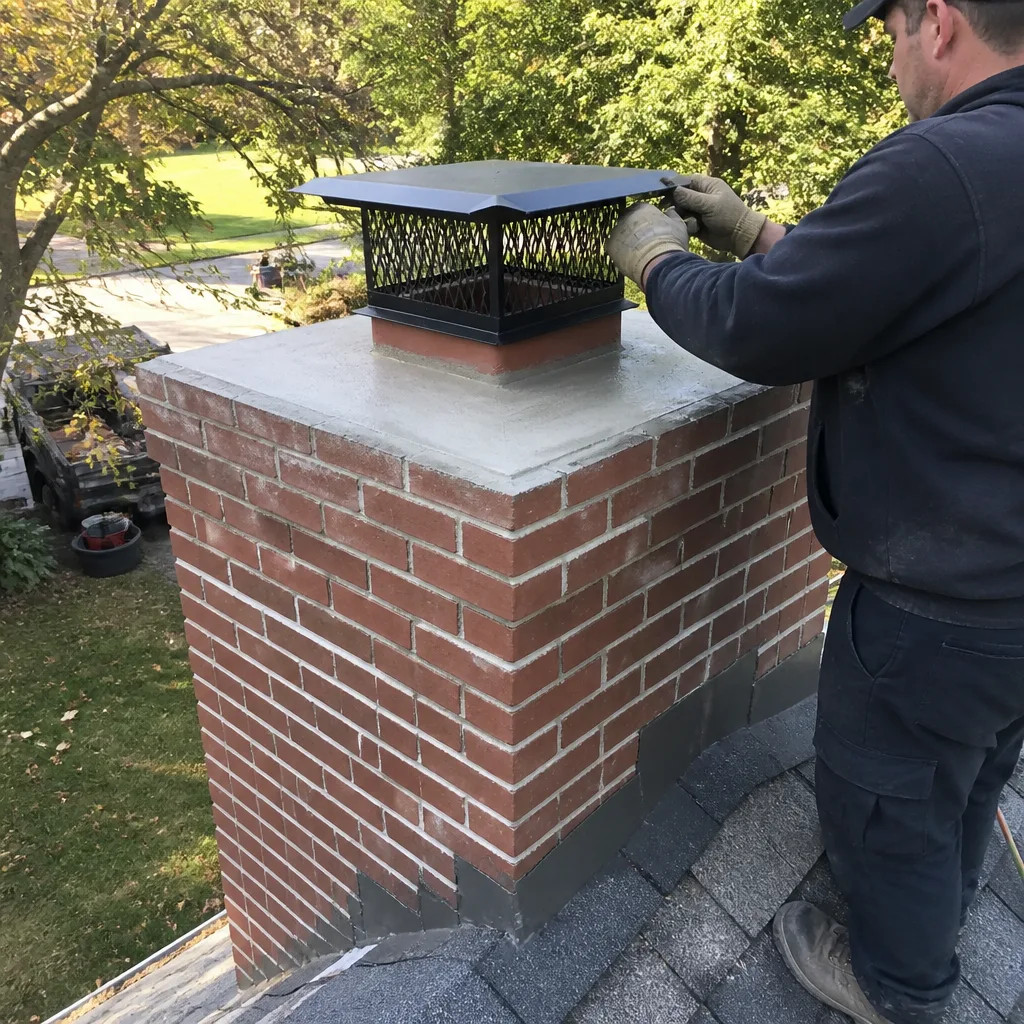 After
After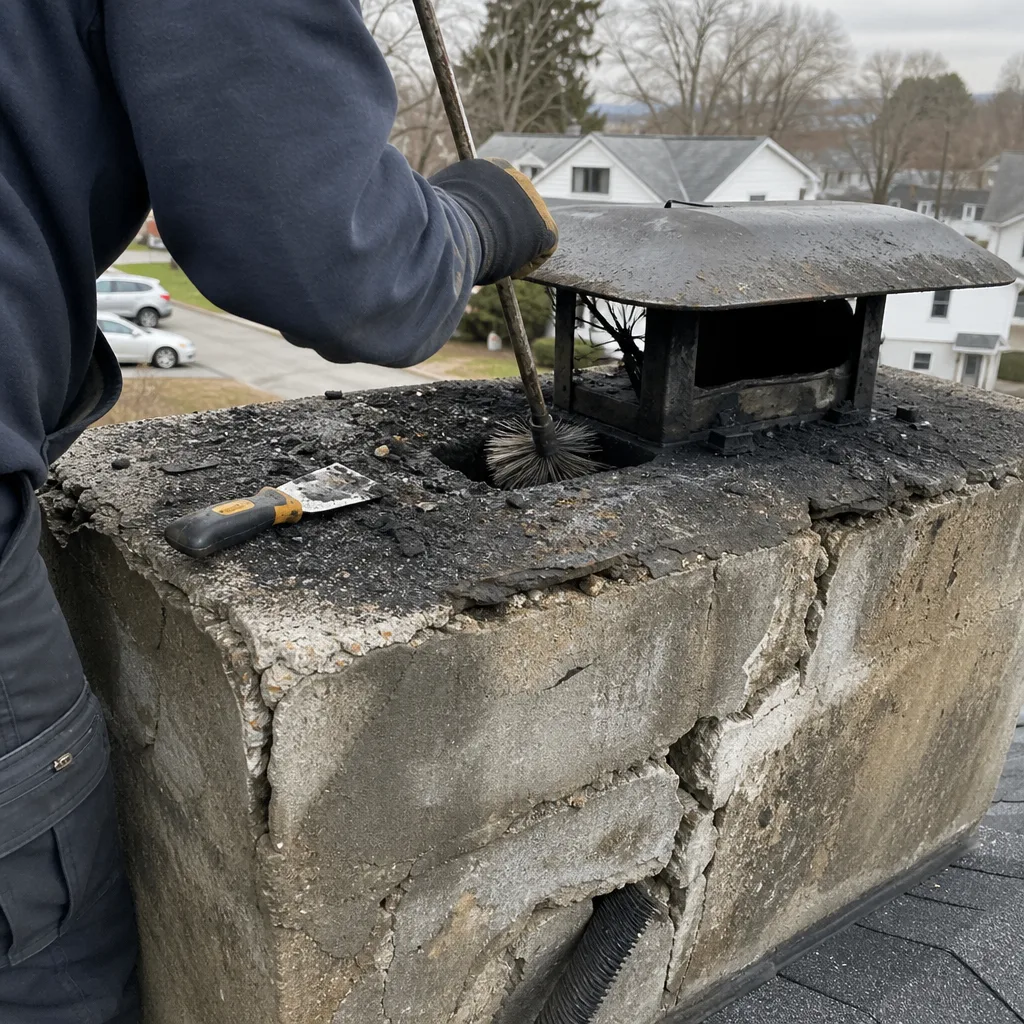 Before
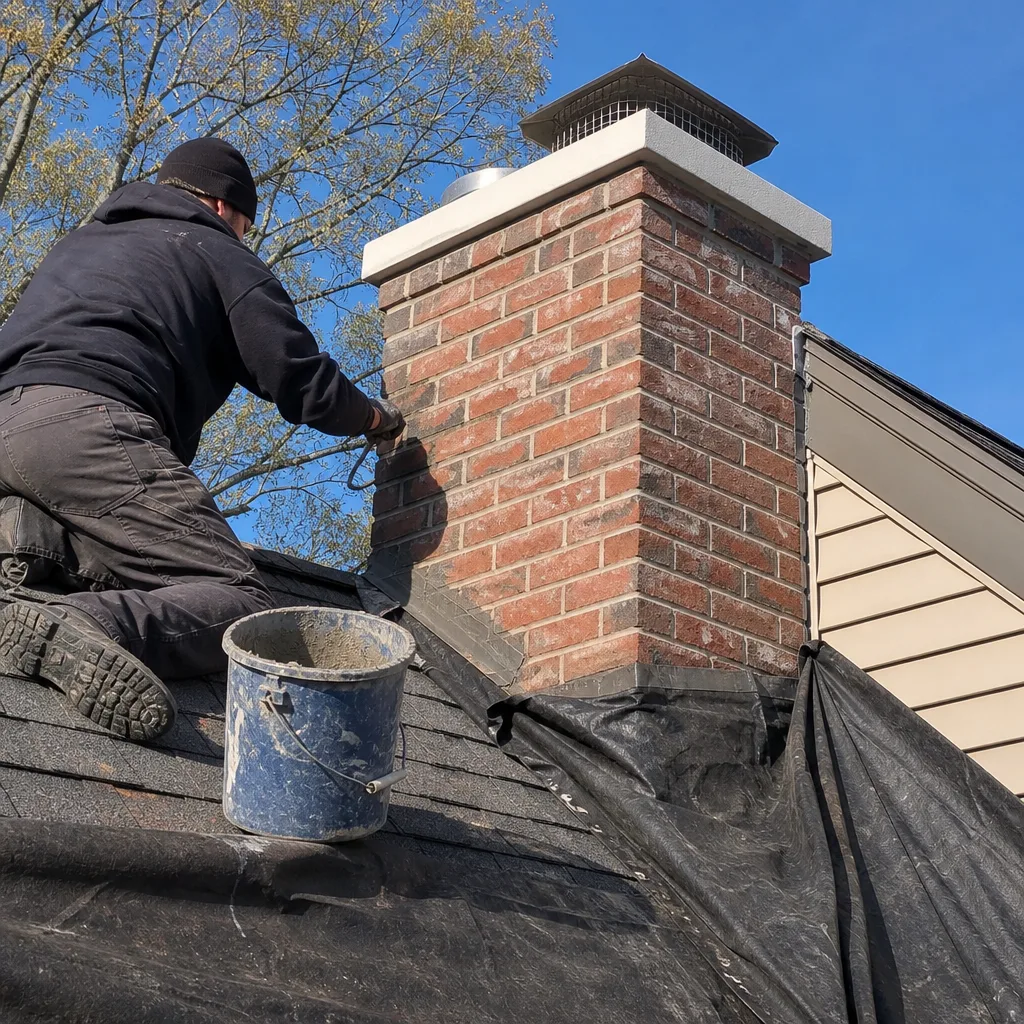 After
AfterChimney Cleaning & Sweep Maintenance Checklist for Attleboro Homeowners
Most chimney maintenance checklists online were written for a generic American home. They don’t mention that wood-burning fireplaces in New England need a different inspection timeline than gas inserts, or that a single winter with more than 40 freeze-thaw cycles - common in Attleboro - can do what three mild winters cannot. In our 42 years serving this area, we’ve found that homeowners who follow a fuel-specific checklist, timed to our local weather patterns, avoid the emergency repairs that cost three times what preventive maintenance does. This guide gives you that checklist, plus the homeowner checks that belong between professional visits. For more detail, see our Complete Guide to Chimney Cleaning in Attleboro.
Quick Answer
A proper chimney maintenance checklist for Attleboro separates tasks by fuel type and season. Wood-burning systems need Chimney Cleaning & Sweep services with a Level-2 inspection every September before burning season and a post-winter integrity check in April. Gas inserts, oil flues, and pellet stoves each follow different schedules. Between visits, homeowners should check damper movement, monitor for odors on humid days, and inspect visible mortar at the roofline for gaps caused by freeze-thaw damage.
Table of Contents
- Why Attleboro Chimneys Need a Different Checklist
- Wood-Burning Fireplace Maintenance Checklist
- Gas Insert Maintenance Checklist
- Oil Furnace Flue Maintenance Checklist
- Pellet Stove Maintenance Checklist
- Homeowner Checks Between Professional Visits
- What Your Sweep’s Written Report Should Include
- Insurance Documentation and Coverage Voids
Why Attleboro Chimneys Need a Different Checklist
Attleboro sits at the edge of Bristol County where the coastal influence meets inland cold snaps. That geography creates a specific problem: temperatures swing above and below freezing repeatedly from November through March. The National Weather Service data for our area shows 40 to 60 freeze-thaw cycles in a typical winter, and some years exceed 80. Each cycle forces moisture trapped in brick and mortar to expand and contract. Over time, this opens hairline cracks into structural gaps.
We’ve swept chimneys in Attleboro neighborhoods from Hebronville to South Attleboro, and the pattern is consistent. A chimney that looks sound in October can show spalling brick and deteriorated crown joints by April. The chimney repair in Attleboro calls we field every spring follow this exact timeline. Homeowners who skipped the post-winter check because “it looked fine in fall” are the ones facing $2,000-plus rebuilds instead of $300 crown repairs.
Our freeze-thaw cycles also affect how creosote builds up. The temperature swings create stronger draft pressure differentials than steadier cold climates. That variable draft can lead to incomplete combustion in wood-burning systems, which deposits more creosote per cord of wood than the same appliance would produce in Minnesota or Maine. A generic “annual cleaning” recommendation doesn’t capture this accelerated accumulation.
Finally, Attleboro’s housing stock matters. Many homes here were built between 1880 and 1950, with chimneys constructed for coal or early oil systems and later adapted for modern appliances. Those adaptations - often unlined flues or mismatched liner sizes - create hidden hazards that a fuel-specific checklist reveals. The chimney cleaning and sweep in Attleboro work we do starts with understanding which fuel your system was originally built for, versus what burns in it now.
Wood-Burning Fireplace Maintenance Checklist
Wood-burning systems demand the most active maintenance of any fuel type. The combination of high combustion temperatures, creosote production, and the physical stress of loading firewood creates wear patterns that accelerate in our climate.
September: Pre-Heating-Season Professional Service
- Schedule a Level-2 camera inspection. This goes beyond a visual sweep. A camera run the full length of the flue documents liner condition, joint gaps, and creosote buildup patterns. At Hearthstone Chimney Co., every Level-2 ends with photos you can see and a plain-English verdict. In Attleboro, we pay special attention to liner joints near the roofline where freeze-thaw stress concentrates.
- Complete professional sweeping. The Chimney Safety Institute of America recommends sweeping when creosote reaches 1/8 inch thickness. In our experience with local burning habits, most Attleboro wood-burning fireplaces need this annually; heavy users may need mid-season attention.
- Inspect the firebox and damper assembly. Check for cracked refractory panels, rusted damper frames, and proper damper seating. A damper that doesn’t close fully wastes heat all winter and can allow down-drafts on windy days.
- Verify cap and crown condition. The crown is the concrete slab that seals the chimney top. It should slope away from the flue opening and show no cracks wider than a credit card edge. The cap keeps rain and animals out. Gelco and Olympia Chimney caps are the professional-grade standards we install; they outlast the big-box versions by a decade in our freeze-thaw environment.
- Check exterior masonry from ground and roof level. Look for missing mortar, spalled (flaking) brick faces, and white efflorescence staining that indicates water migration through the masonry.
December through February: Mid-Season Monitoring
- Burn only seasoned hardwood (moisture content below 20 percent). Wet wood increases creosote production by 50 percent or more.
- Monitor for smoke spillage when opening the loading door. This indicates draft problems that worsen in cold weather.
- Check ash accumulation weekly. Excess ash restricts airflow and causes incomplete combustion.
- Listen for unusual sounds: popping, whistling, or rumbling that might indicate blocked flues or liner failure.
April: Post-Winter Integrity Check
This is the inspection most homeowners skip, and it’s the one that saves the most money. After the final fire, schedule a visual assessment of:
- Crown condition - winter ice expansion often cracks crowns that were intact in fall
- Exterior mortar joints - count new gaps compared to your September baseline photos
- Interior firebox - look for new cracks in refractory panels from thermal cycling
- Smoke chamber and damper - rust from condensation during shoulder-season humidity
In Attleboro’s older neighborhoods like Pleasant Street and County Street, we’ve found that chimneys with original unlined flues often show accelerated deterioration in years with heavy freeze-thaw cycling. The post-winter check catches this before autumn demand books up sweep schedules.
Gas Insert Maintenance Checklist
Gas inserts burn cleaner than wood, but “cleaner” does not mean “maintenance-free.” The byproducts are different - water vapor, carbon monoxide risk, and corrosive condensation - and the inspection priorities shift accordingly.
Annual Service (September Recommended)
- Inspect the venting system. Gas inserts use either a direct-vent system through the wall or a liner up the existing chimney. Check for corrosion at vent terminations, which Attleboro’s coastal humidity accelerates. Famco venting components resist this corrosion better than standard builder-grade materials.
- Clean and inspect the burner assembly. Dust and pet hair accumulate on burners and affect flame pattern. Improper flame pattern creates carbon monoxide and soots glass surfaces.
- Check glass door gasket and latch. A failed gasket allows room air into the combustion chamber, which alters the fuel-air mixture and can produce CO.
- Test safety systems. Verify that the oxygen depletion sensor functions and that the pilot safety shutoff responds properly.
- Camera inspection of the chimney flue. Even gas-only flues need inspection. Condensation from high-efficiency units corrodes liners, and abandoned oil or wood flues in multi-flue chimneys can deteriorate and affect adjacent gas vents.
Homeowner Responsibilities Between Service Visits
- Keep the glass clean with approved cleaner - never abrasive pads that scratch ceramic glass
- Ensure vent termination remains clear of snow, leaves, and vegetation
- Monitor for unusual odors, especially on humid days when negative pressure draws chimney air into the house
- Test the remote or wall switch monthly during heating season
Gas insert owners in Attleboro’s newer developments like the Highland Avenue area often assume their system needs less attention because it “looks clean.” We’ve found liner corrosion in 7-year-old gas installations that went uninspected. The water vapor produced by efficient gas combustion is acidic. Without annual inspection, that acidity eats stainless liners from the inside while the exterior looks unchanged.
Oil Furnace Flue Maintenance Checklist
Oil furnace flues are the most commonly neglected chimney system in Attleboro, largely because the furnace itself gets annual service while the flue that vents it does not. This is a dangerous oversight.
Annual Professional Service (September, Coordinated with Furnace Tune-Up)
- Complete flue sweeping and inspection. Oil soot is corrosive and hygroscopic - it absorbs moisture and accelerates liner deterioration. The buildup also reduces flue diameter, which can cause spillage of combustion gases.
- Camera inspection of the full flue length. Oil flues often run through unlined masonry or terracotta liners that crack from thermal shock. A camera finds cracks that visual inspection cannot.
- Check the cleanout and base connection. The thimble where the furnace connects to the chimney is a common failure point. HeatShield refractory sealant repairs are appropriate here when gaps are small; larger damage requires liner replacement.
- Inspect the chimney exterior for staining. White or brown stains below the crown indicate venting problems or liner failure that allows condensation into the masonry.
- Verify proper draft and combustion air supply. Modern tight homes in Attleboro’s renovation market often lack adequate combustion air, which affects draft and can create dangerous backdrafting.
Critical Warning Signs Between Inspections
- Soot or rust flakes around the cleanout door
- Oil odors near the furnace or in living spaces above
- Increased furnace cycling or difficulty maintaining temperature
- Visible rust streaks on the exterior chimney below the roofline
The oil furnace flues we inspect in Attleboro’s older homes - particularly in the historic districts near downtown - often show decades of deferred maintenance. A flue that was adequate for a 1970s furnace may be dangerously undersized for a modern high-efficiency replacement. The furnace installer doesn’t always check this. We do, and we’ve found installations where the new furnace was venting into a collapsed terracotta liner that the homeowner had no way to see.
Pellet Stove Maintenance Checklist
Pellet stoves occupy a middle ground: more automated than wood, more hands-on than gas. Their maintenance combines combustion system cleaning with venting inspection, and the schedule is more frequent than most owners realize.
Professional Service (September and January for Heavy Users)
- Complete venting system cleaning. Pellet stoves produce fine ash that builds up in the vent pipe, particularly at elbows and terminations. This restricts draft and can cause back-puffing into the room.
- Inspect and clean the combustion blower and exhaust path. Ash accumulation on blower blades reduces airflow and causes overheating.
- Check door and ash pan gaskets. Air leaks here disrupt the precise fuel-air ratio that pellet stoves require for clean combustion.
- Camera inspection of the chimney or vent termination. Pellet vent is typically smaller diameter than wood flues and clogs more easily. In Attleboro, we’ve found bird nests and leaf accumulation in vent terminations that owners assumed were protected by the cap design.
- Verify hopper and auger function. Mechanical failures here are service calls, not chimney issues, but they affect how cleanly the stove burns and thus how much creosote forms in the vent.
Weekly Owner Maintenance During Heating Season
- Empty the ash pan before it reaches half full
- Scrape the burn pot to remove clinker buildup
- Brush ash from heat exchanger tubes per manufacturer instructions
- Inspect the glass for soot buildup that indicates poor combustion
- Check the vent termination outside for ice or snow blockage
Pellet stove owners in Attleboro often bought their units for the renewable fuel appeal and lower heating costs. The tradeoff is attention: a pellet stove that goes two weeks without ash removal burns dirtier, produces more emissions, and creates more vent maintenance than a wood stove that gets annual sweeping. The fireplace services in Attleboro we provide include pellet stove vent cleaning because many HVAC technicians won’t touch the chimney side of these installations.
Homeowner Checks Between Professional Visits
Professional service is essential, but the condition of your chimney changes between visits. These checks take ten minutes and require no special tools. Do them monthly during heating season and after any severe weather.
Interior Checks
- Damper movement test. Open and close the damper fully. It should move smoothly without grinding or catching. A damper that sticks may have rust, creosote buildup, or a warped frame. Don’t force it - a broken damper is expensive to replace and dangerous to operate.
- Odor monitoring on humid days. A musty or smoky smell when the humidity rises indicates creosote accumulation, water intrusion, or negative pressure drawing chimney air into the house. Note when it happens and what the weather was doing. This information helps us diagnose faster.
- Visual firebox inspection with flashlight. Look for new cracks in refractory panels, rust stains that indicate water entry, and shifting or settled firebrick. Take a photo monthly to compare over time.
- Listen for animal activity. Scratching, chirping, or fluttering in the chimney, especially in morning or evening, suggests a nest or trapped animal. Don’t light a fire to “smoke it out” - call for removal and cap installation.
Exterior Checks (Ground Level and Binoculars)
- Roofline mortar inspection. Stand at the street and look at the chimney where it passes through the roof. Check for missing mortar, gaps between the chimney and flashing, and any lean or separation from the house. In Attleboro, we’ve seen chimneys tilt measurably in a single severe winter when freeze-thaw undermined the foundation.
- Crown and cap condition. The crown should shed water, not pool it. The cap should sit level and show no rust holes or missing mesh.
- Flashing and counter-flashing. These metal joints where the chimney penetrates the roof are common leak points. Look for lifted edges, missing sealant, or rust streaks on the roofing below.
- Downspout and grade drainage. Water that pools at the chimney base saturates the foundation and accelerates freeze-thaw damage. Make sure downspouts direct water away and the grade slopes outward.
In neighborhoods like Briggs Corner and West Attleboro where mature trees overhang roofs, we also recommend checking for leaf accumulation at the cap after fall shedding and after any wind storm. A cap clogged with leaves functions like no cap at all.
What Your Sweep’s Written Report Should Include
A verbal “looks good” from a sweep is not documentation. For insurance purposes, warranty claims, and your own year-over-year comparison, you need a written report with specific elements. Here’s what to demand, and what we provide with every Hearthstone Chimney Co. inspection.
Required Documentation
- Date and weather conditions. Inspection findings vary with temperature and humidity; context matters for comparison.
- Appliance and fuel type. Precise identification of what was inspected, including make and model if visible.
- Flue dimensions and liner material. Critical for determining whether the venting is properly sized for the appliance.
- Photographic evidence. Date-stamped images of liner condition, crown, firebox, and any defects found. These are your baseline for future comparison.
- Creosote or deposit measurements. Specific thickness readings, not vague terms like “moderate buildup.”
- Clear condition ratings. Each component should be rated: satisfactory, monitor, or repair/replace needed - with explanation.
- Recommended actions with priority levels. Distinguish between safety-critical repairs and improvements that can wait.
- Estimated remaining service life. For liners, crowns, and masonry, a professional opinion on how many seasons remain before replacement.
The reports we issue in Attleboro include all of this plus a plain-English summary paragraph. We’ve found that homeowners who keep three to five years of these reports can spot deterioration trends that single inspections miss. A liner that shows progressive joint separation over multiple years needs replacement; the same liner judged on one inspection might rate only “monitor.”
We also note manufacturer brands when repairs use professional-grade materials. A HeatShield crown repair or Olympia Chimney liner installation carries warranty documentation that generic materials do not. Your report should reference this for future warranty claims.
Insurance Documentation and Coverage Voids
This section addresses the question homeowners rarely ask until it’s too late: what maintenance does my insurance actually require, and what voids coverage if skipped?
Standard homeowner’s policies in Massachusetts typically cover sudden chimney damage from events like lightning strikes or falling trees. They do not cover damage from maintenance neglect. The distinction matters when an insurer investigates a chimney fire or CO incident claim.
Maintenance Items That Affect Coverage
- Annual professional inspection documentation. Many policies require proof of annual chimney inspection for wood-burning systems. Without dated, professional documentation, a chimney fire claim may be denied as “gradual deterioration” or “lack of maintenance.”
- Installation permits and code compliance. Unpermitted wood stove or insert installations, common in Attleboro’s older housing stock, can void coverage entirely. We check permit history and advise when documentation is missing.
- Liner installation records. If a liner was installed as a repair requirement, the policy may require proof of professional installation with appropriate materials. DIY liner kits that fail can leave you uninsured.
- Post-incident inspection timing. After any chimney fire, most policies require inspection by a certified sweep before the system returns to service. Using the chimney without this inspection can void subsequent claims.
Specific Attleboro Considerations
Attleboro’s building department follows the Massachusetts State Building Code with local amendments. Wood-burning installations require permits and inspections. We’ve encountered situations where a previous owner installed a wood stove without permit, and the current owner discovers this only after an insurance claim is questioned. Our Level-2 inspections include assessment of whether the installation appears original or modified, and we advise when permit research is warranted.
The 90-Day Done Right Promise from Hearthstone Chimney Co. includes documentation support for insurance claims related to our work. In writing, no arguing - if our repair requires insurance coordination, we provide the technical documentation your adjuster needs.
Common Mistakes to Avoid
- Treating all fuel types the same. A gas insert and a wood fireplace need completely different inspection priorities. Using a generic checklist misses the specific failure modes of your system.
- Skipping the April inspection. In Attleboro, winter damage reveals itself in spring. Waiting until September to discover crown failure or liner damage means competing for appointment slots during peak season and possibly delaying your first fire.
- Assuming a clean firebox means a clean flue. Creosote accumulates at the top of the flue where temperatures are lowest and where you cannot see it without a camera. The firebox can look spotless while the flue is hazardous.
- Using the wrong firewood. Burning pine, construction scraps, or unseasoned wood in Attleboro’s variable draft conditions creates glazed creosote that standard sweeping cannot remove. This requires chemical treatment and increases fire risk.
- Ignoring humid-day odors. That musty smell is not “just the chimney.” It indicates creosote saturation, water intrusion, or pressure imbalance - all problems that worsen with time and use.
- Hiring based on lowest price without verifying credentials. Massachusetts does not license chimney sweeps specifically. Verify CSIA certification, insurance, and local references. The cheapest sweep who damages your liner or misses a crack costs far more than the professional who documents everything.
- Failing to keep inspection records. Insurance claims, home sales, and warranty disputes all require documentation. A verbal assurance from three years ago helps no one.
When to Call a Professional
Some situations require immediate professional attention, not next-season scheduling. Call for service if you observe smoke entering the room during normal operation, hear animal activity in the flue, see visible cracks or spalling in exterior masonry, smell strong odors that persist beyond humid days, or notice rust or water stains in the firebox or cleanout. These symptoms indicate active problems that worsen with use.
Hearthstone Chimney Co. offers free estimates in Attleboro - call (508) 545-9737. A live person answers every call, 24 hours a day, every day. We’ll schedule a Level-2 camera inspection, show you exactly what we find, and give you a plain-English verdict with upfront pricing. No surprises on the bill. If work is needed, most jobs complete in a single visit by background-checked, uniformed technicians. And everything we do is backed by the 90-Day Done Right Promise: in writing, no arguing.
Frequently Asked Questions
A professional chimney sweep and basic Level-1 inspection in Attleboro typically ranges from $200 to $350, depending on accessibility, flue condition, and whether the system is wood-burning, gas, or oil. A Level-2 camera inspection, which we recommend for all systems in homes older than 25 years, adds $100 to $200 but provides the documentation needed for insurance and year-over-year comparison. Call (508) 545-9737 for an exact quote - estimates are free.
Wood-burning fireplaces need annual sweeping before each heating season, and sometimes mid-season for heavy users. Gas inserts and oil furnace flues need annual inspection, with sweeping as indicated by condition. Pellet stoves need vent cleaning twice per season for heavy use. Attleboro’s freeze-thaw climate and variable drafts make the annual inspection non-negotiable regardless of fuel type - damage progresses faster here than in milder regions.
It depends on the damage type and location. Small gaps at the top of a terracotta liner can sometimes be sealed with HeatShield refractory sealant. Cracked or shifted flue tiles, or corrosion in metal liners, typically require replacement. We make this determination with camera evidence you can see, not a sales pitch. If the liner is repairable, we’ll say so. If it needs replacement, we’ll explain why and show you the failure. Nothing is recommended without photo documentation.
Skipped maintenance leads to three predictable outcomes: creosote accumulation increases chimney fire risk; moisture intrusion destroys masonry from the inside; and undetected liner damage allows carbon monoxide or combustion gases into living spaces. In Attleboro, we’ve responded to chimney fires in homes that hadn’t been swept in five years, and we’ve rebuilt chimneys where deferred crown repair turned into $8,000 structural damage. The maintenance cost is always lower than the repair cost, and far lower than the cost of a fire or injury.
Homeowners can remove ash and clean glass, but flue sweeping and structural inspection require professional equipment and training. Rotary sweeping systems that properly clean modern flue liners are not available for consumer purchase. More importantly, a homeowner cannot safely assess liner condition or identify code violations without camera equipment and the training to interpret what it shows. For the same reason you don’t do your own electrical panel inspection, leave chimney evaluation to certified professionals.
Humid air activates creosote deposits and allows moisture to penetrate masonry cracks. The resulting odors indicate either excessive creosote buildup, water intrusion, or negative air pressure in your home that draws chimney air downward. In Attleboro’s summer humidity, this is common in homes with basements or tightly sealed construction. A professional inspection identifies which cause applies and corrects it - sweeping for creosote, waterproofing for leaks, or ventilation adjustment for pressure imbalance.
The Bottom Line
A chimney maintenance checklist that actually protects your Attleboro home must be fuel-specific, timed to our local freeze-thaw cycle, and documented year over year. Wood-burning systems need September sweeping and April integrity checks. Gas, oil, and pellet systems each have their own schedules and failure modes. Between professional visits, monitor damper function, odors, and visible masonry. Keep written reports with photos for insurance and comparison. And when you hire a sweep, verify credentials, demand documentation, and choose a company that stands behind its work in writing. Done right - and we stand behind it.
Written by Russell Haines, Owner at Hearthstone Chimney Co., serving Attleboro since 2014.