
Last updated September 10, 2026
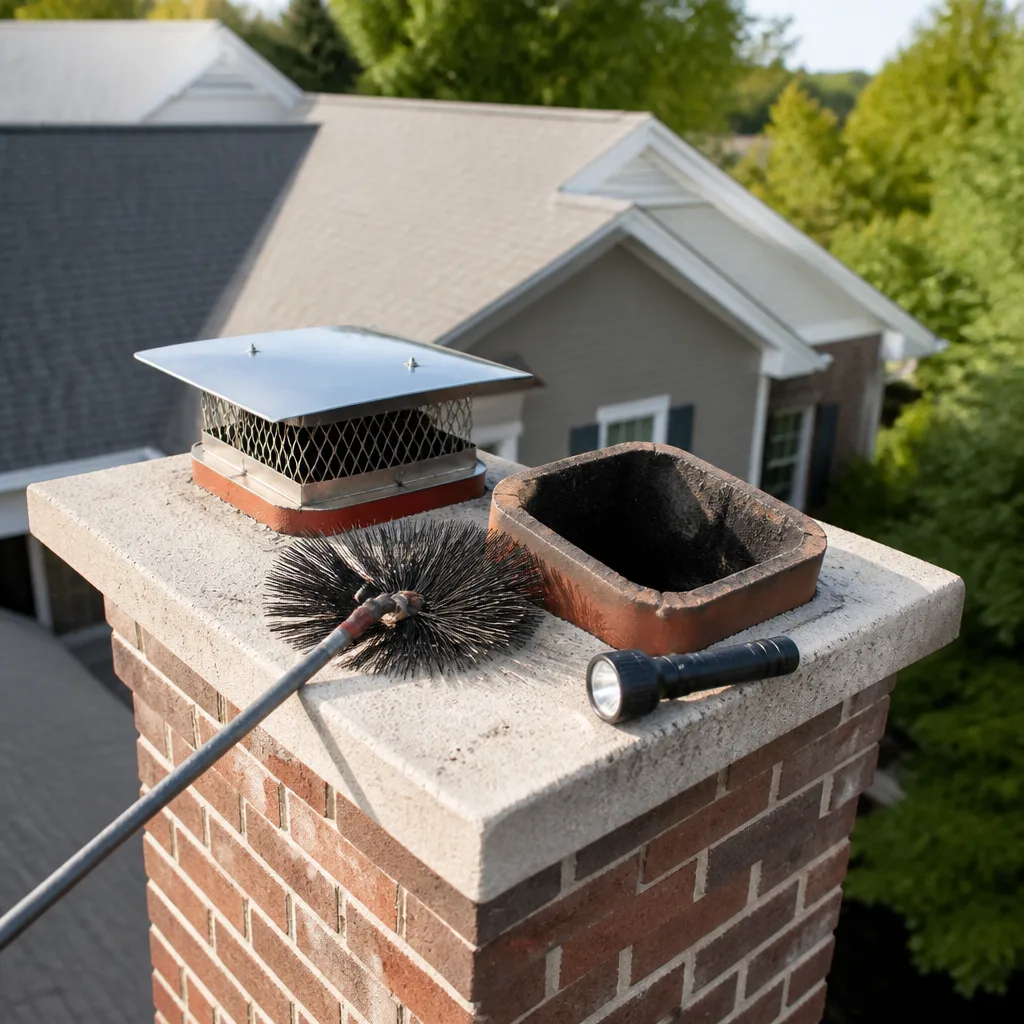
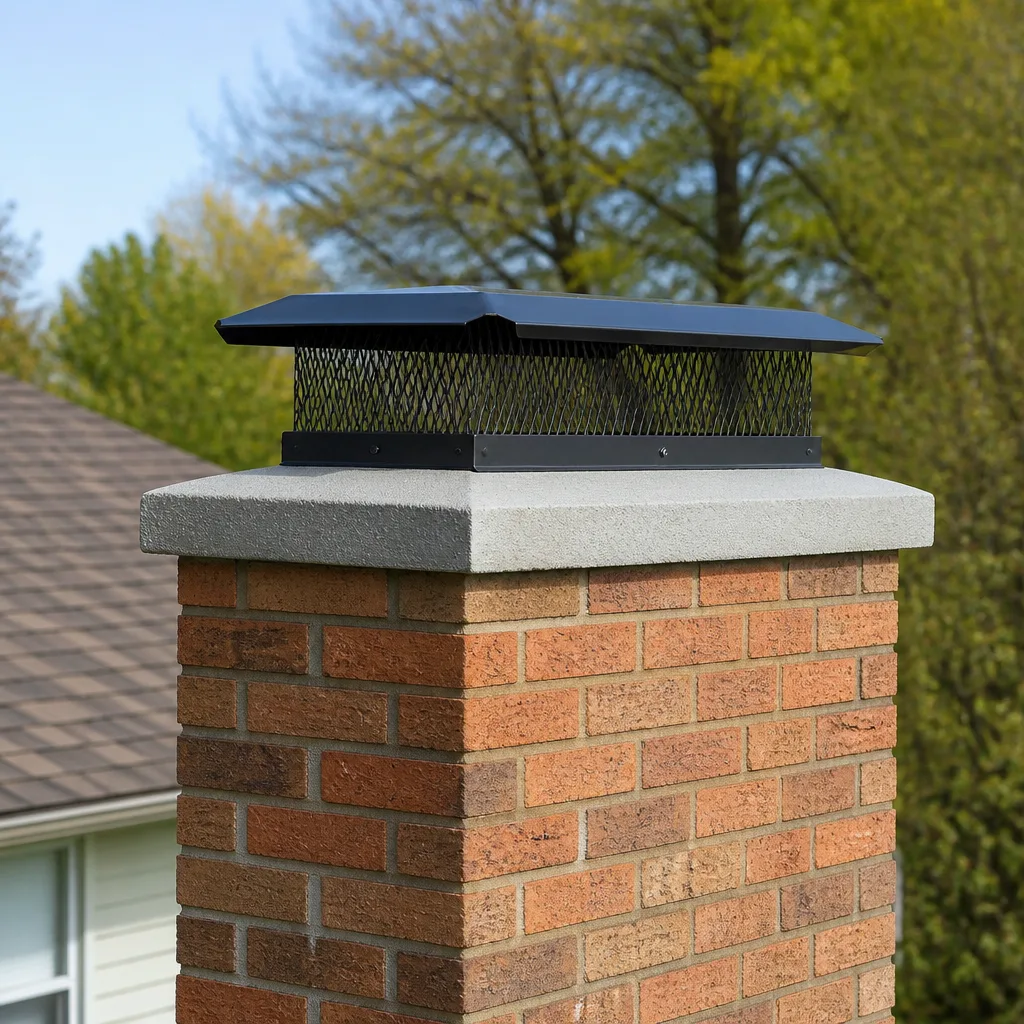
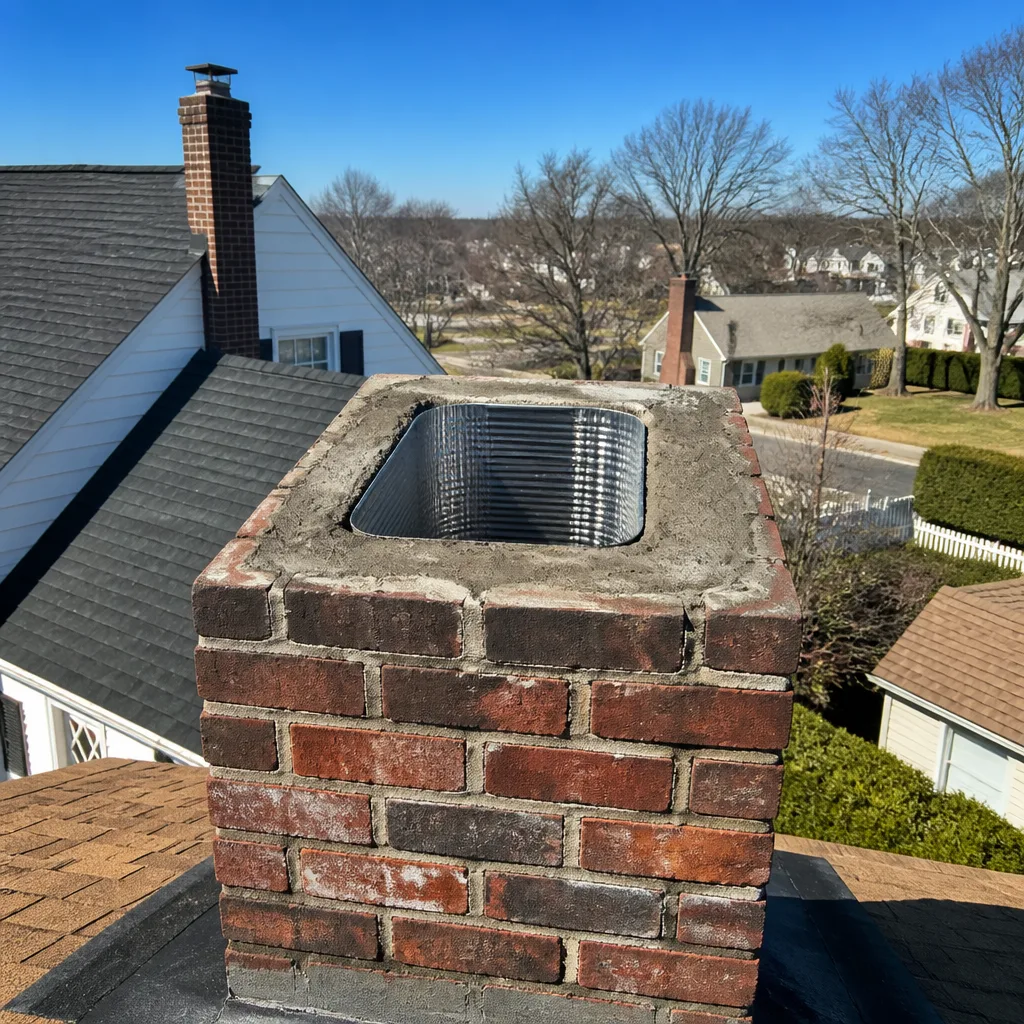
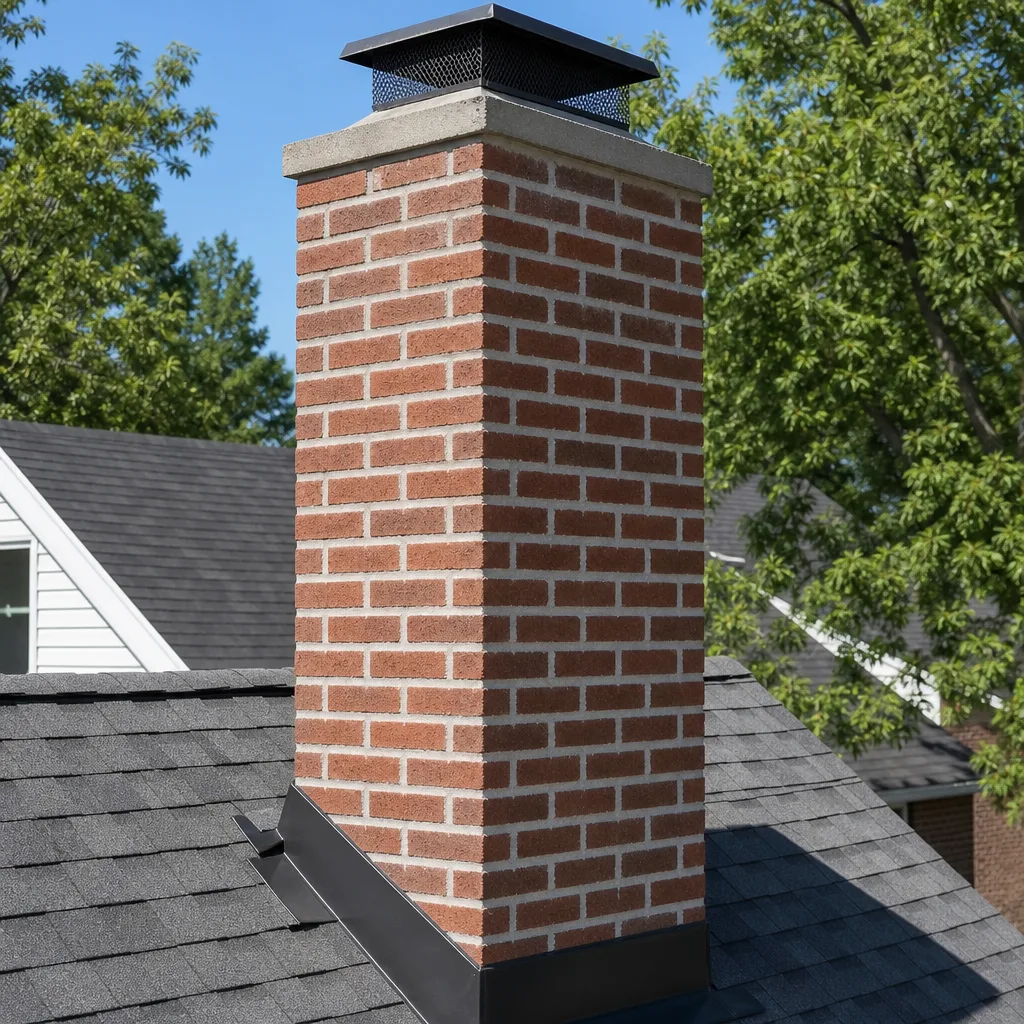
Level 1 sweep and inspection to the NFPA 211 annual standard - flue, crown, cap, and flashing checked and photographed
Chimney sweep logs do not sweep chimneys. They loosen some creosote - which then falls where a brush and vacuum still have to collect it.
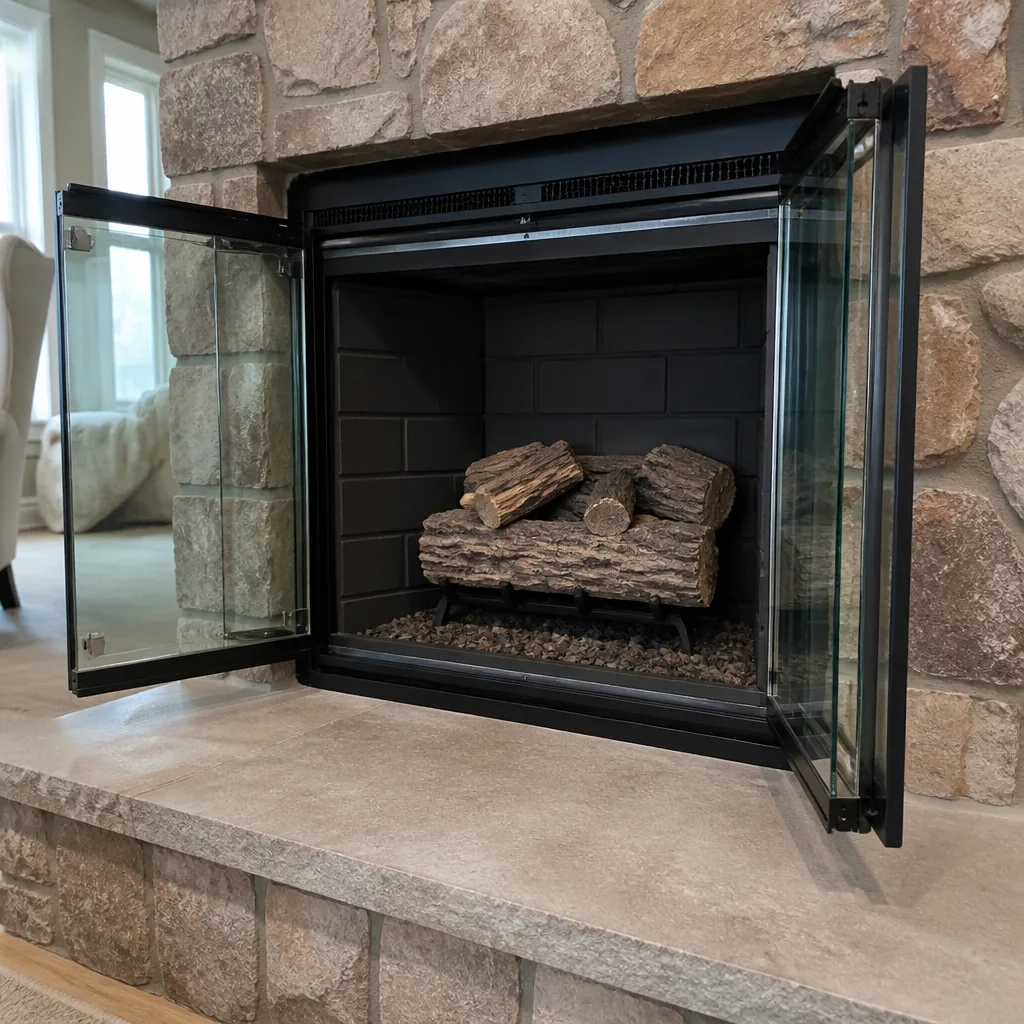
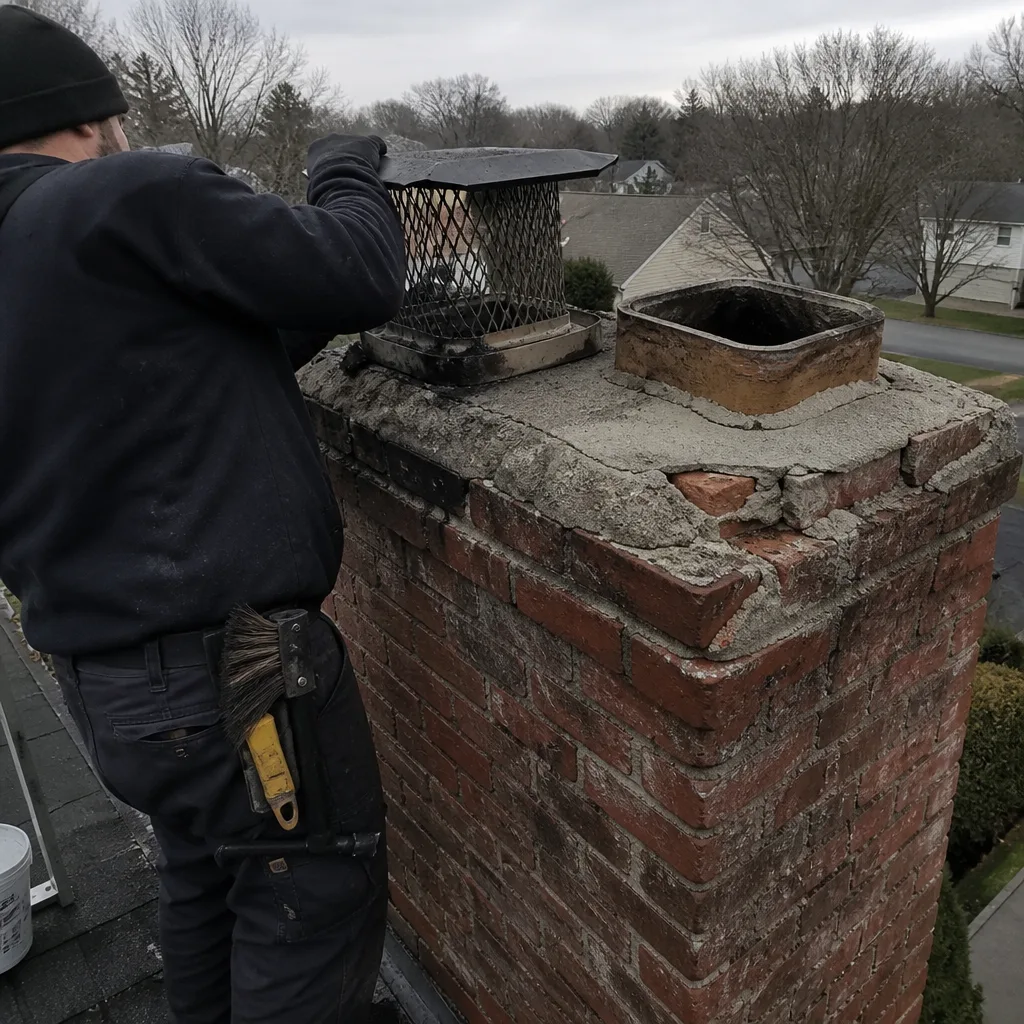 Before
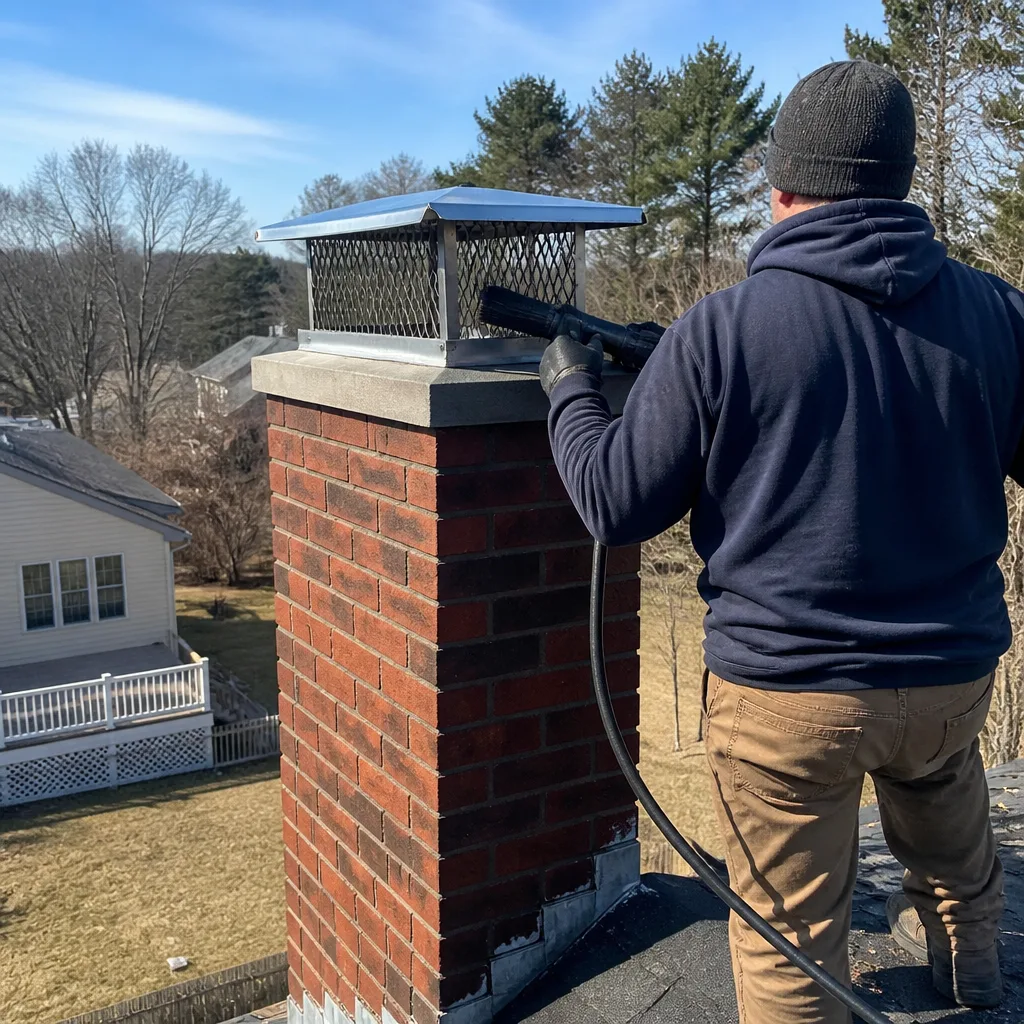 After
After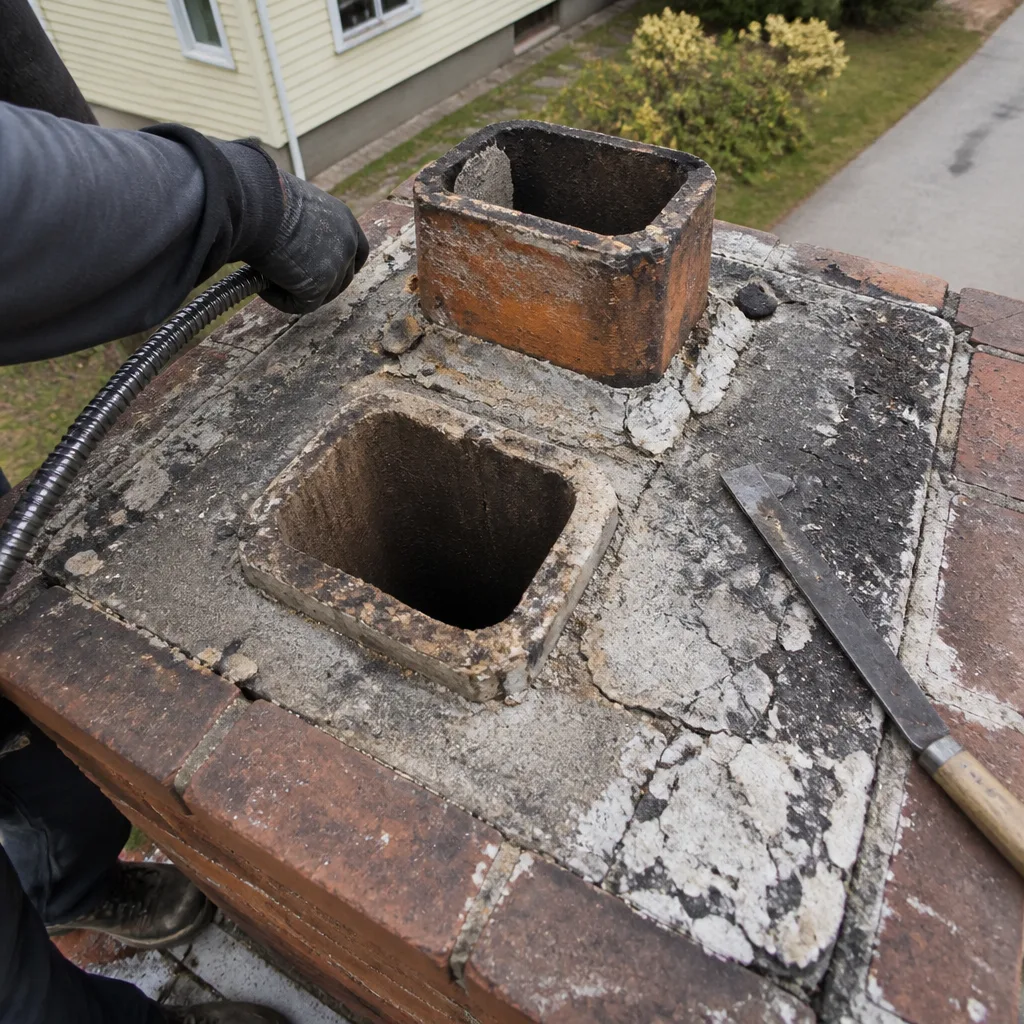 Before
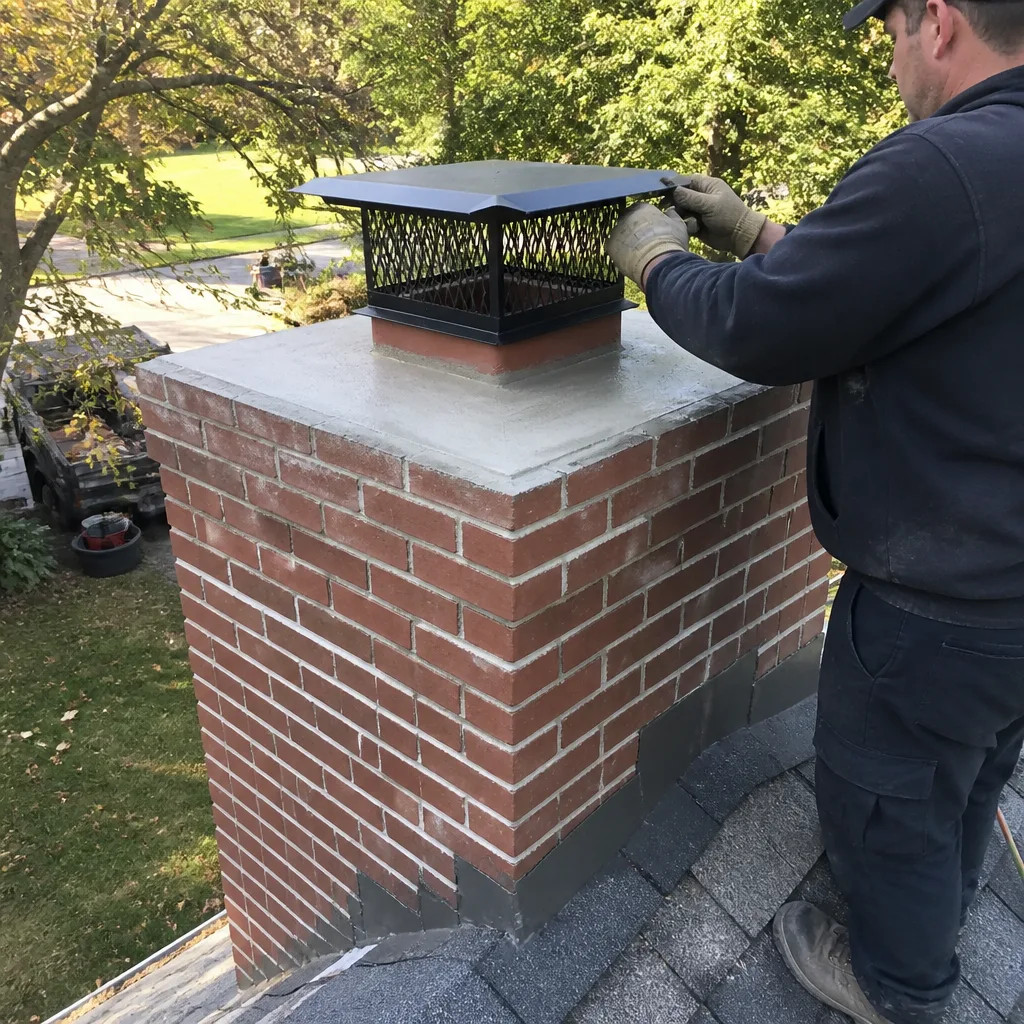 After
After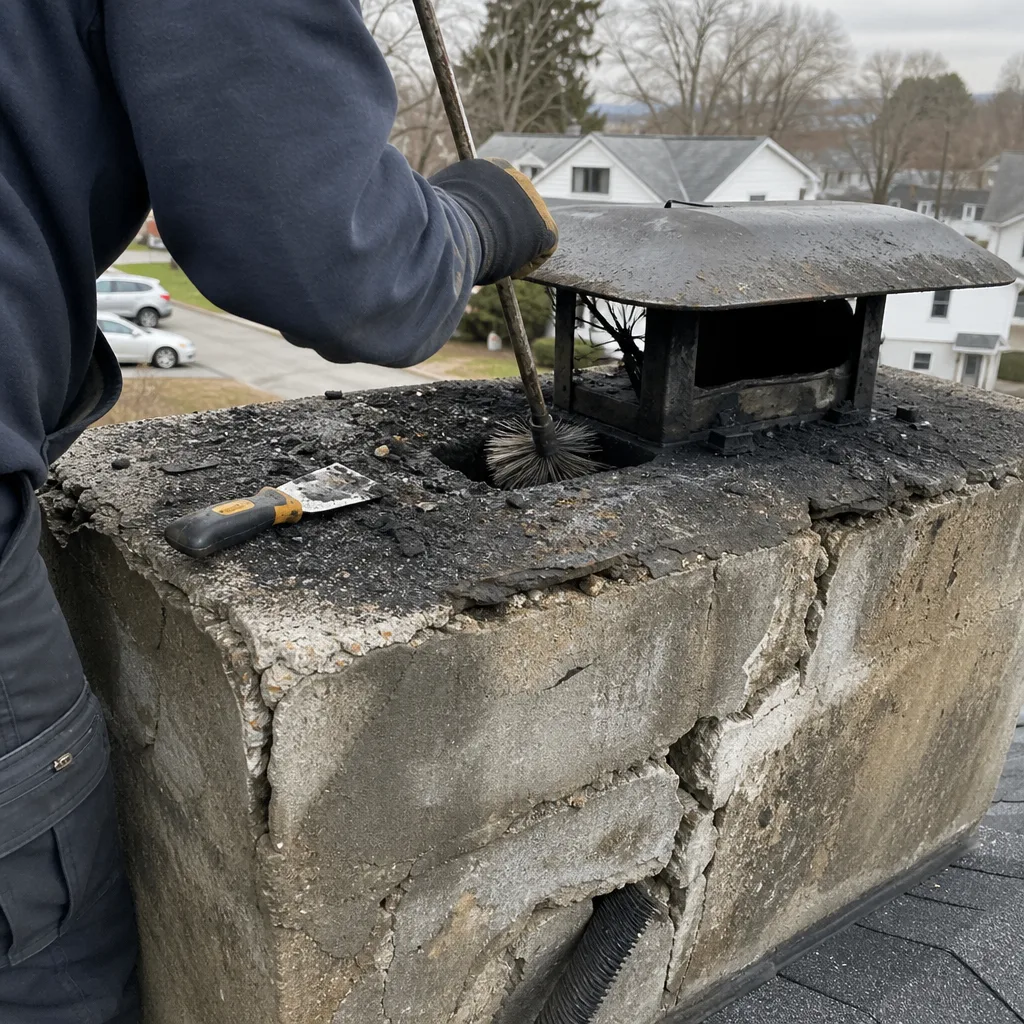 Before
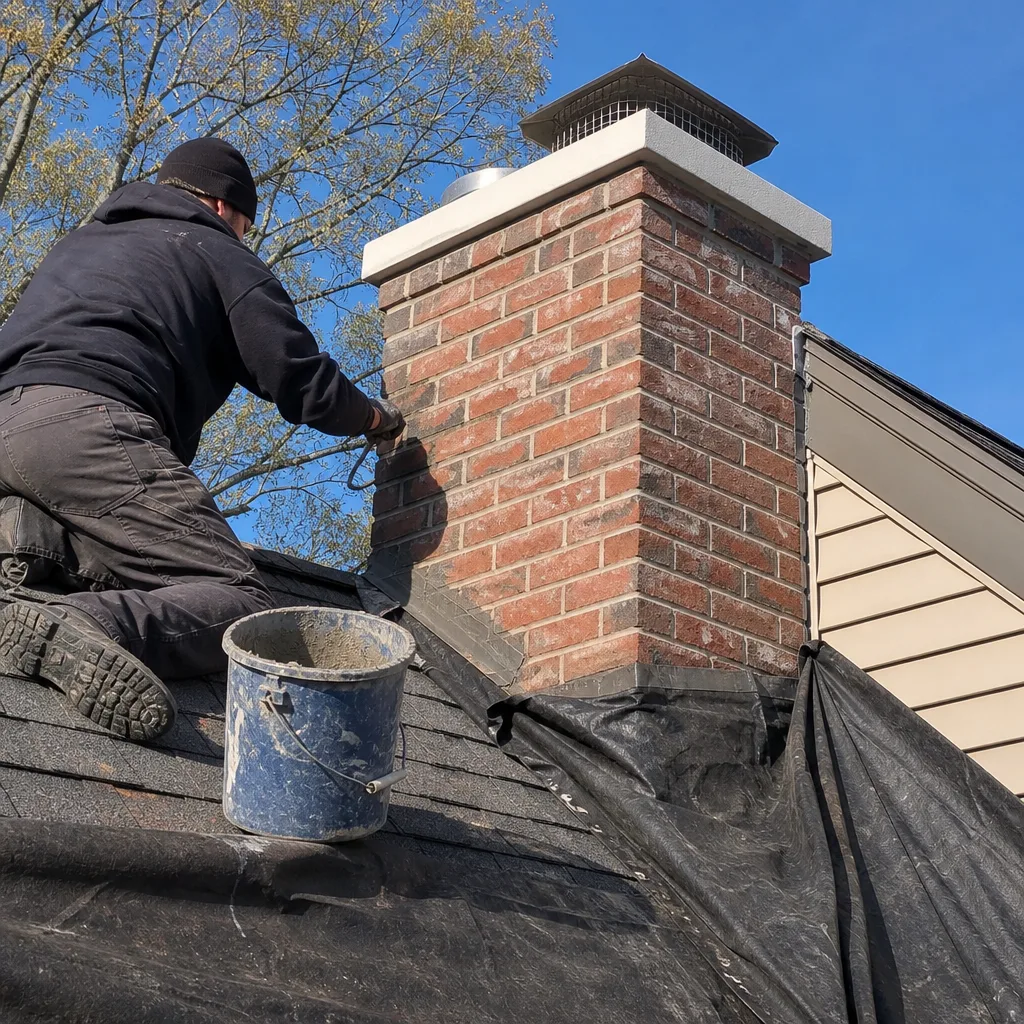 After
AfterThe Complete Guide to Chimney Cleaning in Attleboro
The National Fire Protection Association reports that 27% of home heating fires involve chimneys that were recently used but never inspected. Not neglected chimneys. Recently used ones. In Attleboro, where Colonial and Cape-style homes built between 1880 and 1970 still dominate neighborhoods like Pleasant Street, Hebronville, and South Attleboro, this statistic carries extra weight. Many of these houses share chimney systems between a fireplace and a furnace flue, meaning a problem in one flue can affect the other without any visible warning. Most homeowners think chimney cleaning is about removing soot. It isn’t. It’s about identifying the three failure points that cause house fires and carbon monoxide events before they happen. This guide walks through every one of them in plain language, with specific attention to how Attleboro’s housing stock, climate, and inspection standards affect your home - and you can find Seasonal Chimney Cleaning Care for Attleboro: Year-Round Homeowner’s Guide for ongoing maintenance timing. what you actually need.
Quick Answer
A professional chimney cleaning in Attleboro typically costs between $189 and $349 for a standard Level 1 inspection and sweep, and should include a visual examination of the flue, firebox, and accessible exterior masonry. Most Attleboro homes with active fireplaces need this service annually, while homes with oil or gas furnace flues sharing the chimney may need more frequent attention due to condensation and corrosive byproducts - see our DIY vs Professional Chimney Cleaning: The Attleboro Homeowner’s Decision Guide to understand why professional inspection matters here. The cleaning itself removes creosote buildup, but the critical value is the inspection that catches liner cracks, mortar deterioration, and blockages before they become hazardous.
Table of Contents
- What Actually Happens During a Chimney Cleaning
- NFPA 211 Inspection Levels: What Attleboro Homeowners Should Know
- How Attleboro’s Freeze-Thaw Cycle Damages Chimneys
- Creosote Stages 1, 2, and 3: What Each Means for Your Bill
- Dual-Flue Systems in Older Attleboro Homes
- What a Photo-Documented Inspection Report Should Contain
- Chimney Cleaning Cost Guide for Attleboro
- Choosing a Chimney Sweep in Attleboro
What Actually Happens During a Chimney Cleaning
A proper chimney cleaning is not a vacuum job. It is a systematic process that protects your house from three specific hazards: uncontrolled fire, carbon monoxide intrusion, and structural collapse of the chimney itself.
Here’s what happens when we arrive at an Attleboro home:
- Interior protection. We lay drop cloths from the fireplace opening to the nearest exterior door. Soot is fine, and it travels. Our technicians wear uniforms and boot covers, and we treat your floors like we’d treat our own.
- Pre-cleaning inspection. Before touching a brush, we examine the firebox for cracks, the damper for proper operation, and the smoke chamber for creosote buildup. This is where we often find the first warning signs.
- Flue sweeping. Using rotary brushes sized to your flue liner, we mechanically remove creosote deposits from the full length of the chimney. For masonry flues, we use poly or wire brushes matched to the liner material. For stainless steel liners from brands like Olympia Chimney or DuraFlex, we use softer bristles that clean without scoring.
- Debris removal and HEPA vacuuming. All loosened material is collected and removed. We do not leave ash piles in your driveway or soot on your mantel.
- Post-cleaning Level 1 inspection. We re-examine every accessible surface with bright light, documenting conditions with photographs. You receive these photos, not a verbal summary that evaporates after we leave.
- Written condition report and plain-English verdict. This is where we differ from sweeps who pack up and hand you a receipt. Our report states what we found, what it means, what needs attention now, what can wait, and what it will cost. No surprises on the bill.
The entire process takes 45 to 90 minutes for a standard fireplace flue in Attleboro. Furnace flues often take less time but require equal attention to corrosion and condensation damage, especially in homes with newer high-efficiency appliances venting into older masonry chimneys.
We’ve been doing this since 1984, and we’ve learned that the homeowners who stay safest are the ones who understand what they paid for. That’s why we explain every finding before we leave, and why our chimney cleaning and sweep in Attleboro includes documentation you can keep for your records or your insurance company.
NFPA 211 Inspection Levels: What Attleboro Homeowners Should Know
The National Fire Protection Association defines three inspection levels in its NFPA 211 standard. Most homeowners do not know which one they’re paying for, and some sweeps take advantage of that confusion. Here’s the breakdown in plain terms.
Level 1 Inspection is what a standard cleaning includes. The technician examines readily accessible portions of the chimney exterior, interior, and connecting appliances. No tools are used to open panels or remove components. This is appropriate when your appliance and venting system have not changed and you’ve been using it as designed. For most Attleboro homeowners with an annual maintenance routine, this is sufficient.
Level 2 Inspection is required when any of these apply: you’ve changed appliances, you’ve had a chimney fire, you’ve sold or bought the home, or there’s been damage from weather or an earthquake. This is also the level we recommend for any Attleboro home built before 1980 that has not had a camera inspection in the past five years. A Level 2 includes everything in Level 1, plus examination of attics, crawl spaces, and basements, and a video scan of the interior flue. Our Level 2 camera inspections end with photos you can see and a plain-English verdict, documented like an engineer and explained like a craftsman.
Level 3 Inspection is invasive. It requires removal of building materials, chimney crowns, or interior walls to gain access to hidden portions of the system. We only recommend this when a Level 2 reveals suspected hazards that cannot be confirmed otherwise. It is not a sales tactic; it is a last resort.
In Attleboro, we find that roughly 40% of the homes we first visit need at least a Level 2 inspection because of age, shared flue systems, or undocumented modifications by previous owners. The Hebronville and Briggs Corner neighborhoods, in particular, have many homes where a basement oil furnace was converted to gas without updating the chimney liner, creating a hidden mismatch that a Level 1 inspection cannot catch.
We do not guess at your inspection level. We ask about your home’s history, your appliances, and any changes made by prior owners. Then we recommend the appropriate level, with the reason explained in writing. That’s the Hearthstone Chimney Co. home approach, and it’s how we’ve operated for over 42 years.
How Attleboro’s Freeze-Thaw Cycle Damages Chimneys
Attleboro sits in Bristol County, where winter temperatures routinely swing between single digits and the mid-40s within a week. This freeze-thaw cycle is not merely uncomfortable. It is the primary accelerator of chimney deterioration in our region.
Here’s the mechanism: water enters tiny cracks in mortar joints and brick faces during warmer, wetter periods. When temperatures drop below freezing, that water expands by approximately 9%. The expansion forces the crack wider. The next thaw allows more water to enter. By spring, a hairline crack has become a structural gap.
In Attleboro, this process intensifies between October and March for three reasons specific to our location:
- Coastal moisture influence. We’re close enough to Narragansett Bay to receive higher humidity and more frequent freeze-thaw events than inland Massachusetts locations. The moisture content in our winter air keeps brick and mortar saturated longer.
- Age of housing stock. Many Attleboro chimneys were built with lime-based mortars that are more porous than modern Portland cement mixes. These older mortars absorb water faster and spall more readily when frozen. In the Capron Street historic district and surrounding neighborhoods, we’ve seen chimneys lose entire courses of brick face in a single severe winter.
- Shared flue thermal stress. When a chimney serves both a furnace and a fireplace, the flue experiences extreme temperature differentials. The furnace runs for hours at moderate temperatures, then the fireplace spikes the flue to 600°F or higher. This thermal cycling weakens liner adhesion and mortar bonds, making freeze-thaw damage propagate faster.
We inspect for freeze-thaw damage in every Attleboro chimney cleaning, even when the homeowner called only for soot removal. Spalled brick, deteriorated crown wash, and separated flue liner segments are common findings in February and March appointments. Caught early, these issues are repairable with crown sealant, tuckpointing, or stainless steel liner installation using HeatShield refractory materials. Ignored, they lead to partial rebuilds that cost ten times as much.
The takeaway: your chimney’s worst enemy in Attleboro is not the fire you build. It is the water that gets in when you’re not looking, and the freeze that turns small problems into structural failures.
Creosote Stages 1, 2, and 3: What Each Means for Your Bill
Creosote is not one substance. It is a progression of deposits that change in composition, flammability, and removal difficulty. Understanding the stages helps you understand why one cleaning costs $189 and another costs significantly more.
Stage 1: Soot and light powder. This is fresh, loose material that brushes off easily. It forms when you burn seasoned hardwood at proper temperatures with adequate air supply. A Stage 1 flue is what every sweep hopes to find. Cleaning is straightforward, and the risk of chimney fire is minimal.
Stage 2: Crunchy, porous flakes. This is creosote that has partially condensed and hardened into a tar-like layer with a honeycomb structure. It forms when fires are damped down too low or when unseasoned wood is burned. Stage 2 requires more aggressive mechanical cleaning, sometimes with chains or specialized whips, and takes 30 to 50% longer than Stage 1. The fire risk is moderate and increasing.
Stage 3: Glazed, hardened tar. This is the dangerous stage. The creosote has been baked onto the flue liner in a dense, glassy layer that is extremely difficult to remove and highly flammable. Stage 3 creosote can ignite at temperatures as low as 451°F, which a normal fire easily exceeds. Removal requires chemical treatment to soften the deposit, followed by intensive mechanical cleaning, often over multiple sessions. In severe cases, liner replacement is more cost-effective than repeated cleaning attempts.
In Attleboro, we see Stage 3 creosote most often in three situations: homeowners who burn pine or unseasoned wood purchased cheaply from roadside sellers; fireplace inserts installed without proper liner connections, causing restricted draft and incomplete combustion; and older homes with exterior chimneys that stay cold, promoting rapid condensation of flue gases.
We do not upsell based on creosote stage. We show you the camera footage, explain what stage is present, and give you a fixed price for the appropriate cleaning method. Our chimney repair in Attleboro includes liner replacement when Stage 3 has compromised the flue beyond safe cleaning, using professional-grade materials from Gelco and other trusted manufacturers.
The honest truth: if you’re burning properly seasoned hardwood and having annual cleanings, you should never see Stage 2 or 3. If you’re seeing it, something in your burning practice or equipment needs correction. We’ll tell you what, and why.
Dual-Flue Systems in Older Attleboro Homes
Walk through Attleboro’s older neighborhoods, the ones with the grand Colonials and modified Capes built when the jewelry mills were still running, and you’ll find a chimney feature that confuses many homeowners: two flues, sometimes three, sharing a single brick stack.
This is not a design flaw. It was standard construction through the 1960s. One flue serves the fireplace or wood stove on the main floor. Another serves the basement furnace, originally coal or oil, now often gas. They run parallel inside the same masonry structure, separated by a thin wythe of brick, sometimes only four inches thick.
The problem is that this shared construction creates failure modes a single-flue chimney does not experience:
- Cross-flue leakage. If the separating wall cracks or mortar falls out, exhaust from the furnace can enter the fireplace flue, or vice versa. This is a carbon monoxide hazard of the highest order, and it produces no visible symptom until someone is harmed.
- Accelerated deterioration from mixed fuels. Oil and gas combustion produces acidic moisture that attacks mortar. Wood combustion produces creosote that insulates and overheats nearby surfaces. When both processes occur in the same chimney stack, the materials degrade faster than engineering tables predict.
- Confused inspection scope. A sweep who cleans only the fireplace flue and ignores the furnace flue has done half a job. In Attleboro, we’ve encountered cases where the “clean” fireplace flue was adjacent to a furnace flue so deteriorated that both were unsafe. The homeowner had no idea because no one had looked.
- Liner incompatibility. When one flue is relined with stainless steel and the other remains bare masonry, the temperature differential between flues increases thermal stress on the shared wall. Proper installation requires attention to both flues, not just the one being repaired.
We always ask Attleboro homeowners whether their chimney serves multiple appliances. We inspect every flue we can access, and we document the condition of the separating walls where visible. If you have a dual-flue system and your current sweep has never mentioned it, that is a warning sign worth heeding.
Our fireplace services in Attleboro include evaluation of the complete chimney system, not just the hearth you see. Done right, and we stand behind it.
What a Photo-Documented Inspection Report Should Contain
Verbal-only verdicts leave homeowners unprotected. We say this with certainty because we’ve spent decades repairing the consequences of inspections that were “fine” according to someone who left no record.
A proper photo-documented inspection report contains:
- Date, technician name, and weather conditions. These establish context and accountability. If there’s a dispute later, this information matters.
- Photographs of every accessible component: firebox floor and walls, damper assembly, smoke chamber, flue liner interior at multiple elevations, chimney crown, exterior brickwork, flashing, and cleanout door. Each photo should be labeled with location and orientation.
- Measured dimensions where relevant: flue liner size, crack widths, spalled area dimensions. “Large crack” means nothing. “3/16-inch vertical crack extending 14 inches” means something.
- Condition ratings: a clear system, such as Good / Fair / Poor / Hazardous, applied to each component. This lets you prioritize repairs and budget accordingly.
- Plain-English explanation of each finding: what it is, what causes it, what happens if ignored, and what correction involves. Technical jargon without translation is not communication; it is concealment.
- Prioritized recommendations with costs: what needs immediate attention, what should be scheduled within the year, and what is preventive maintenance for future planning. Each recommendation should include a fixed price or price range, not “TBD” or “call for estimate.”
- NFPA 211 reference: which standard applies to your system and why the recommended work aligns with it. This protects you with your insurance company and documents due diligence.
We provide this report in printed form and by email, with photos in full resolution. You own this documentation. It belongs to you, not to us, and you may share it with any other professional for second opinions. In fact, we offer a Free Second Opinion on any written estimate because we believe informed homeowners make better decisions.
In Attleboro, where many homes have changed hands multiple times and chimney histories are often lost, this documentation becomes part of your property’s permanent record. When you sell, buyers appreciate it. When you need insurance, adjusters accept it. When you call us back in five years, we know exactly what we found last time.
Photos you can see, a plain-English verdict. That’s not a slogan. It’s the minimum standard for professional work.
Chimney Cleaning Cost Guide for Attleboro
Price matters, and we do not dodge the question. Here is what chimney cleaning costs in the Attleboro market, based on our actual pricing and what we observe from competitors who publish rates.
| Service | Typical Range | What’s Included |
|---|---|---|
| Level 1 Inspection & Standard Sweep (Stage 1 creosote) | $189 - $249 | Visual inspection, rotary sweep, debris removal, written condition report with photos |
| Level 1 with Stage 2 Creosote Removal | $249 - $329 | Extended mechanical cleaning, chemical pretreatment if needed, full documentation |
| Level 2 Camera Inspection & Sweep | $289 - $349 | Video flue scan, attic and basement examination, photo report, plain-English verdict |
| Furnace Flue Cleaning Only | $149 - $199 | Visual inspection, sweep, corrosion assessment, documentation |
| Combination Fireplace + Furnace Flue | $329 - $449 | Full service to both flues, cross-flue wall check, integrated report |
These are our no-hassle upfront prices. The number on the estimate is the number on the invoice. We do not add trip charges, fuel surcharges, or “unexpected complexity” fees after arrival.
Several factors can push Attleboro jobs toward the higher end of these ranges:
- Roof access difficulty. Steep pitches, multiple stories, or icy conditions require additional safety equipment and time. We do not take shortcuts on ladder setup or roof anchors.
- Insert or stove removal. Factory-built inserts must be disconnected and removed to access the flue properly. This adds 30 to 60 minutes.
- Excessive debris or animal nesting. We’ve removed squirrel nests, raccoon bedding, and in one memorable case on County Street, a complete beehive from a summer-vacant chimney. These situations require specialized handling.
- After-hours or emergency scheduling. While we answer calls 24/7 with a live person, scheduled appointments outside normal hours carry premium pricing.
We also offer a permanent 5% Senior and Veteran discount, and our $89 Seasonal Tune-Up for qualifying systems. The $50 Off Any Repair Over $250 applies to follow-up work identified during cleaning.
Call (508) 545-9737 for an exact quote. Estimates are free, and we do not pressure for immediate booking.
Choosing a Chimney Sweep in Attleboro
The chimney service industry in Massachusetts has minimal regulation. Anyone with a brush and a ladder can claim to be a sweep. This creates real risk for homeowners who assume credentials they have not verified. Our How to Hire a Chimney Cleaning Contractor in Attleboro: A Step-by-Step Guide shows exactly what to check before you book.
Here is what to verify before hiring:
- CSIA certification. The Chimney Safety Institute of America is the recognized standard. Ask for the technician’s certification number and verify it on CSIA’s website. Membership in the National Chimney Sweep Guild (NCSG) indicates additional professional commitment.
- Insurance. General liability and workers’ compensation are essential. If a technician is injured on your property and lacks coverage, your homeowner’s policy may be drawn into dispute. We carry both, and we provide proof on request.
- Written guarantee. Verbal promises evaporate. Our 90-Day Done Right Promise, the Keystone Standard, is backed in writing with no arguing: Krafted right, Every time, Your home first, Standing behind it. If it’s not right, we make it right.
- Local presence and longevity. A company that plans to be in Attleboro in thirty years acts accordingly. We’ve served local communities for over 42 years, since 1984. We’ve outlasted dozens of competitors who offered low introductory prices and disappeared.
- Documentation standards. Ask specifically: “Will I receive photos?” If the answer is vague, keep looking. Verbal-only inspections protect the sweep, not you.
- Material quality. We use professional-grade materials from Famco, HeatShield, Gelco, Olympia Chimney, DuraFlex, and Copperfield. We do not substitute builder-grade products to increase margin. Ask any sweep what brands they install and why.
Attleboro homeowners in particular should be cautious of itinerant sweeps who appear after major storms, offering “free inspections” that inevitably find expensive damage. We’ve repaired chimneys in the Linden Street area where unlicensed operators removed sound crowns to sell unnecessary rebuilds. The work was unnecessary, the quality was poor, and the companies were unreachable when problems appeared.
We answer the phone with a live person, 24 hours a day, 7 days a week. Not voicemail, not a callback queue, not an app. When you call (508) 545-9737, you speak to someone who can schedule, answer questions, or connect you directly with Russell Haines if the matter is complex. That’s how we’ve operated for over four decades, and that’s how we’ll continue.
Common Mistakes to Avoid
- Assuming a clean fireplace means a safe chimney. The firebox is visible. The flue liner, smoke chamber, and exterior masonry are not. We’ve found cracked liners in fireplaces that looked pristine from the living room.
- Burning unseasoned or “discount” wood. Wood with moisture content above 20% creates Stage 2 and 3 creosote rapidly. That $80 cord from a roadside seller in Rehoboth can cost you $800 in accelerated cleaning or liner damage.
- Ignoring the furnace flue. In Attleboro’s dual-flue homes, the furnace flue is out of sight and often out of mind. It deteriorates from condensation and acid attack while the fireplace gets annual attention. Both need inspection.
- Accepting verbal estimates for repair work. A written estimate with photos protects you from scope creep and price inflation. We provide both before any repair begins.
- Delaying after a chimney fire. Even a small chimney fire, the kind that sounds like a freight train for thirty seconds, causes liner damage that requires Level 2 inspection. Waiting until next season risks a second, larger fire.
- Hiring based on lowest price alone. The difference between a $99 sweep and a $219 sweep is often insurance, certification, documentation, and accountability. We’ve been called to correct $99 specials that left chimneys dirtier than they started.
- Neglecting the crown and flashing. Water entry destroys chimneys from the top down. A $200 crown sealant application prevents $3,000 in rebuild costs. We check these on every visit, not just when you ask.
When to Call a Professional
Call a certified chimney professional when you notice any of the following: visible creosote flakes falling into the firebox; smoke entering the room during normal fireplace use; a strong, acrid odor from the fireplace in warm weather; white staining (efflorescence) on exterior brick; pieces of brick or mortar in the firebox or cleanout; rust on the damper or firebox; or any event you suspect was a chimney fire, even brief and minor.
Also call before the burning season begins if your chimney has not been inspected in the past twelve months, if you’ve changed heating appliances, or if you’ve purchased a home and have no documentation of prior service. In Attleboro’s older housing stock, unknown modifications by previous owners are a common source of hidden hazards.
Hearthstone Chimney Co. offers free estimates in Attleboro. Call (508) 545-9737 to speak with a live person, any hour, any day. We’ll schedule at your convenience, arrive when we say, and leave you with photos you can see and a plain-English verdict you can understand. Browse our more guides & resources to stay informed between visits. Most jobs are completed in a single visit, with background-checked, uniformed technicians who treat your home with respect.
Frequently Asked Questions
A standard Level 1 chimney sweep and inspection in Attleboro typically costs between $189 and $249, with Stage 2 creosote removal or Level 2 camera inspection ranging up to $349. Dual-flue systems and furnace flue cleanings have separate pricing. Call (508) 545-9737 for an exact quote - estimates are free.
The NFPA recommends annual inspection for all chimney systems, with cleaning frequency determined by creosote accumulation. Most Attleboro homeowners with active fireplaces need annual sweeping. Homes with oil or gas furnace flues sharing the chimney may need more frequent attention due to corrosive condensation, especially after appliance upgrades to high-efficiency units.
You need a new liner when the existing one is cracked, separated, or deteriorated to the point that it cannot contain combustion gases and sparks. We do not recommend liner replacement without camera evidence you can see for yourself. In some cases, minor damage can be repaired with HeatShield refractory sealant at lower cost than full replacement. We will tell you plainly when work can safely wait, and when it cannot.
Skipped cleaning allows creosote to progress to Stage 2 or 3, increasing fire risk and potentially requiring more expensive removal methods. It also means undetected liner cracks, mortar deterioration, and blockages continue unaddressed. In Attleboro’s freeze-thaw climate, minor exterior damage that a cleaning inspection would catch becomes major structural failure over two or three winters. The cost of prevention is always lower than the cost of repair.
A sweep is the physical cleaning of the flue. An inspection is the systematic evaluation of the system’s condition. They are related but distinct. A sweep without inspection is incomplete; an inspection without cleaning may be appropriate if the system is clean but has not been examined. Our standard service combines both, with documentation, because one without the other leaves you uninformed.
We do not recommend DIY chimney cleaning for several reasons. Proper cleaning requires tools sized to your specific flue liner, knowledge of NFPA 211 standards, and the ability to evaluate what the camera reveals. More critically, roof work on Attleboro’s often steep Colonial and Cape roofs presents genuine fall hazard, and improper cleaning can damage liners or leave hazardous deposits. This is skilled work with safety implications. We recommend a trained professional.
The Bottom Line
Chimney cleaning in Attleboro is not about soot removal. It is about catching the three failure points, liner cracks, mortar spalling, and flue blockages, before they cause fire or carbon monoxide intrusion. The NFPA’s statistic on recently used but uninspected chimneys should stay with you: the hazard is not neglect, it is assumption.
Attleboro’s older homes, shared flue systems, and severe freeze-thaw cycle create conditions that reward proactive maintenance and punish delay. Annual inspection, photo documentation, and plain-English reporting are not extras. They are the minimum standard for protecting your home and the people in it.
We’ve served this region for over 42 years. We plan to be here for decades more. That perspective shapes how we price, how we document, and how we stand behind our work. Done right, and we stand behind it. A square deal: no surprises on the bill. We’ll be there when we say.
Call (508) 545-9737 for a free estimate. A live person answers, every hour, every day.
Written by Russell Haines, Owner at Hearthstone Chimney Co., serving Attleboro since 2014.