
Last updated September 10, 2026
Level 1 sweep and inspection to the NFPA 211 annual standard - flue, crown, cap, and flashing checked and photographed
Chimney sweep logs do not sweep chimneys. They loosen some creosote - which then falls where a brush and vacuum still have to collect it.
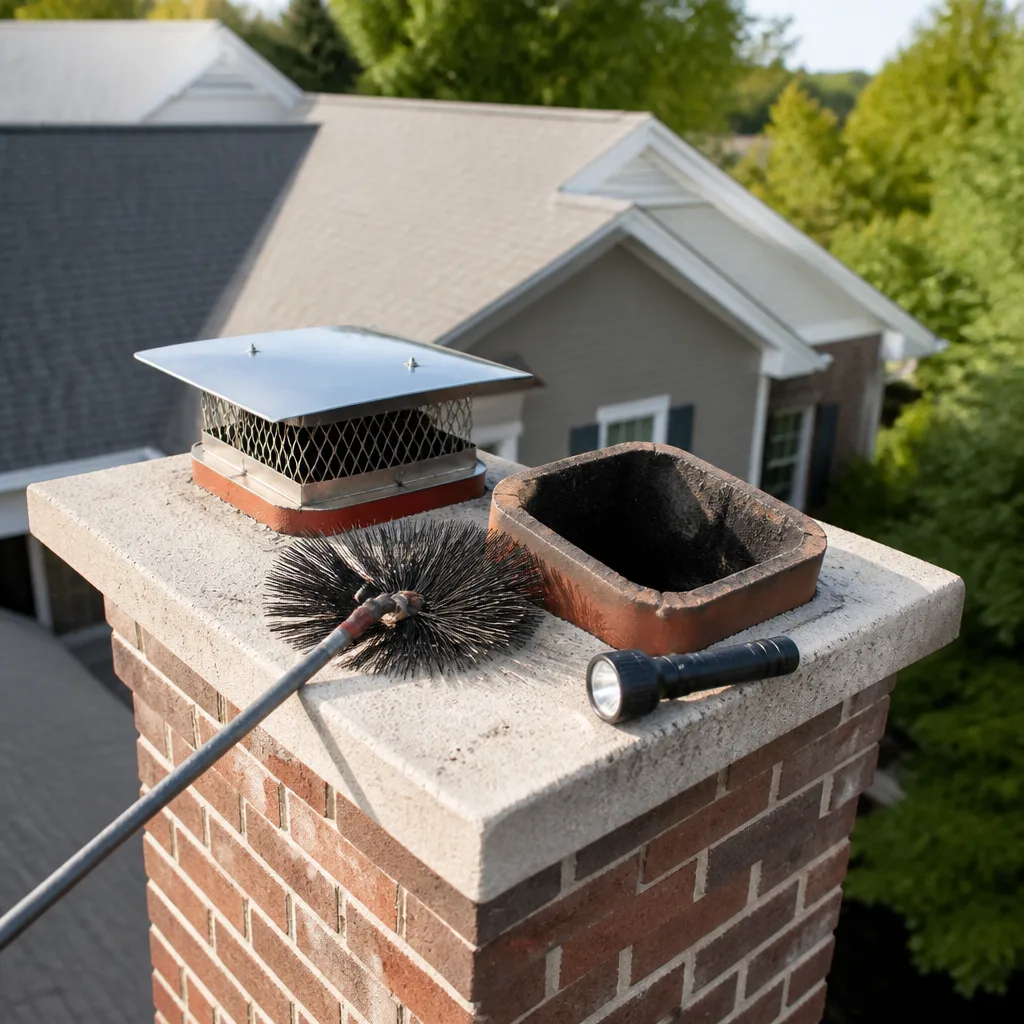
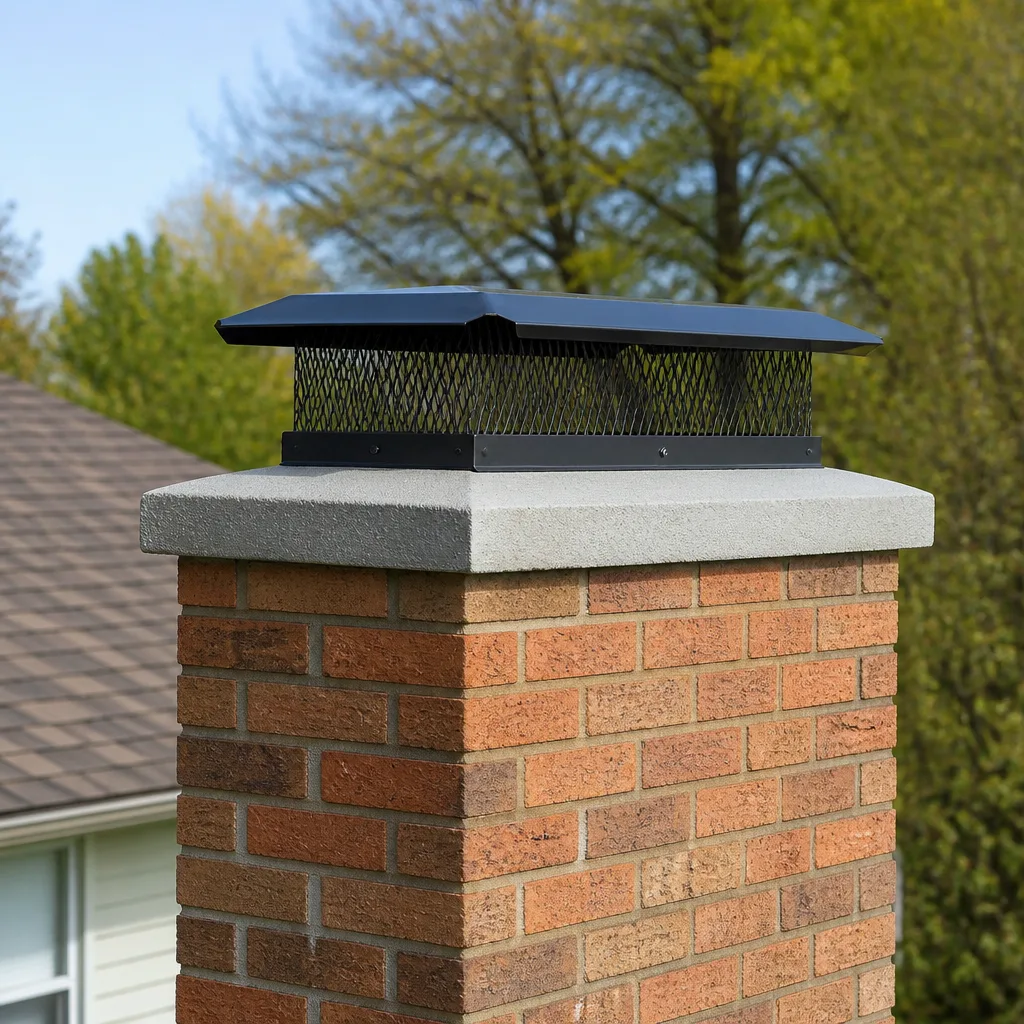
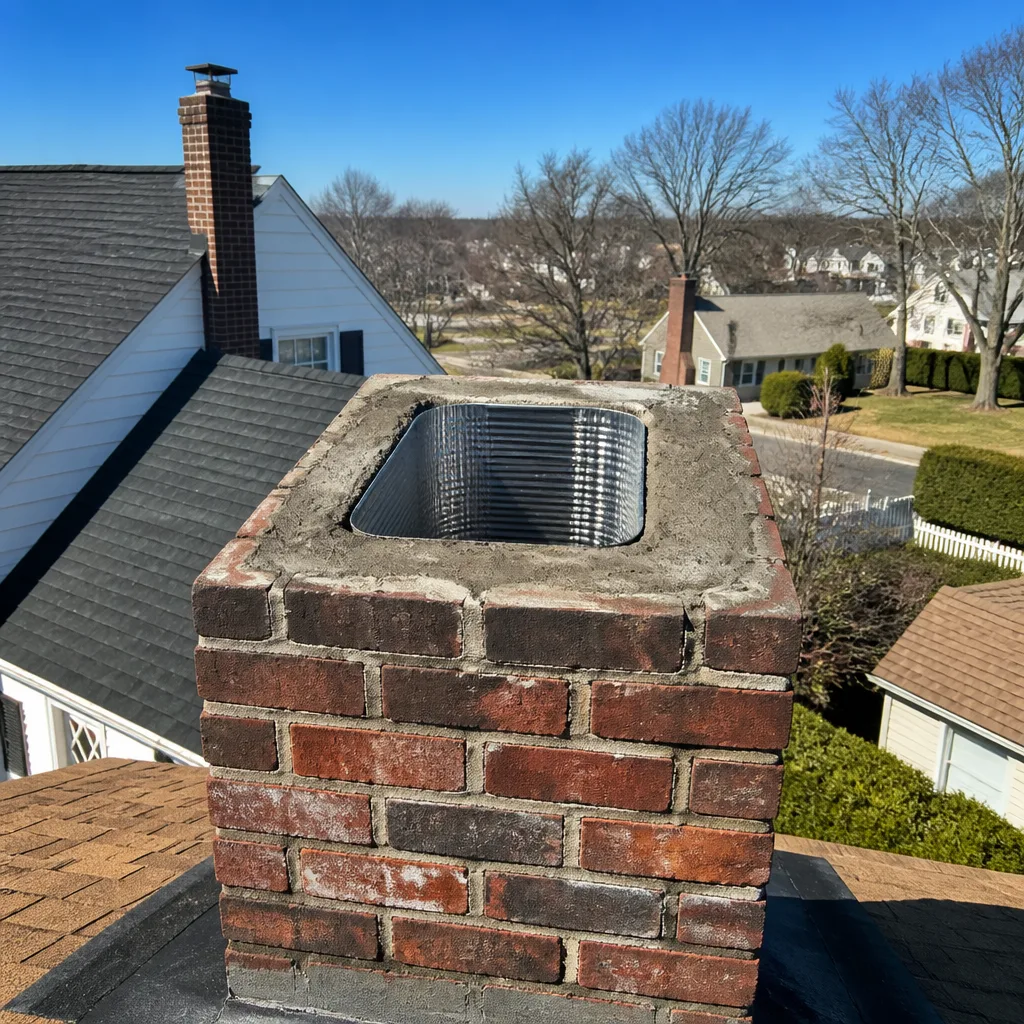
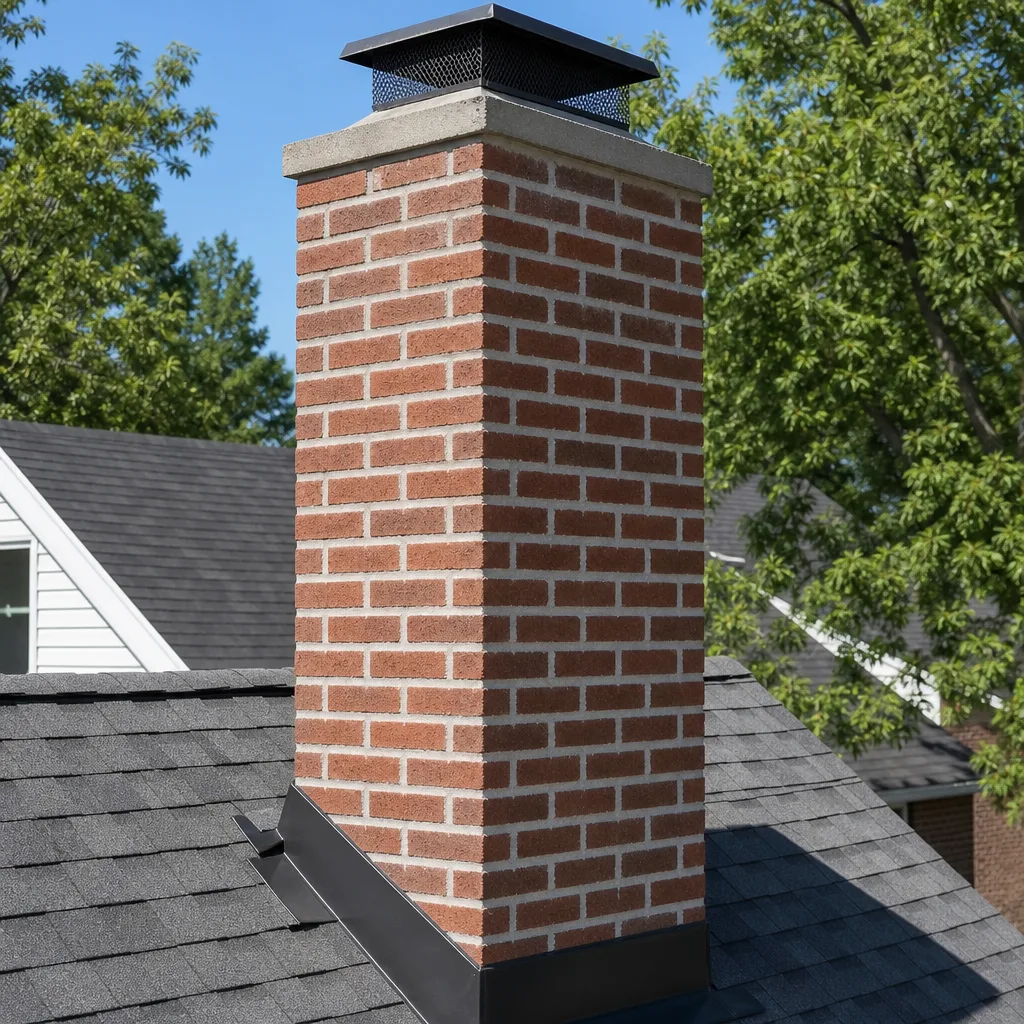
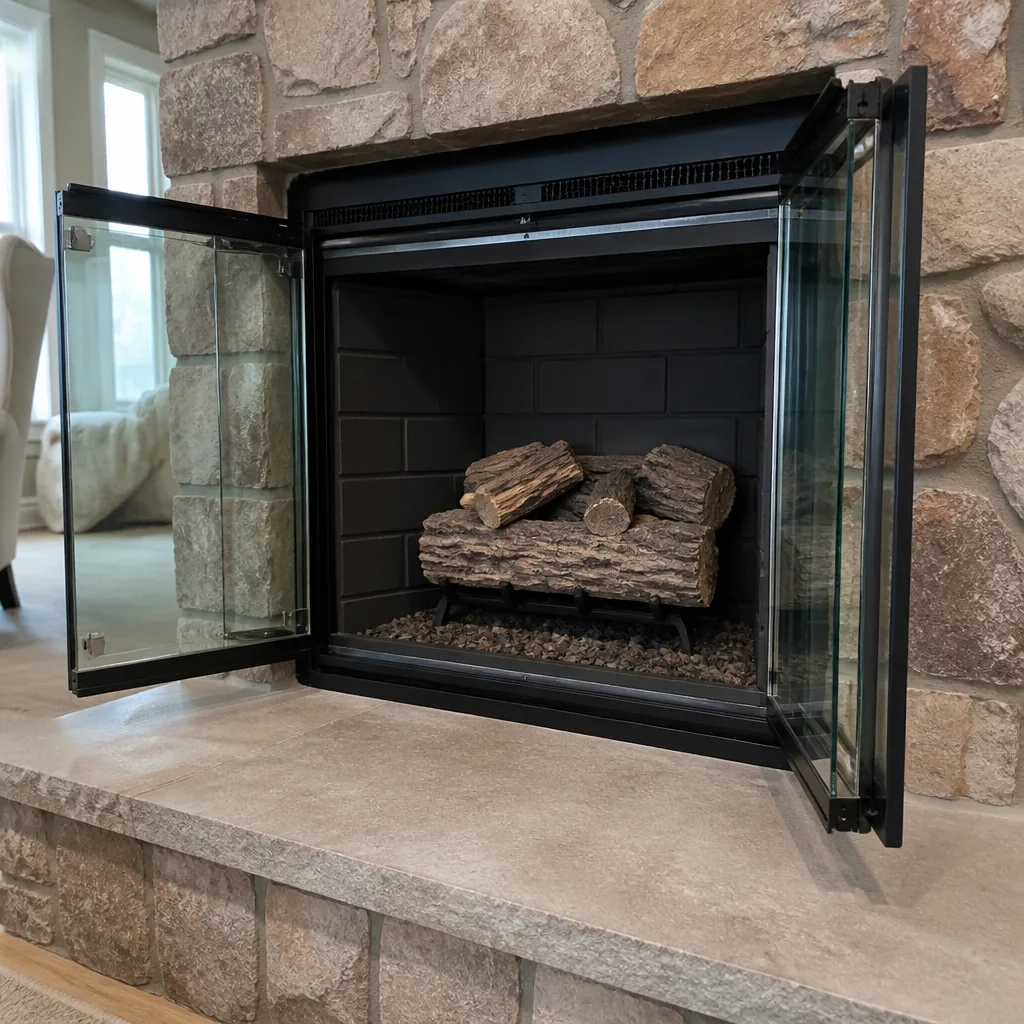
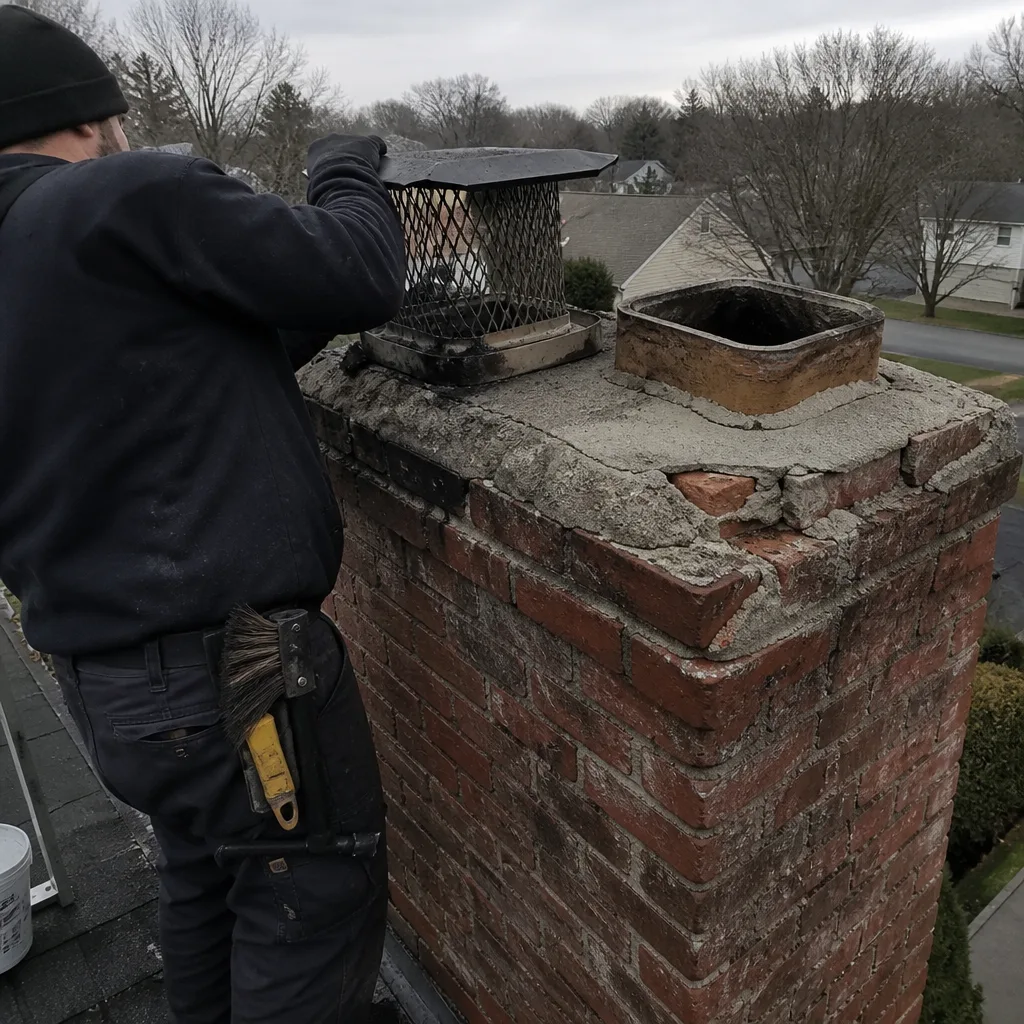 Before
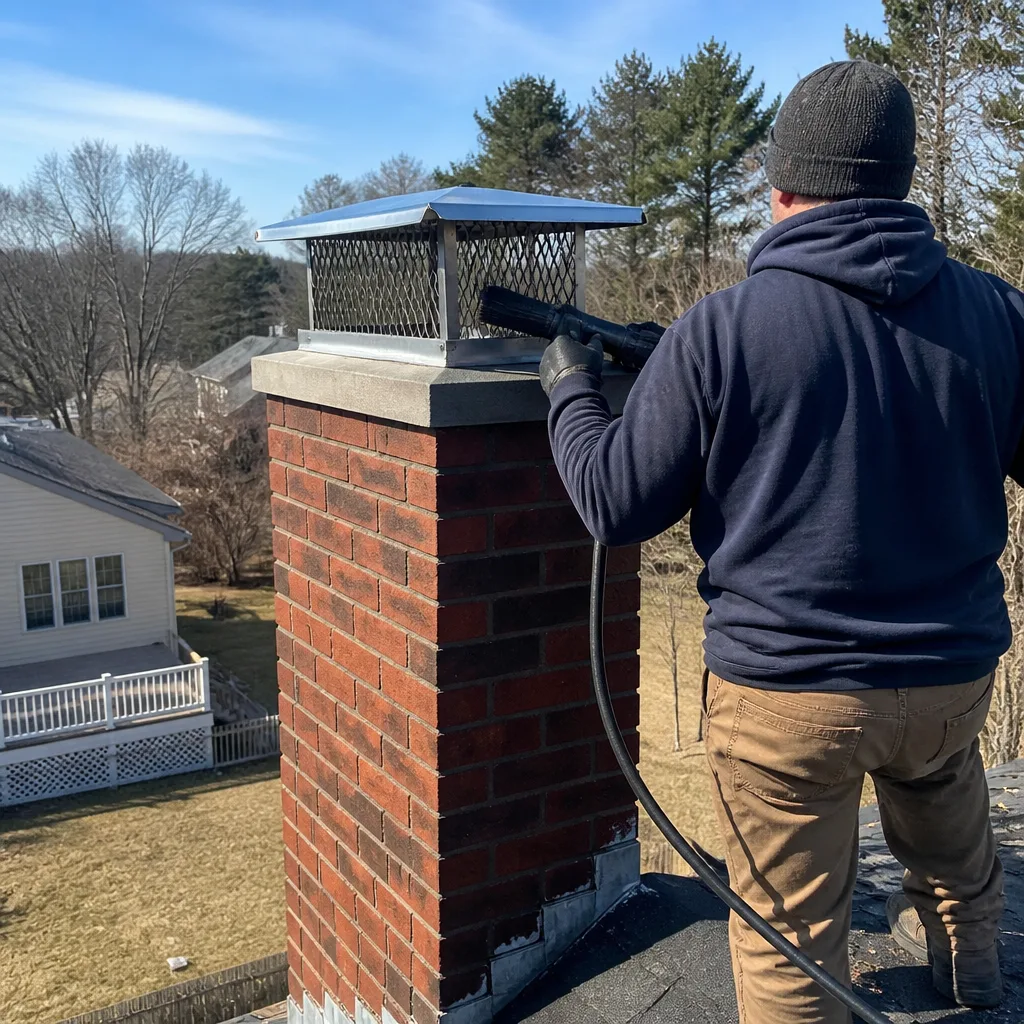 After
After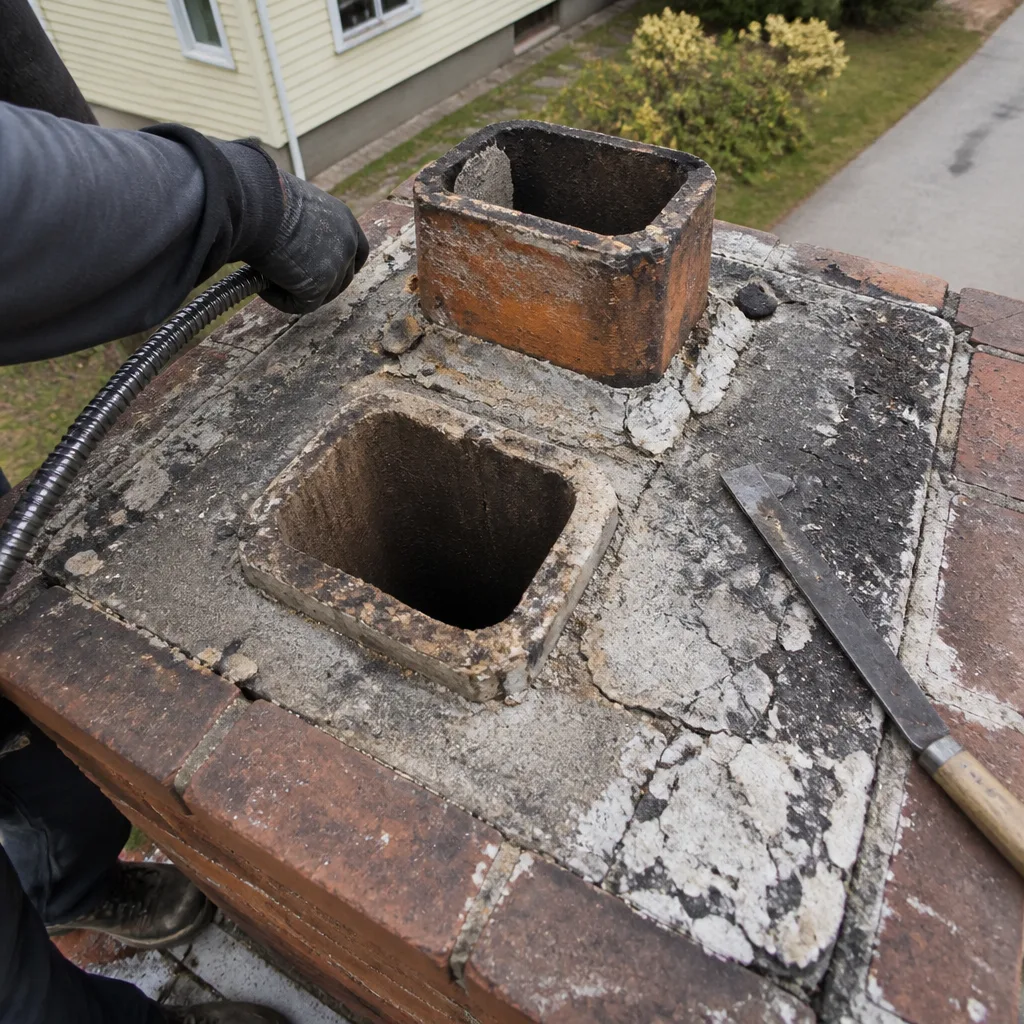 Before
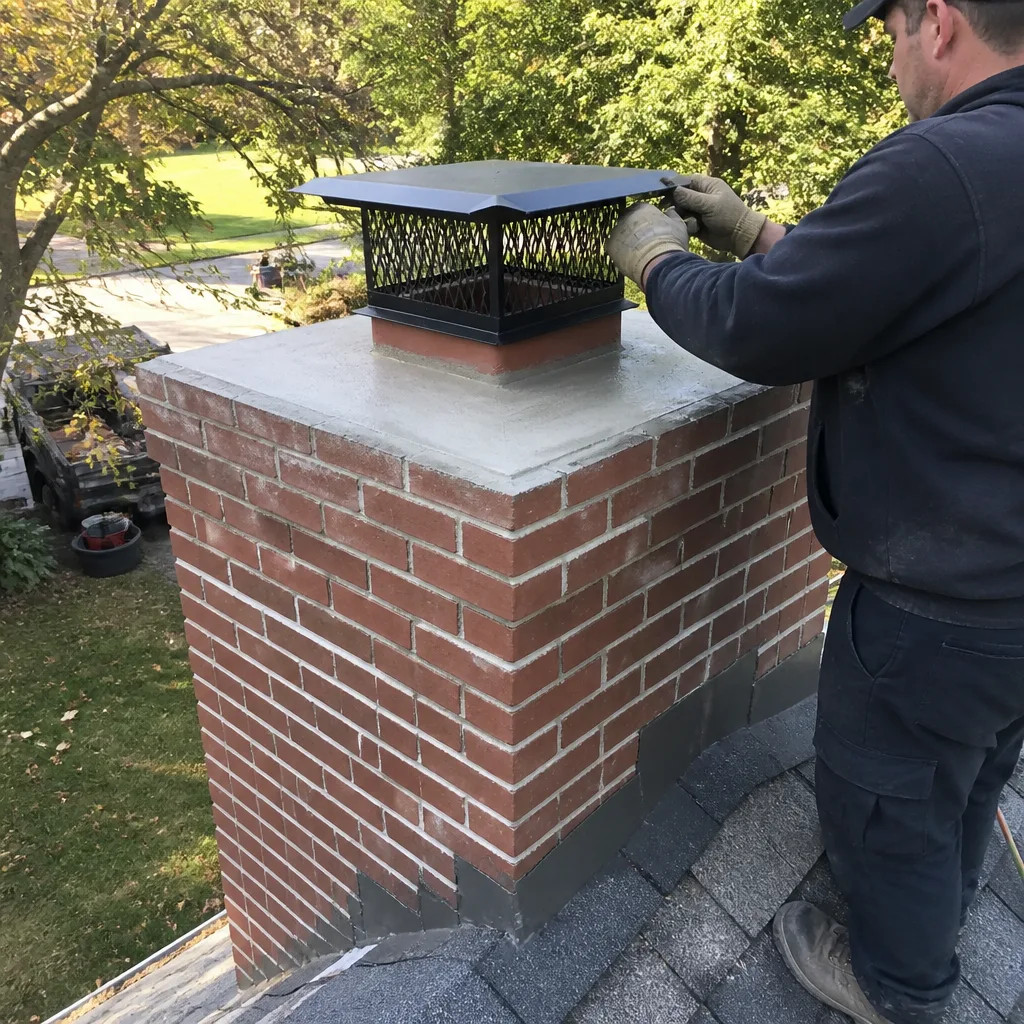 After
After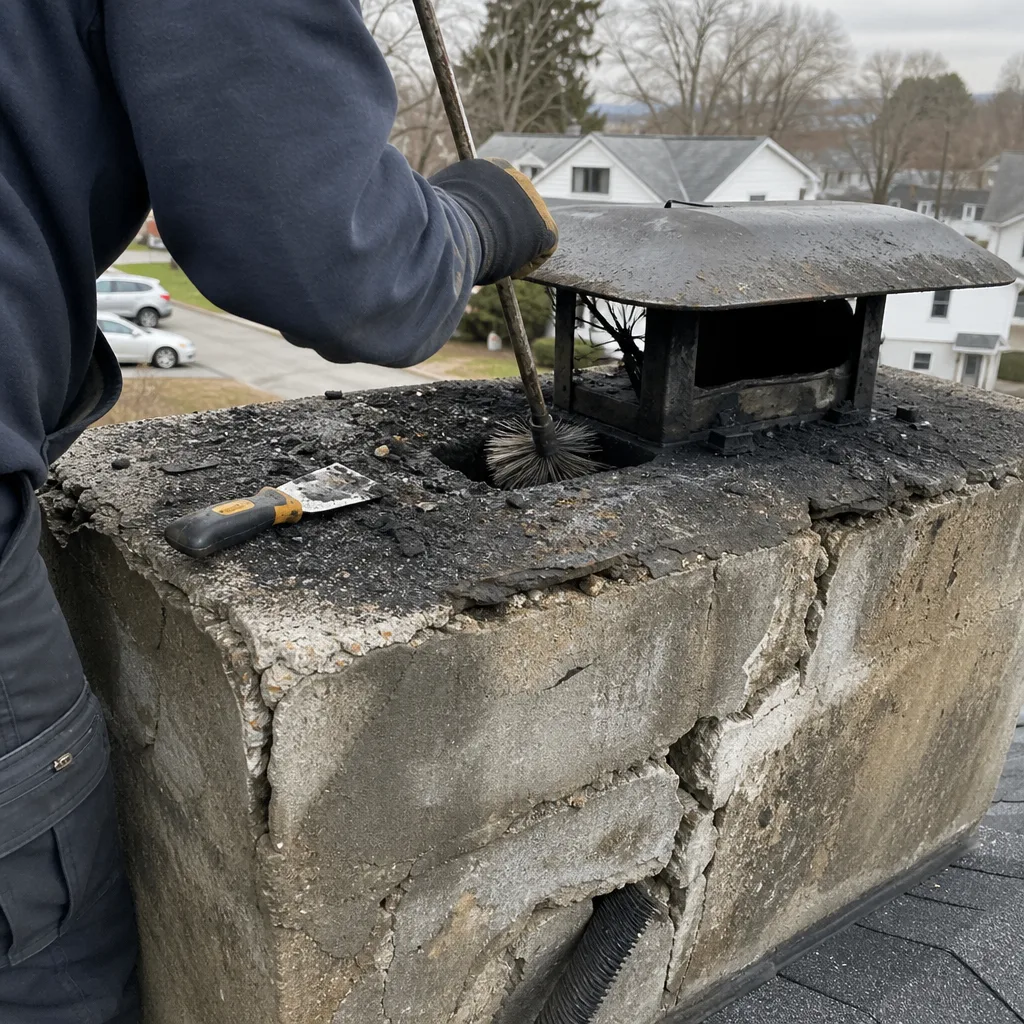 Before
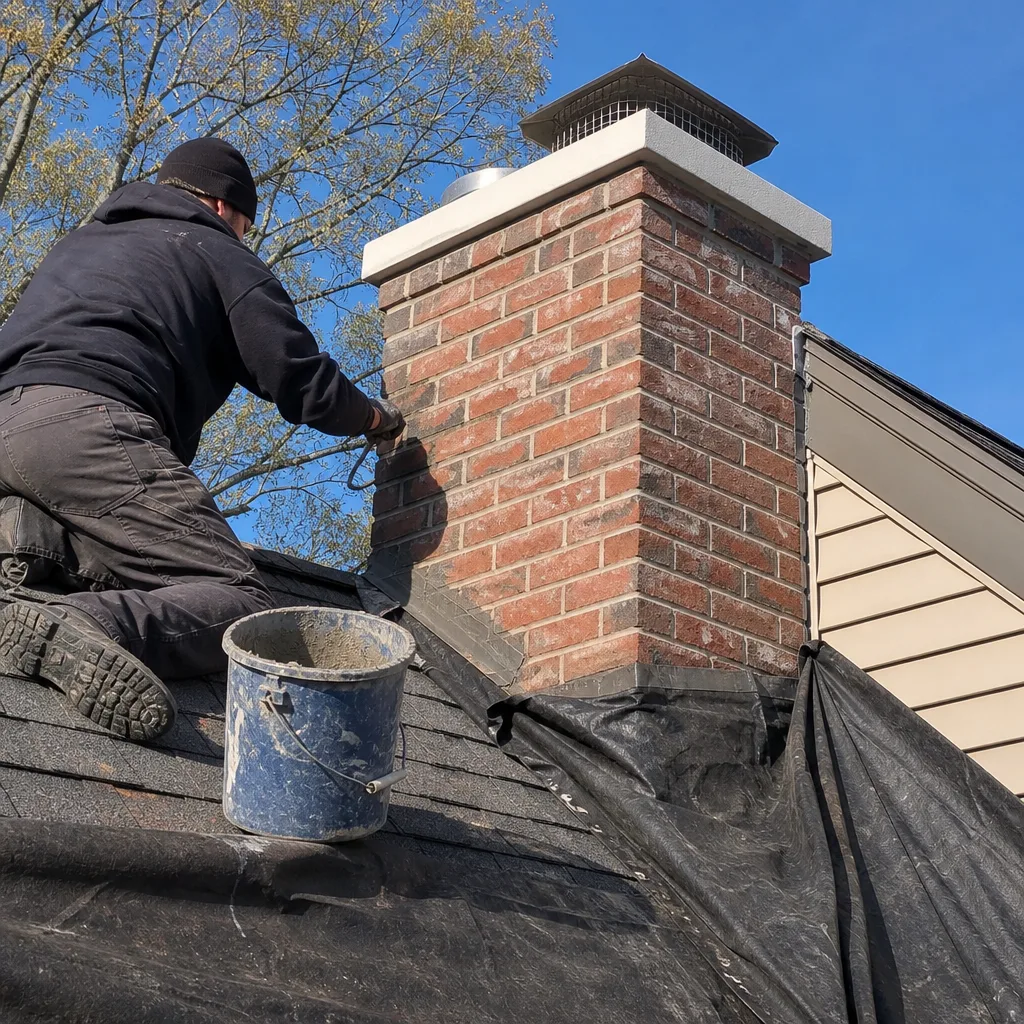 After
AfterChimney Cleaning Permits, Codes & Inspections in MA: What You Need to Know
After a chimney fire, the first thing a homeowner’s insurance adjuster asks is whether the system had a current inspection on record. Massachusetts doesn’t mandate annual chimney inspections by statute, but your policy almost certainly does - buried in a clause most people never read until they need to file a claim. In Attleboro, where we see more freeze-thaw damage to masonry than coastal towns and more oil-to-gas conversions than rural communities, that gap between what the state requires, what the city enforces, and what your insurer demands costs homeowners thousands in uncovered claims or unnecessary repairs. This guide - alongside our Complete Guide to Chimney Cleaning in Attleboro - untangles those three threads so you know exactly what applies to your chimney, your timeline, and your wallet.
Quick Answer
Massachusetts does not require annual chimney inspections by law, but NFPA 211 recommends them yearly for any used system. Building permits are required in Attleboro only for structural changes, new appliance installations, or liner replacements - not for routine cleaning. Your homeowner’s insurance policy, however, likely requires documented maintenance as a condition of coverage, and claims can be denied without it.
Table of Contents
- Massachusetts Chimney Code vs. NFPA 211: What’s Actually Required
- When You Need a Permit in Attleboro - and What the Process Looks Like
- What Insurance Companies Mean by “Properly Maintained”
- Liner Replacement and Cap Installation Code in MA
- Selling Your Home: Chimney Disclosures and Buyer Inspections
- What Level of Inspection Do You Need?
- Documentation That Protects You
- Common Mistakes to Avoid
- When to Call a Professional
- Frequently Asked Questions
Massachusetts Chimney Code vs. NFPA 211: What’s Actually Required
Here’s where the confusion starts, and where Attleboro homeowners get caught.
The Massachusetts State Building Code, based on the International Building Code with state amendments, governs chimney construction, repair, and modification. It is enforced by local building inspectors. The code is concerned with structural integrity, clearances to combustibles, and proper venting - but it is largely silent on ongoing maintenance. There is no Massachusetts statute that says “thou shalt sweep thy chimney annually.”
The NFPA 211 Standard for Chimneys, Fireplaces, Vents, and Solid Fuel-Burning Appliances is different. Published by the National Fire Protection Association, it is a nationally recognized standard, not a law. It recommends annual inspection of all chimneys, fireplaces, and vents, and cleaning as needed. In Massachusetts, NFPA 211 is referenced by many local fire departments, insurance policies, and - critically - by the Board of Building Regulations and Standards when evaluating whether work was done to accepted practice.
What this means in practice: if your chimney fails and damages your home, the building code won’t fine you for skipping inspections. But your insurance company may deny your claim, citing failure to follow NFPA 211. We’ve seen this exact scenario in Attleboro’s South Attleboro neighborhood, where a 2019 flue fire led to a six-month dispute because the homeowner had no inspection records - or any Chimney Cleaning Warning Signs reference - from the prior three years.
The distinction matters for another reason. Massachusetts code triggers only when work is performed - new construction, renovation, appliance change-out. NFPA 211 applies to ongoing operation. One is about how it’s built. The other is about how you keep it safe.
Key differences at a glance:
- Massachusetts Building Code: Legally enforceable. Applies to construction, modification, repair. Enforced by Attleboro Building Department. Violations can stop work or require remediation.
- NFPA 211: Industry standard, not law. Recommended practice for maintenance and inspection. Enforced by your insurance policy, not the city.
- Local fire codes: Attleboro Fire Prevention enforces carbon monoxide detector requirements and can order hazardous chimneys out of service, but does not conduct routine inspections of private homes.
For homeowners in Attleboro’s older neighborhoods - the capes and ranches built in the 1950s and 60s near Highland Park, or the Victorian-era homes closer to downtown - this gap is especially risky. These systems were built to codes from another era, often with unlined brick flues or clay liners that have degraded. The building code doesn’t make you upgrade them. NFPA 211 says they need annual evaluation. And your insurance policy decides which standard matters when you file a claim.
When You Need a Permit in Attleboro - and What the Process Looks Like
Attleboro’s Building Department, located at 77 Park Street, issues permits for chimney work under the Massachusetts State Building Code. Not every sweep or repair needs a permit. Knowing the difference saves you from unpermitted work that can derail a home sale or from paying permit fees for routine maintenance that doesn’t require them.
Work that DOES require a permit in Attleboro:
- New chimney construction or complete rebuilds
- Chimney liner replacement - this is the most common permitted project we see
- New appliance installation connected to a chimney (wood stove, fireplace insert, gas or oil boiler)
- Structural modifications to the chimney, including crown rebuilds that change dimensions or load
- Relining a chimney for a different fuel type - oil to gas conversions are common in Attleboro’s Bungay Heights area and require permit verification
Work that does NOT require a permit:
- Routine chimney sweeping and cleaning
- Level 1 or Level 2 inspections
- Chimney cap installation (unless structural modifications to the crown are needed)
- Minor masonry repointing that does not alter structure
- Damper repair or replacement
The permit process in Attleboro is straightforward but specific. The homeowner or contractor submits an application with a description of work, often with a diagram or manufacturer’s specifications for liners or appliances. The fee for a typical liner replacement permit runs between $75 and $150 depending on project value. An inspector visits at rough-in (for new construction or liner installation, before closing up) and at final completion. The inspector verifies clearances, proper materials, and compliance with manufacturer instructions.
Here’s where Attleboro’s climate creates a local wrinkle. Our freeze-thaw cycles - more severe than coastal Massachusetts, less buffered than Boston’s urban heat island - accelerate crown and mortar deterioration. We’ve inspected chimneys in the Pleasant Street corridor where water infiltration from a cracked crown led to liner failure within two seasons. When that liner gets replaced, the permit inspection catches whether the crown repair was done properly too. Skipping the permit means skipping that verification.
One more Attleboro-specific note: the city participates in the Massachusetts Stretch Energy Code in some zoning districts, which affects new construction and major renovations. For existing chimneys, this doesn’t change permit requirements, but it does mean new appliance installations may need to meet higher efficiency standards, which can affect liner sizing and material selection.
At Hearthstone Chimney Co. home, we handle permit applications as part of our liner replacement and rebuild projects. The homeowner sees the paperwork, the fee is itemized in our upfront pricing, and we coordinate inspections so you’re not waiting around for the city.
What Insurance Companies Mean by “Properly Maintained”
This is the clause that burns homeowners who did everything “by the book” - except read their policy.
Standard Massachusetts homeowner’s insurance policies contain language requiring the policyholder to maintain the property in “good repair” or “properly maintained” condition. For chimneys, this is interpreted to mean compliance with NFPA 211’s inspection and cleaning recommendations. Some policies are explicit. Others bury the requirement in general maintenance clauses. Either way, after a fire, the adjuster will request:
- Records of annual inspections
- Documentation of any repairs performed
- Proof that the system was cleaned and in safe operating condition
We’ve worked with Attleboro homeowners who had cleaned their chimneys themselves, or hired a sweep who provided no written report, and found their claims reduced or denied. “Properly maintained” in insurance language means documented maintenance by a qualified professional. Your word, or a receipt for a brush and rods from the hardware store, doesn’t satisfy it.
What satisfies the standard:
- A written inspection report from a CSIA-certified sweep or equivalent, dated within 12 months of the incident
- Photographic documentation of the flue condition - this is why our Level-2 inspections include camera footage the homeowner can see and keep
- Records of any recommended repairs being completed, with dated invoices
- Proof of annual cleaning for wood-burning systems, or as-needed cleaning for gas and oil
The documentation gap hits hardest in Attleboro’s long-tenured neighborhoods. Homeowners who’ve lived on West Street or in the Adamsdale area for thirty years often have the same oil boiler, the same chimney, and the same “if it ain’t broke” approach. Their policies renewed automatically. They never read the fine print. Then a chimney fire or CO incident triggers an investigation, and the absence of records becomes a coverage issue.
One case from 2021: a homeowner on County Street had a flue fire that caused $18,000 in roof and attic damage. Their insurer paid the claim but subrogated against the chimney sweep company they’d used two years prior, arguing the sweep should have identified the hazard. The sweep had no photos, no written report, and no defense. The homeowner was caught in the middle for months.
Our approach: every Chimney Cleaning & Sweep in Attleboro ends with a dated, photo-documented report. Not because we’re anticipating litigation, but because it’s the only way to prove the work was done and the condition was recorded. Photos you can see, a plain-English verdict - that’s the standard we hold ourselves to.
Liner Replacement and Cap Installation Code in MA
Liner replacement is where Massachusetts code, manufacturer standards, and proper installation practice converge. It’s also where shortcuts are most common and most dangerous.
Under the Massachusetts State Building Code, any chimney liner replacement requires a permit and inspection. The code specifies:
- Material compatibility: The liner must be listed for the fuel type and appliance being vented. Stainless steel liners for wood and gas, appropriate alloys for oil - we use DuraFlex and Olympia Chimney products specified for each application.
- Sizing: The liner must be sized according to NFPA 211 and the appliance manufacturer’s instructions. An oversized liner for a gas appliance causes condensation and corrosion. An undersized liner for a wood stove creates drafting problems and creosote buildup.
- Insulation: When required by manufacturer listing or local amendment, liners must be insulated with appropriate refractory insulation - not stuffed with loose fill, but proper blanket or pour-in systems.
- Connections: The liner must be properly connected to the appliance collar or thimble, with no gaps, and sealed at the top with a proper termination.
The Attleboro building inspector verifies these points at rough-in and final. We’ve seen permits fail because a liner wasn’t insulated when the manufacturer required it, or because the top plate was caulked instead of mechanically secured. The code is specific because the stakes are high: a failed liner can leak carbon monoxide into living spaces or allow chimney fires to reach combustible framing.
Chimney cap installation occupies a gray area. A standard cap - mesh screening, proper overhang, secured to the flue tile or crown with masonry screws - does not require a permit in Attleboro. But caps that involve crown modification, flue extension, or multi-flue custom fabrication may trigger permit requirements if they alter the chimney structure or dimensions.
In Attleboro’s leaf-heavy neighborhoods near the Ten Mile River or Willett Pond, cap selection has practical consequences beyond code. We install Gelco and Famco caps with proper mesh sizing - small enough to keep out squirrels and birds, large enough that creosote flakes don’t clog the screen and cause smoking problems. The wrong cap, installed without considering local conditions, creates a maintenance headache that outlasts any permit inspection; see our Chimney Cleaning & Sweep Maintenance Checklist for Attleboro Homeowners for cap selection guidance.
For crown-mounted caps on deteriorated crowns, we often recommend crown repair or rebuild using professional-grade materials before cap installation. HeatShield has applications here for minor crown restoration. The code doesn’t require it for cap-only work, but the cap won’t seal properly on a crumbling surface, and the homeowner pays twice.
At Chimney Repair in Attleboro, we assess the full system before specifying liner or cap work. The permit covers code compliance. Our inspection covers whether the work will actually last in Attleboro’s conditions.
Selling Your Home: Chimney Disclosures and Buyer Inspections
Attleboro’s real estate market has tightened in recent years, and chimney issues are increasingly deal points in home sales. Understanding your obligations as a seller - and how to protect yourself - prevents last-minute surprises at the closing table.
Massachusetts disclosure law requires sellers to disclose known defects that affect the property’s value or safety. This includes chimney conditions you’re aware of: a cracked flue liner, a leaking crown, a damper that doesn’t seal. “I didn’t know” is a defense only if you genuinely didn’t know and had no reason to. A decade of smoky fireplaces and a patched-over damper suggest you had reason.
Buyer inspections in Attleboro typically include a general home inspection, which covers visible chimney components. General inspectors are not chimney specialists. They flag conditions that warrant further evaluation - cracks, staining, improper clearances - and recommend a Level 2 inspection by a qualified sweep. This is where documented maintenance history becomes a selling asset.
A seller with five years of annual Level-2 inspection reports, photos showing stable conditions, and invoices for recommended repairs can hand that file to the buyer and their insurer. It answers questions before they’re asked. We’ve had Attleboro homeowners in the Hebronville area use this documentation to justify their asking price and avoid credits at negotiation.
Conversely, a seller with no records faces:
- Buyer-requested Level-2 inspection, often at seller expense or as a credit
- Repair credits based on the buyer’s contractor’s estimate, which may be inflated
- Insurance complications for the buyer, who may need documentation to bind their policy
- Potential renegotiation or delayed closing if significant work is identified
The smartest approach: have your chimney inspected before listing, not after the buyer’s inspector finds something. Address what needs addressing. Document what doesn’t. Disclose honestly with records in hand. A chimney with a clean bill of health and a file of photos is worth more than one with mystery.
For Fireplace Services in Attleboro homeowners considering sale, we offer pre-listing inspections that produce the same documentation a buyer’s inspector would request - but on your timeline, with your control over repairs.
What Level of Inspection Do You Need?
NFPA 211 defines three levels of inspection. Most Attleboro homeowners need Level 1 or Level 2. Level 3 is rare and typically follows a significant event.
Level 1 Inspection: Visual examination of readily accessible portions of the chimney exterior, interior, and connecting appliance. No tools, no camera, no climbing on the roof. Appropriate when:
- The system hasn’t changed and you’re continuing prior use
- You’re having routine annual maintenance
- No problems are suspected
Level 1 is the minimum for insurance documentation, but it’s limited. It cannot evaluate the flue liner’s interior condition, which is where most hidden hazards develop.
Level 2 Inspection: Everything in Level 1, plus examination of accessible areas in attics, crawl spaces, and basements, and video scanning of the flue interior. Required when:
- Any change to the system - new appliance, liner, or fuel type
- Before property sale or transfer
- After a chimney fire, earthquake, or other damaging event
- When problems are suspected but not confirmed
This is our standard recommendation for Attleboro homeowners, and it’s what we perform for our $89 Seasonal Tune-Up when a Level 1 isn’t sufficient. The camera inspection reveals cracks, gaps, creosote buildup, and obstructions that visual inspection misses. We provide the video file and still images with our written report.
Level 3 Inspection: Includes demolition or removal of components to access concealed areas. Reserved for:
- Investigating hazards identified in Level 1 or 2 that cannot be evaluated otherwise
- After a serious fire or structural event
- When concealed damage is suspected and must be verified
We’ve performed three Level 3 inspections in Attleboro in 42 years. They’re that uncommon for typical residential systems.
The inspection level affects your documentation. A Level 2 with camera evidence satisfies insurance requirements more thoroughly than Level 1. For homeowners in Attleboro’s historic districts, where unlined chimneys and modified flues are common, Level 2 is almost always the right starting point.
Documentation That Protects You
Paperwork is boring until it isn’t. The right documents, kept in a file you’ll hopefully never need, transform a disputed insurance claim into a straightforward one and a nervous buyer into a confident one.
What to keep, and for how long:
| Document | What It Proves | Keep For |
|---|---|---|
| Annual inspection report with photos/video | System was evaluated by a qualified professional | Duration of ownership + 7 years |
| Cleaning invoices with date and scope | Maintenance was performed as recommended | Duration of ownership + 7 years |
| Repair invoices with materials specified | Work was done to code with proper materials | Permanent |
| Permit applications and inspection sign-offs | Work was inspected and approved by the city | Permanent |
| Manufacturer warranties (liners, caps, appliances) | Product defects are covered | Warranty term + 2 years |
| Insurance policy with maintenance clauses highlighted | You understand your obligations | Policy term + 3 years |
Digital storage is fine - scans, photos of paper documents, cloud backup. What matters is that you can produce it when asked, not that it’s in a filing cabinet.
For Attleboro homeowners, we recommend one additional step: note the weather conditions around inspection dates. Our freeze-thaw cycles in January and February create predictable patterns of damage. An inspection report from March that notes “no cracks observed” followed by a February fire helps establish that damage occurred between inspections, not from long-term neglect. We’ve used this timeline documentation to assist homeowners in insurance disputes.
The 90-Day Done Right Promise governs our work, but documentation governs everything else. In writing, no arguing - that’s our standard for repairs. Your standard for maintenance should be the same.
Common Mistakes to Avoid
- Assuming “no permit needed” means “no standard applies.” Even unpermitted work must meet code. A liner installed without a permit that fails to meet manufacturer specifications is a liability, not a savings.
- Hiring based on price alone for inspection-only services. The $49 sweep with no written report saves nothing if your claim is denied for lack of documentation. In Attleboro’s competitive market, legitimate sweeps charge for legitimate work.
- Ignoring the insurance clause until you need it. Read your policy’s maintenance requirements now. Call your agent with questions. The time to understand your coverage is before a fire, not after.
- Disclosing “I don’t know” on seller forms when you have records. If you’ve had inspections, say so and provide them. Partial disclosure looks like hiding something. Full disclosure with documentation looks like responsible ownership.
- Assuming gas and oil systems don’t need inspection. They burn cleaner than wood but still produce corrosive condensation and can suffer liner failure. We’ve replaced failed gas liners in Attleboro’s ranch-style homes where homeowners assumed “no soot, no problem.”
- Letting the buyer’s inspector choose your chimney company. Their recommended contractor may not know Attleboro’s specific conditions or may inflate repair estimates. Establish your own relationship with a local sweep who documents everything.
- Throwing away old records when you sell. Keep documentation for seven years post-sale. Defect claims can arise, and your records protect you from disputes about what you knew and when.
When to Call a Professional
Call a qualified chimney sweep when your annual inspection is due, when you’re buying or selling a home, when you’ve changed appliances or fuel types, or when you notice any change in performance - smoke backup, odd odors, visible cracks, or water stains. Don’t wait for a problem to become an emergency.
In Attleboro, where our freeze-thaw cycles punish masonry and our older housing stock includes systems built to outdated standards, professional evaluation isn’t a luxury. It’s the only way to know what you actually have.
Hearthstone Chimney Co. offers free estimates in Attleboro. Our Level-2 inspections include camera footage you can see, written reports you can keep, and plain-English verdicts on what needs attention now, what can wait, and what your documentation should include. Call (508) 545-9737. A live person answers, 24 hours a day.
Frequently Asked Questions
No. Massachusetts does not have a statute requiring annual chimney inspections for existing residential systems. However, NFPA 211 recommends annual inspection for all used chimneys, and most homeowner’s insurance policies require documented maintenance as a condition of coverage. Call (508) 545-9737 for a free estimate - our Level-2 inspection provides the documentation your policy expects.
Level-1 inspections typically range from $100 to $200 in the Attleboro market. Level-2 inspections with camera evaluation run $250 to $400 depending on accessibility and number of flues. Hearthstone’s $89 Seasonal Tune-Up includes Level-1 evaluation with upgrade to Level-2 when conditions warrant. We provide upfront pricing before any work begins - the number on the estimate is the number on the invoice.
No. Routine chimney sweeping and cleaning do not require a building permit in Attleboro. Permits are required for liner replacement, new appliance installation, structural modifications, and new chimney construction. We handle permit applications as part of any project that requires them.
Your homeowner’s insurance may deny or reduce your claim for failure to maintain the system “in good repair.” Without documented annual inspections, you have no proof that the fire was not caused by long-term neglect. In Attleboro, where we’ve seen insurance disputes after flue fires on Babcock Street and Union Avenue, documentation is the difference between covered and uncovered.
Yes. Liner replacement must comply with the Massachusetts State Building Code, which requires proper material listing for the fuel type, correct sizing per NFPA 211 and manufacturer instructions, proper insulation when required, and city inspection at rough-in and final. We use DuraFlex and Olympia Chimney liners specified for each application, and we obtain permits for all liner replacements.
A general home inspector will flag visible concerns and recommend specialist evaluation. A failed or damaged liner, cracked crown, or improper clearances will appear on the report and become a negotiation point. Pre-listing inspection with documentation prevents surprises and strengthens your position. Call (508) 545-9737 to schedule before you list.
The Bottom Line
The gap between Massachusetts law, Attleboro building permits, and your insurance policy’s fine print creates real risk for homeowners who don’t understand where each applies. The state doesn’t make you inspect, but your policy likely does. The city doesn’t permit cleaning, but it does require permits for the liner work that aging Attleboro chimneys increasingly need. And when you sell, disclosure law and buyer expectations converge on the same question: do you have proof this was maintained?
Documentation is the thread that ties these requirements together. Annual Level-2 inspections with camera evidence. Written reports with photos you can see. Permits obtained and inspections passed. Repair records with materials specified. Kept for years, not months. Done right - and we stand behind it.
Written by Russell Haines, Owner at Hearthstone Chimney Co., serving Attleboro since 2014.