
Last updated September 10, 2026
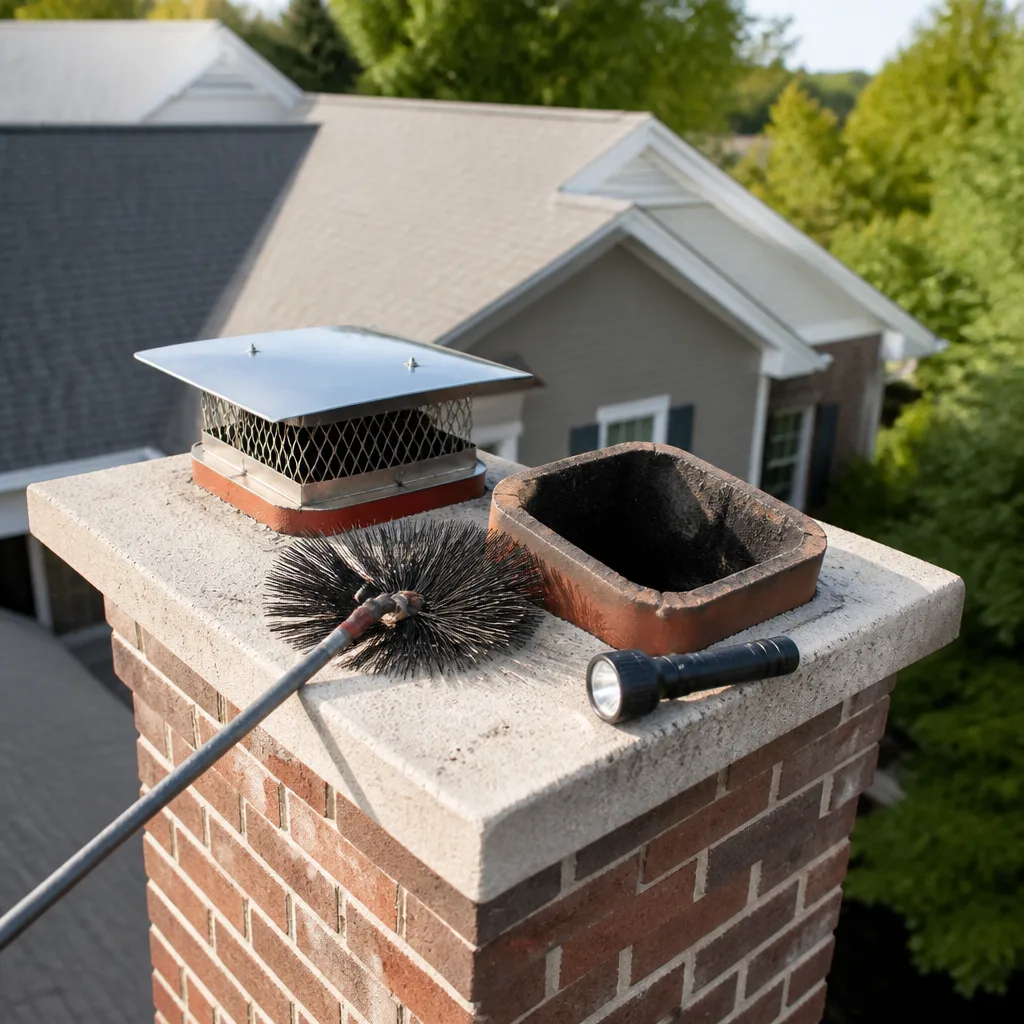
Level 1 sweep and inspection to the NFPA 211 annual standard - flue, crown, cap, and flashing checked and photographed
Chimney sweep logs do not sweep chimneys. They loosen some creosote - which then falls where a brush and vacuum still have to collect it.
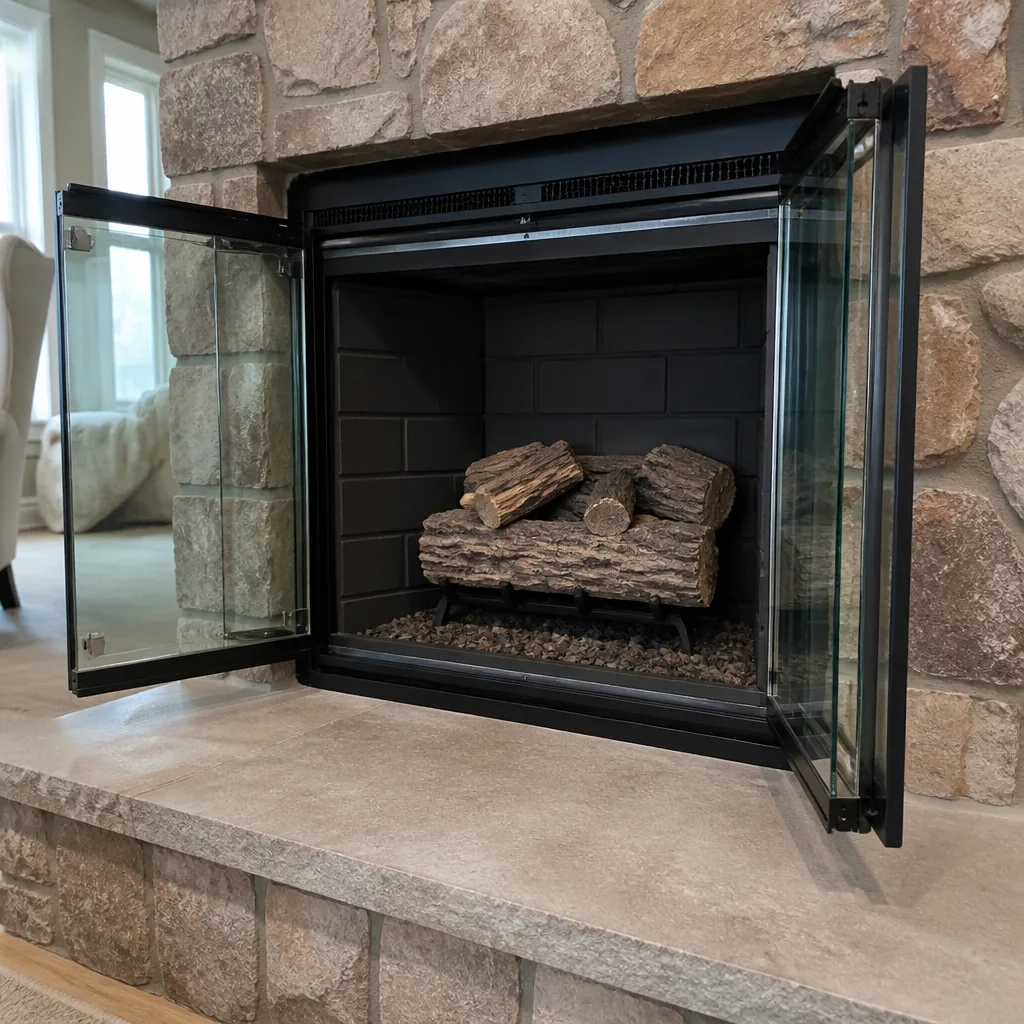
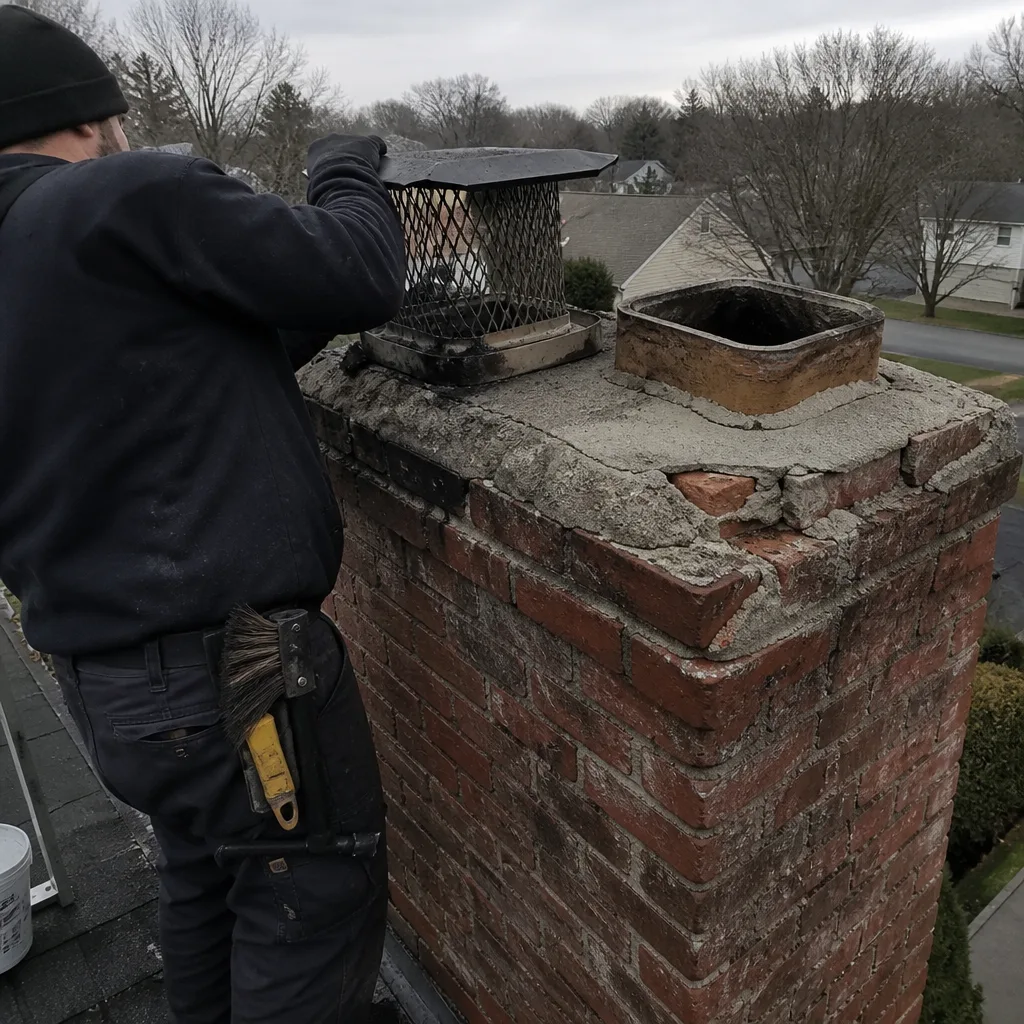 Before
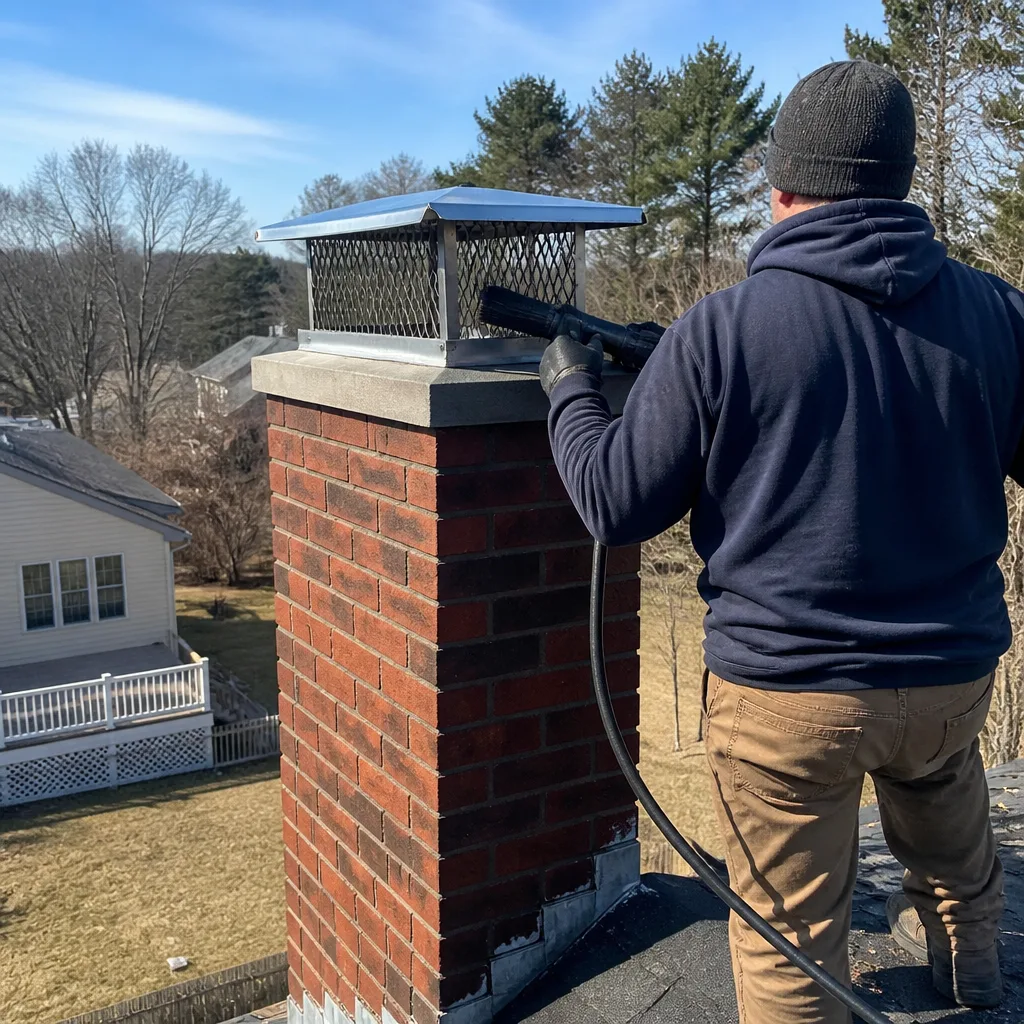 After
After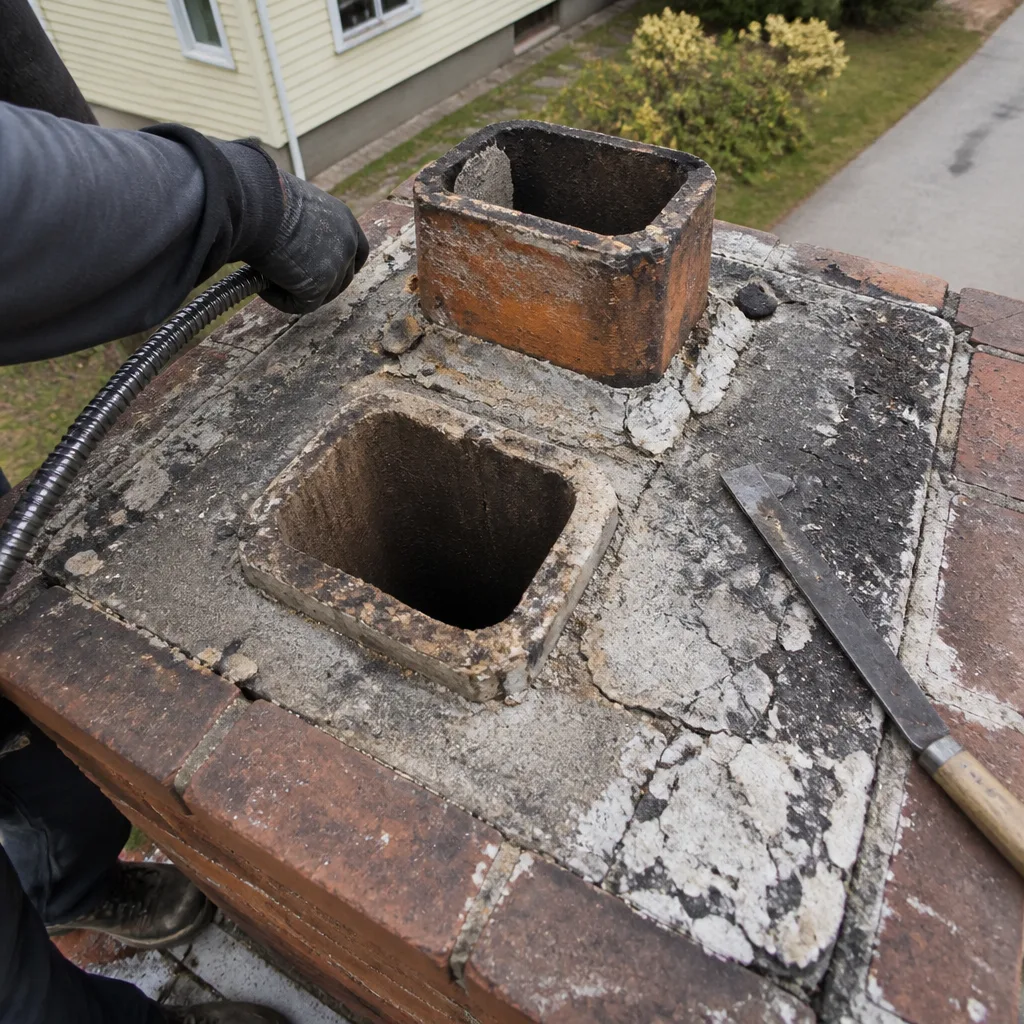 Before
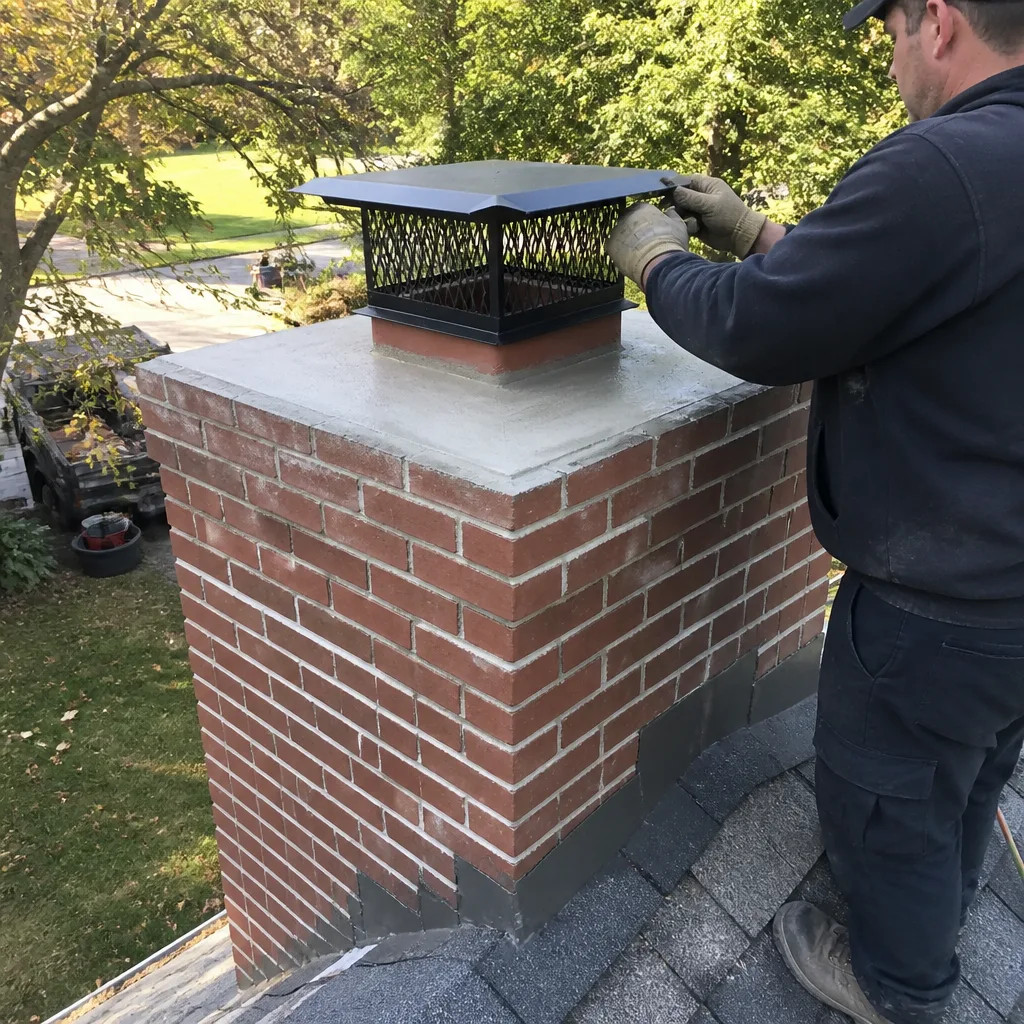 After
After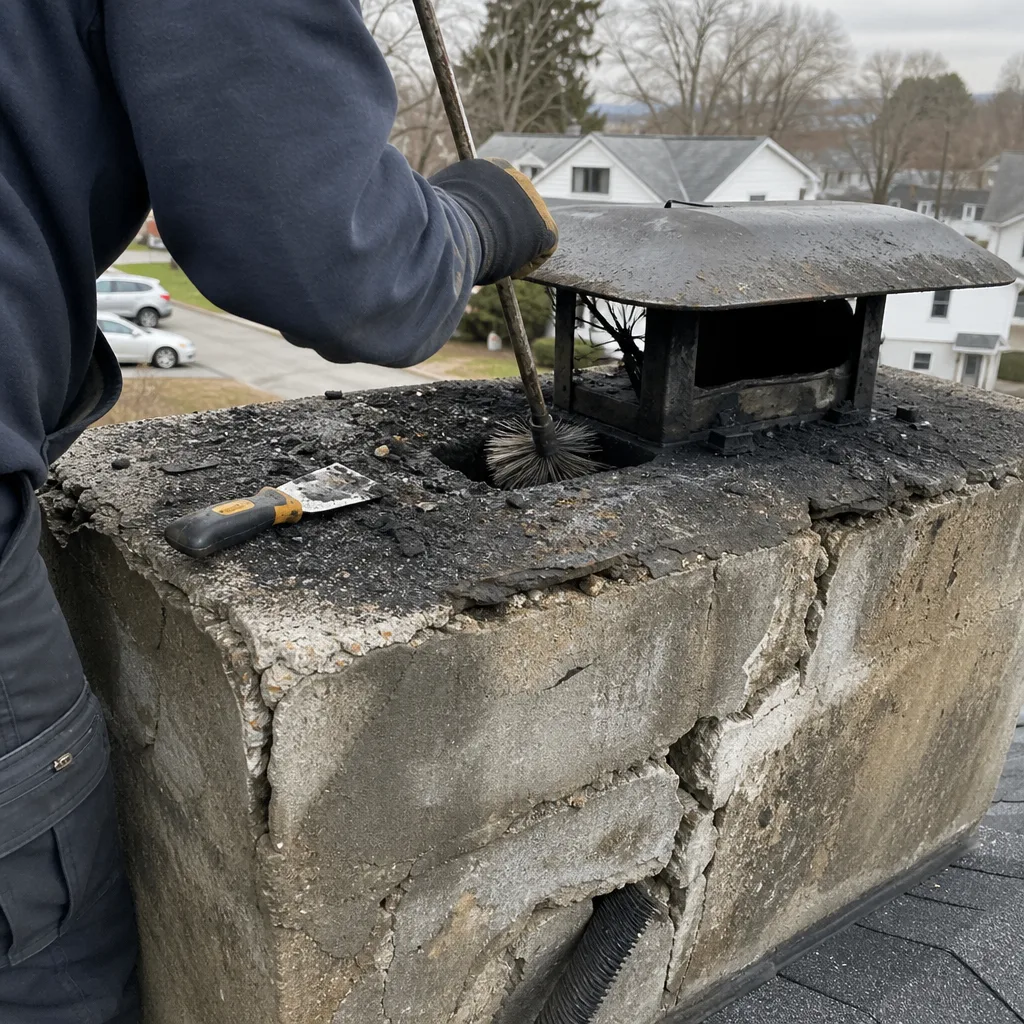 Before
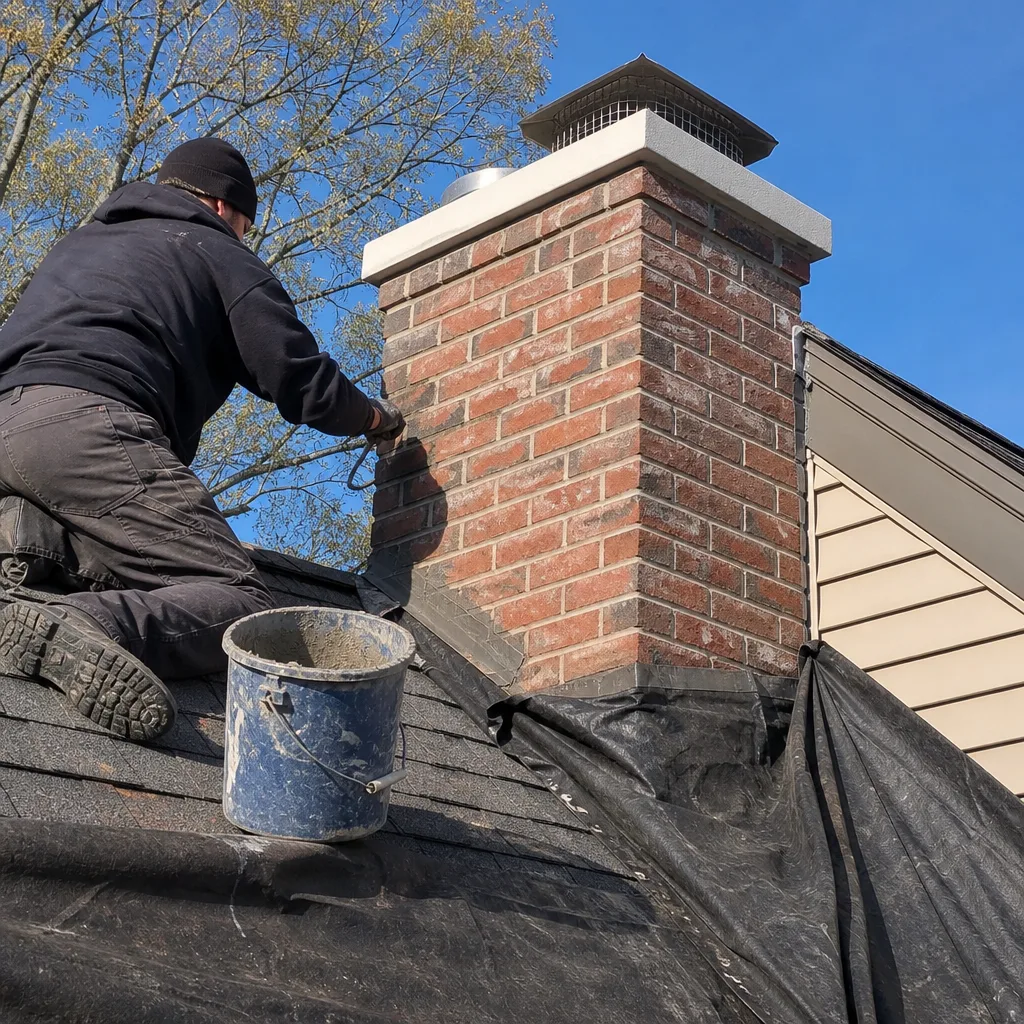 After
AfterSeasonal Chimney Cleaning Care for Attleboro: Year-Round Homeowner’s Guide
September is the one month Attleboro sweep schedules fill up fastest - and the homeowners who wait until October to call are the same ones lighting their first fire of the year into a flue no one has looked at since March. In our 42 years serving Bristol County, we’ve learned that chimneys here don’t wear out evenly across four seasons. Attleboro’s real chimney calendar has two periods of active stress - the burn season and the freeze-thaw shoulder months - and two narrow windows when smart maintenance prevents the expensive repairs that show up in January. This guide maps what to do, when to do it, and what Attleboro’s specific climate does to your chimney that generic national advice misses entirely - and for more guides & resources, see our blog.
Quick Answer
The best chimney care in Attleboro follows a two-inspection rhythm: a Level-2 camera inspection in April after your final fire catches freeze-thaw damage early, and a pre-season sweep in September before flue deposits harden over summer. Skip either window and you’re either burning into hidden damage or letting creosote bond to terracotta flue tiles that a fall sweep could have cleaned easily.
Table of Contents
- Spring: The Inspection That Saves You Money
- Summer: Off-Season Odors and Moisture Damage
- Fall: The Pre-Burn Season Sweep
- Winter: Burning Smart in Attleboro’s Cold Months
- Freeze-Thaw Damage: What Bristol County Weather Does to Brick and Mortar
- Homeowner Checks That Cost Nothing
- Common Mistakes to Avoid
- When to Call a Professional
- Frequently Asked Questions
- The Bottom Line
Spring: The Inspection That Saves You Money
Most Attleboro homeowners we meet schedule their chimney sweep for September or October. That’s sensible - you want a clean flue before the first fire. But the inspection that catches the expensive problems happens in April, after the last burn and before the freeze-thaw cycles of late spring do their worst.
Here’s why timing matters in Bristol County specifically. Our winters run long, and March fires are common. By April, that flue has accumulated a full season’s creosote, plus whatever moisture condensed during shoulder-month burns when the chimney was cold-starting more often. More importantly, the masonry has just endured four to five months of thermal cycling - heated to 400°F or more on burn days, then dropping to 20°F or lower when the fire dies. Hairline cracks in terracotta flue liners that were invisible in November have opened wider. Mortar joints between flue tiles have loosened. The chimney crown, if it had minor cracking, has taken in water that expanded during January’s cold snap.
An April Level-2 camera inspection documents all of this before summer humidity accelerates the damage. We run a camera the full length of the flue, capture photos you can see on screen, and deliver a plain-English verdict: what’s urgent, what can wait, what to monitor. In our experience across Attleboro neighborhoods from Hebronville to South Attleboro, the April inspection catches roughly 60% of the liner damage and crown deterioration that a September pre-season sweep would miss - because by September, minor cracks have widened and water infiltration has stained the damage pattern, making it harder to determine whether a crack is new or old.
The April window also matters for scheduling. Our calendar in April has flexibility that September simply doesn’t. You get the same technician, the same camera inspection, the same written report - without the rush.
Spring tasks for Attleboro homeowners:
- Schedule a Level-2 inspection within 30 days of your final fire
- Request photos of the flue interior and crown condition
- Ask specifically about freeze-thaw damage to mortar joints
- If repairs are recommended, book them for May or June before humidity rises
- Verify your chimney cap is secure after winter wind exposure
One more Bristol County factor: our spring rains arrive heavy and sudden. A chimney with crown cracks or deteriorated flashing takes water fast. The April inspection gives you a repair window before May storms.
Summer: Off-Season Odors and Moisture Damage
June through August is when Attleboro chimneys do their hidden damage. The flue sits unused, temperatures rise, humidity climbs - and the creosote left from winter begins to interact with moisture in ways that produce the sour, smoky odor many homeowners notice on hot July afternoons.
This isn’t just unpleasant. It’s diagnostic. Summer chimney odor tells you two things: you have residual creosote deposits, and you have moisture reaching them. The combination is acidic. Over a single summer, that acidity etches terracotta flue tile surfaces, accelerating the porousness that makes future creosote stick harder. In Attleboro’s older homes, particularly the pre-1950s stock in neighborhoods like Pleasant Street and County Street, we’ve seen flue tiles that measured 3/4-inch thickness in spring drop to 1/2-inch by fall after a humid summer with active creosote interaction.
Moisture sources in summer are specific to our region. Bristol County gets coastal humidity even without rain. Attleboro’s position between Narragansett Bay and Massachusetts Bay means summer air holds more moisture than inland locations. A chimney with a missing or damaged cap, deteriorated crown, or failed flashing becomes a humidity chimney - drawing moist air down the flue even when it’s not raining.
The odor itself is a call to action. If you smell your chimney in July, you need two things: a sweep to remove the creosote that’s reacting, and an inspection to find where moisture is entering. The sweep alone won’t solve it if humidity continues reaching the flue.
Summer is also when we install chimney caps and repair crowns most effectively. Materials cure properly in warm, dry conditions. Gelco stainless caps and HeatShield crown repair products both set best when daytime temperatures stay above 60°F and rain isn’t forecast for 48 hours. Attleboro’s June and early July weather patterns fit this window reliably.
What to do in summer:
- Address any chimney odor immediately - don’t mask it with air fresheners
- Visually inspect your chimney cap from ground level (binoculars help) for tilting, rust, or missing mesh
- Check attic spaces near the chimney for dampness or staining after heavy rains
- Schedule cap or crown repairs for June or July when material curing is optimal
- Close the damper fully to reduce humid air infiltration - but only if you’re certain no birds or animals have entered
One caution: never seal a chimney completely for summer without confirming it’s animal-free. Squirrels and raccoons in Attleboro’s tree-lined neighborhoods commonly explore chimneys in May and June. A sealed flue with an animal inside creates a problem you don’t want.
Fall: The Pre-Burn Season Sweep
September is when Attleboro’s phone lines light up. Homeowners who haven’t thought about their chimney since March remember the first cold morning, feel the urgency, and want someone there this week.
We understand the impulse. But September scheduling has a structural problem: everyone wants the same week. At Hearthstone Chimney Co., we answer with a live person 24 hours a day, 7 days a week - but even with full staffing, the calendar fills. The homeowners who call in early September get their choice of dates. Those who wait until October 15th often face a two-week wait, and they’re lighting fires into flues that haven’t been inspected since the previous year.
The fall sweep serves a different purpose than the April inspection. Where April catches structural damage, September removes deposits that have hardened over summer and verifies that no animals, nests, or debris have blocked the flue during the off-season. In Attleboro’s oak and maple canopy, leaf debris and acorns are real blockages. We’ve extracted squirrel caches that completely occluded flues in homes near Capron Park and the Ten Mile River corridor.
A proper fall sweep includes:
- Full rotary brushing of the flue to remove glazed or hardened creosote
- Visual inspection of the firebox, damper, and smoke chamber
- Check for animal entry, nesting materials, or organic debris
- Verification that the damper opens fully and seals reasonably when closed
- Assessment of whether the April-recommended repairs were completed or still needed
The creosote hardening over summer is a real phenomenon we document regularly. Fresh, powdery creosote from a spring sweep brushes away easily. Creosote that sits through a humid Bristol County summer, especially if moisture has reached it, becomes glazed and adherent. The same flue that would have taken 45 minutes in April needs 90 minutes in October, and the brushing must be more aggressive. This is why we recommend the April inspection plus September sweep rhythm - you’re not paying for harder work that could have been easier.
For homeowners in Attleboro’s 02703 zip and surrounding areas, we offer our $89 Seasonal Tune-Up during September and early October. This includes the sweep, basic inspection, and written condition report. It’s not a substitute for the Level-2 camera inspection, but for chimneys that received full inspection in April, it’s the right maintenance level.
Fall scheduling strategy: call by September 5th. Even if you want a late-September appointment, booking early locks your date. And if the April inspection revealed needed repairs, completing them before the sweep means the technician can verify the repair integrity during the fall service.
Winter: Burning Smart in Attleboro’s Cold Months
January and February in Bristol County test chimneys harder than most New England locations. Attleboro’s position means we get the inland cold - overnight lows in single digits are common - without the coastal moderation that Providence or Newport receive. A chimney in Attleboro works harder to maintain draft on the coldest nights, and homeowner burning habits often make the problem worse.
The most common winter mistake we see: smoldering fires. Homeowners load the stove or fireplace, damp it down for overnight, and let it burn low. This produces maximum creosote with minimum heat. In our 42 years, the chimneys with the heaviest creosote buildup in Attleboro have almost always belonged to homeowners who banked fires overnight. The flue temperature drops below 250°F, smoke condenses instead of exiting, and creosote deposits thicken rapidly.
Proper winter burning for Attleboro’s climate:
- Build smaller, hotter fires rather than large, damped ones - aim for flue temperatures above 300°F sustained
- Use seasoned hardwood only: oak, maple, or ash with moisture content below 20%
- Never burn Christmas trees, painted wood, or construction debris - the rapid heat spikes crack flue tiles
- Open the damper fully before lighting, and keep it open until only embers remain
- Install a magnetic flue thermometer (available at most hardware stores) and stay in the 300-500°F range
- Keep a fire extinguisher rated for Class A fires within 10 feet of the hearth
Winter is also when hidden damage declares itself. If you notice any of these during burning season, stop using the fireplace and call for inspection:
- Smoke entering the room during normal draft conditions
- A hot or discolored wall section near the chimney
- Water dripping into the firebox during a thaw (indicates crown or flashing failure)
- Cracking or spalling brick visible on the exterior, especially after a cold snap
- Unusual odors that differ from normal wood smoke - musty or chemical smells
The 90-Day Done Right Promise applies to all winter work we perform. If a repair we complete in December doesn’t hold through February’s cold, we return. In writing, no arguing. That’s the Keystone Standard we’ve operated under since 1984.
One Attleboro-specific note: homes in the historic districts near downtown, particularly those with original masonry chimneys, often have multiple flues serving former coal or oil conversions. These unlined or partially lined flues are especially vulnerable to cold-weather draft failure. If your home was built before 1940 and you’re burning in a converted flue, the Level-2 camera inspection is not optional - it’s essential safety verification.
Freeze-Thaw Damage: What Bristol County Weather Does to Brick and Mortar
Attleboro’s chimney destruction doesn’t happen in July. It happens in March, and November, and every temperature swing between 35°F and 20°F. The freeze-thaw cycle is the single most destructive force on Bristol County masonry, and most homeowners never see it happening until bricks are falling.
Here’s the mechanism. Water enters masonry through crown cracks, deteriorated mortar joints, or porous brick. At 32°F, it freezes and expands by approximately 9% volume. That expansion forces the crack wider. When temperatures rise above freezing, the ice melts, the water penetrates deeper into the now-wider crack, and the next freeze cycle expands it further. Attleboro typically experiences 60 to 90 freeze-thaw cycles per winter - more than inland Massachusetts, fewer than the immediate coast, but enough to destroy unprotected masonry in five to ten years.
The damage pattern is predictable once you know what to look for. From ground level, inspect your chimney exterior monthly during burning season:
- Spalling: Brick faces that flake or pop off, exposing the softer interior. This means water has entered and frozen repeatedly. Common on south-facing chimney exposures where daytime sun melts ice that refreezes overnight.
- Mortar erosion: Joints that appear sandy, recessed, or missing. In Attleboro’s older neighborhoods, we’ve seen mortar joints recessed more than 1/2-inch, which allows massive water infiltration.
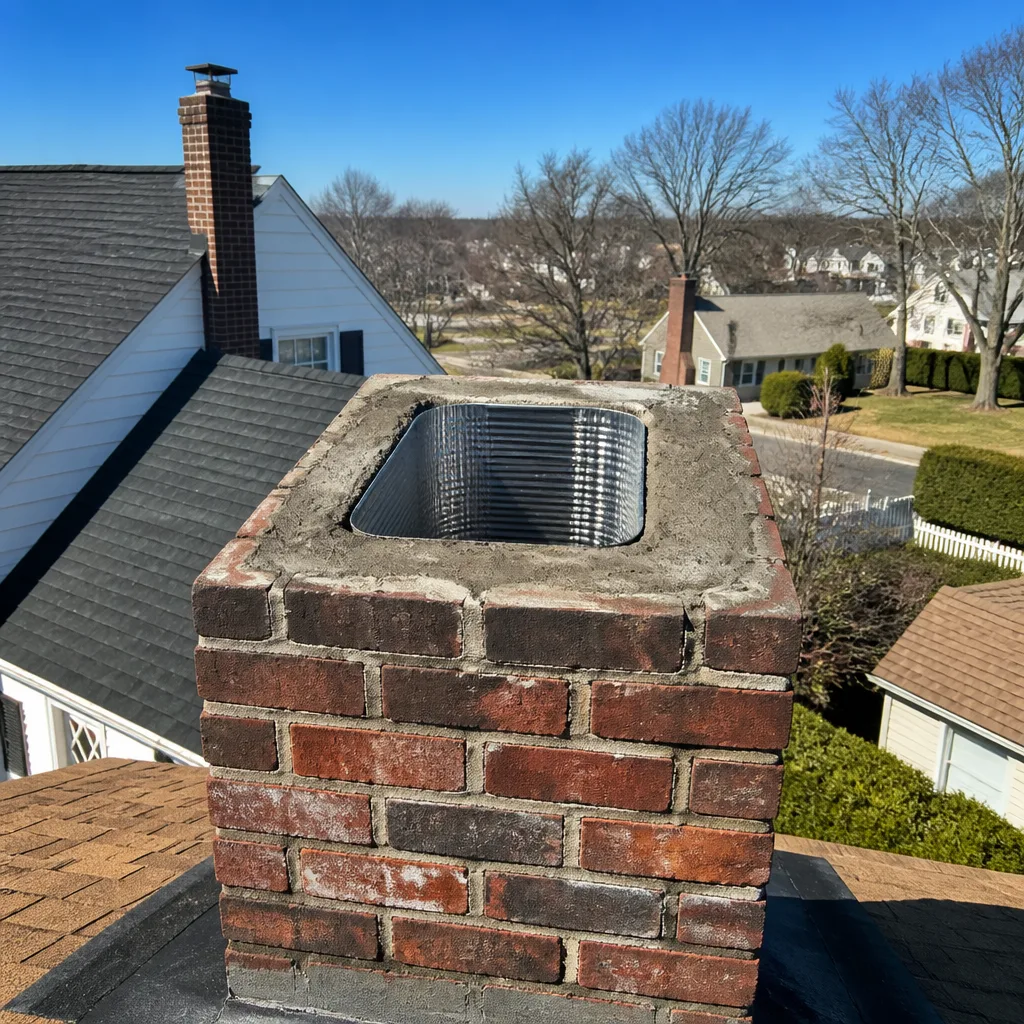
- Crown cracking: The concrete cap at the chimney top. Hairline cracks are normal; cracks wider than 1/8-inch allow water directly into the flue structure.
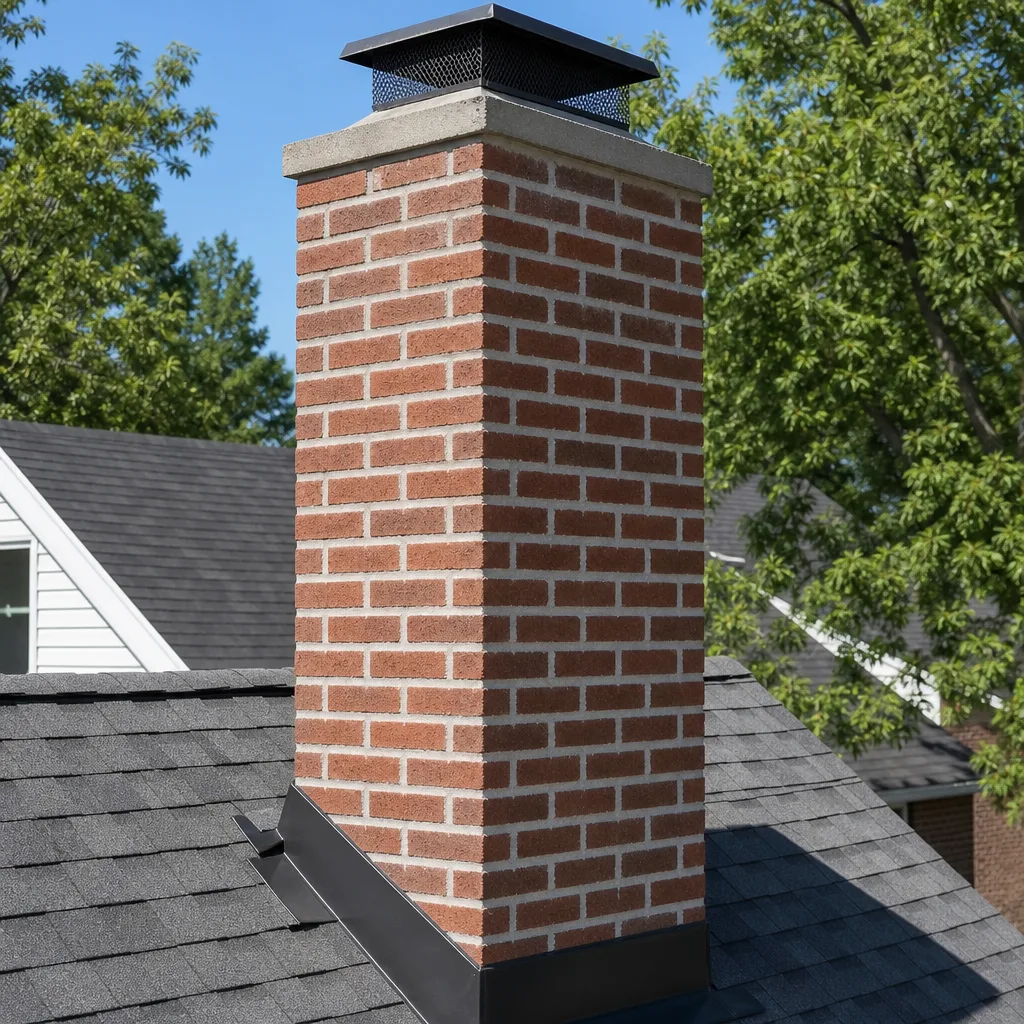
- Flashing separation: The metal where chimney meets roof. If you can see daylight or lift the edge with a finger, water is entering.
The terracotta flue liner inside the chimney suffers its own freeze-thaw damage. Cracks in flue tiles allow combustion gases to reach the surrounding brickwork. Those gases contain moisture. The moisture freezes in the brick, and now you have freeze-thaw damage inside the chimney where you can’t see it without a camera.
We’ve documented this pattern repeatedly in Attleboro’s 1980s and 1990s subdivisions - homes built with quality materials that failed prematurely because the original owners skipped inspections during the critical first decade. A chimney built in 1985 and never inspected until 2005 often needs full liner replacement. The same chimney with biennial Level-2 inspections from 1985 onward typically needs only crown maintenance and occasional repointing.
Prevention is straightforward but not free: keep water out. That means intact crown, functional cap, sound flashing, and repointed mortar before erosion reaches 1/2-inch depth. The cost of preventive maintenance over 20 years is typically one-third the cost of rebuilding a chimney that failed from water infiltration.
Homeowner Checks That Cost Nothing
Between professional visits, there are specific checks an Attleboro homeowner can perform that require no tools, no ladder, and no special knowledge - follow our Chimney Cleaning & Sweep Maintenance Checklist for Attleboro Homeowners for guidance. These aren’t substitutes for professional inspection - they’re early warning systems that tell you when to call.
We recommend these checks seasonally, aligned with the calendar:
Spring (April):
- From ground level, binocular-scan the chimney crown for visible cracks or missing chunks
- Check the attic space directly adjacent to the chimney for dampness or water staining after spring rains
- Operate the damper fully open and fully closed - it should move smoothly and seat without grinding
- Look down the flue from the fireplace opening with a flashlight for visible obstructions or debris
Summer (July):
- Note any chimney odor on hot, humid days - document when it occurs and what weather preceded it
- Visually inspect the chimney cap for tilting, rust, or missing screening
- Check roof flashing from ground level for lifted edges or visible gaps
- Verify exterior brick mortar joints haven’t eroded since spring inspection
Fall (September):
- Confirm damper operation again after summer disuse
- Check firebox for cracked or missing firebrick
- Verify hearth extension is intact and properly sized (minimum 16 inches front, 8 inches sides for open fireplaces)
- Test smoke and CO detectors - this isn’t chimney-specific, but it’s the safety system that matters if the chimney fails
Winter (January):
- During active burning, observe draft behavior - smoke should rise cleanly without lingering
- After heavy snow, verify chimney cap isn’t blocked by snow accumulation
- Check exterior for new spalling or mortar damage after freeze-thaw events
- Listen for animal activity - scratching or chirping from the flue indicates immediate need for professional removal
Each of these checks takes under 20 minutes. The key is doing them consistently and documenting what you find. When you call Chimney Cleaning & Sweep in Attleboro, having dated notes about when an odor started or when you first noticed crown cracking helps us diagnose faster and more accurately.
What not to do: don’t attempt to repair crown cracks with caulk from the hardware store. Don’t apply waterproofing sealants to the exterior without professional assessment - some sealants trap moisture and accelerate damage. And never attempt to clean a flue yourself with household tools - the risk of damaging terracotta tiles or missing structural cracks far exceeds any savings; for details on proper procedures, see our Chimney Cleaning Permits, Codes & Inspections in MA: What You Need to Know.
Common Mistakes to Avoid
- Waiting until October to call. Attleboro’s sweep calendars fill by mid-September. The homeowner who calls October 15th is often burning uninspected for weeks, and the creosote has hardened over summer into glazed deposits that require more aggressive cleaning.
- Skipping the April inspection. The post-season inspection catches freeze-thaw damage when it’s minor and repairable. Wait until September and minor crown cracks have become major water infiltration paths, and the repair cost triples.
- Burning unseasoned wood. In our climate, oak and maple need 18-24 months of covered drying. Green wood burns at lower temperatures, produces more creosote, and creates the acidic moisture that damages flue tiles. We’ve seen chimneys with two seasons of green-wood use require liner replacement.
- Ignoring summer odor. The sour smell in July isn’t “just how chimneys are in humidity.” It’s active chemical degradation of creosote that’s etching your flue tiles. Address it when you notice it, not when September scheduling opens.
- Assuming a gas insert means no chimney maintenance. Gas appliances produce corrosive condensation, especially in Attleboro’s cold-start conditions. The flue still needs inspection, and the venting system requires specific clearances that only a camera inspection verifies.
- Hiring based on lowest price without verifying what’s included. A sweep without camera inspection, without photos, without written report - you’re paying for brushing, not for diagnosis. The $50 you save costs $2,000 when liner damage goes undetected.
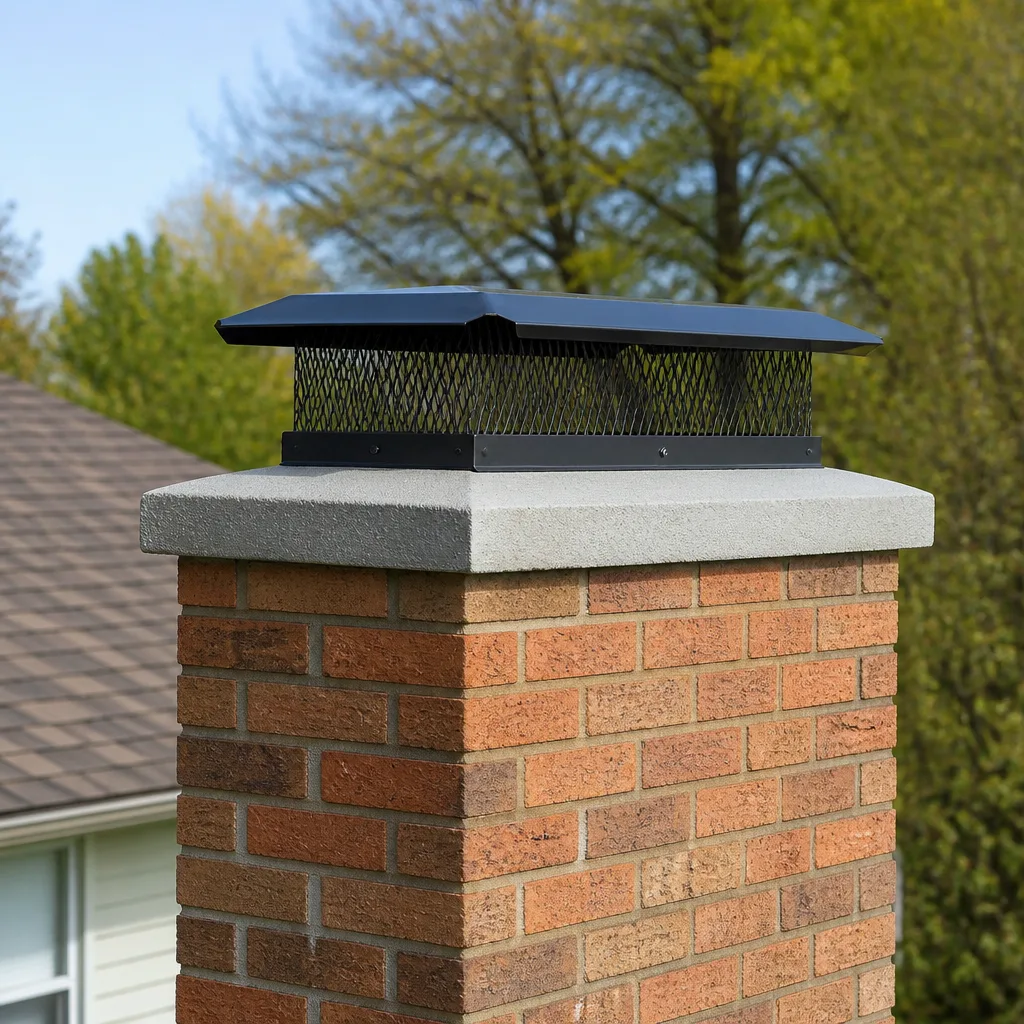
- Neglecting the chimney cap. It’s a $200-400 component that protects a $10,000+ structure. In Attleboro’s tree canopy, caps prevent debris, animal entry, and direct rainfall. A missing cap is a chimney failure in progress.
When to Call a Professional
Some situations require immediate professional attention. Stop using your fireplace and call if you observe smoke entering living spaces, visible cracks in exterior masonry that widen during freeze-thaw cycles, water dripping into the firebox, or any animal activity in the flue. These aren’t maintenance items - they’re safety hazards.
Schedule professional service promptly for any chimney odor that persists beyond a single day, damper operation that grinds or sticks, or if your last professional inspection exceeds two years. For homes with active burning more than three times weekly, annual inspection is the minimum regardless of apparent condition.
Chimney Repair in Attleboro requires specific expertise in freeze-thaw masonry assessment and proper material selection for our climate. Hearthstone Chimney Co. offers free estimates in Attleboro - call (508) 545-9737. Our technicians are background-checked, uniformed, and complete most jobs in a single visit. You’ll receive photos you can see, a plain-English verdict, and no-hassle upfront pricing. The number on the estimate is the number on the invoice.
Frequently Asked Questions
A standard chimney sweep in Attleboro typically ranges from $150 to $250 for a single flue with basic inspection included; for a deeper look at pricing, read our Chimney Cleaning Cost Breakdown: The Attleboro Homeowner’s Reference for 2026. A Level-2 camera inspection with photo documentation runs $250 to $400 depending on flue accessibility and number of flues. Hearthstone Chimney Co. offers a $89 Seasonal Tune-Up during September and early October that includes sweeping and basic condition assessment. Call (508) 545-9737 for an exact quote - estimates are free.
The National Fire Protection Association recommends annual inspection for all chimneys, and sweeping when creosote buildup exceeds 1/8-inch. For Attleboro homeowners who burn regularly - three or more times weekly during heating season - that means annual sweeping. Occasional burners may extend to every two years with annual inspection. Our 42 years of Bristol County service confirms that the homeowners with the lowest lifetime chimney costs are those who maintain the annual rhythm without exception.
This is the right question to ask. A legitimate liner recommendation comes with camera photos showing cracks, gaps, or deterioration that you can see for yourself, plus a written explanation of why the condition creates hazard. At Hearthstone Chimney Co., nothing is recommended without camera evidence you can review, and we’ll plainly tell you when a condition can be monitored rather than repaired immediately. If a company recommends liner replacement without showing you photos, get a second opinion. We offer free second opinions on any written estimate.
Short-term: creosote buildup increases chimney fire risk and reduces draft efficiency, meaning you burn more wood for less heat. Medium-term: undetected moisture infiltration destroys mortar and flue tiles through freeze-thaw cycling, leading to structural failure. Long-term: a chimney that needed $400 in crown repair becomes a $4,000 rebuild, or a $2,500 liner replacement becomes a $12,000 chimney reconstruction. In Attleboro’s climate, we’ve seen unmaintained chimneys require full rebuilds within 15 years of construction.
Summer odor indicates residual creosote interacting with humidity that has entered the flue. The combination produces acidic compounds that smell sour or smoky and actively etch terracotta flue surfaces. In Attleboro’s humid summers, this process accelerates. The solution is two-part: remove the creosote through professional sweeping, and identify and seal the moisture entry point - typically crown cracks, failed flashing, or a missing or damaged cap.
That depends entirely on which cracks, where they are, and what type of appliance you’re using. Hairline exterior mortar cracks are cosmetic. Cracks in terracotta flue tiles, cracks in the chimney crown that allow water entry, or cracks in the firebox itself are all potentially hazardous and require professional evaluation before burning. The only safe approach: have a Level-2 camera inspection, review the photos, and follow the professional recommendation. Never guess with combustion safety.
The Bottom Line
Attleboro’s chimney calendar has two stress periods and two maintenance windows. The homeowners who protect their investment treat them differently. An April inspection catches freeze-thaw damage early. A September sweep removes hardened deposits before burning begins. Summer odor demands immediate attention, not September patience. Winter burning habits determine whether next April’s inspection finds routine maintenance or major repair. The difference between a chimney that lasts 50 years and one that fails in 15 isn’t the quality of original construction - it’s whether the maintenance rhythm matched the actual seasonal stresses of Bristol County weather.
We’ve been serving Attleboro and surrounding communities since 1984. Our technicians arrive in uniform, complete most jobs in a single visit, and document every inspection with photos you can see and a plain-English verdict. The 90-Day Done Right Promise covers every job in writing - if it’s not right, we make it right, no arguing, no paperwork.
For Fireplace Services in Attleboro or any chimney need, call (508) 545-9737. A live person answers 24 hours a day, 7 days a week. Estimates are free. Senior and veteran discounts of 5% apply to all services. And if you’ve received a written estimate elsewhere, we’ll provide a free second opinion.
Written by Russell Haines, Owner at Hearthstone Chimney Co., serving Attleboro since 2014.