
Last updated September 10, 2026
Level 1 sweep and inspection to the NFPA 211 annual standard - flue, crown, cap, and flashing checked and photographed
Chimney sweep logs do not sweep chimneys. They loosen some creosote - which then falls where a brush and vacuum still have to collect it.
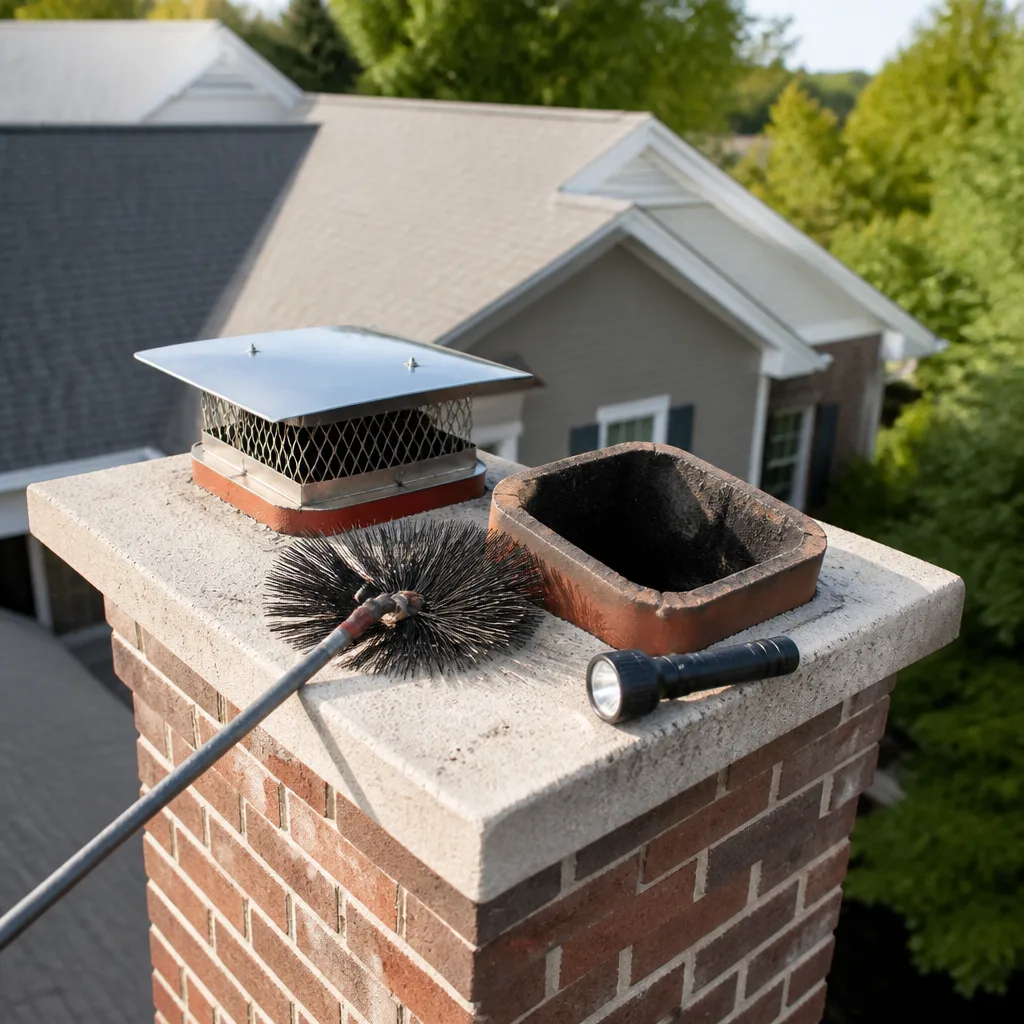
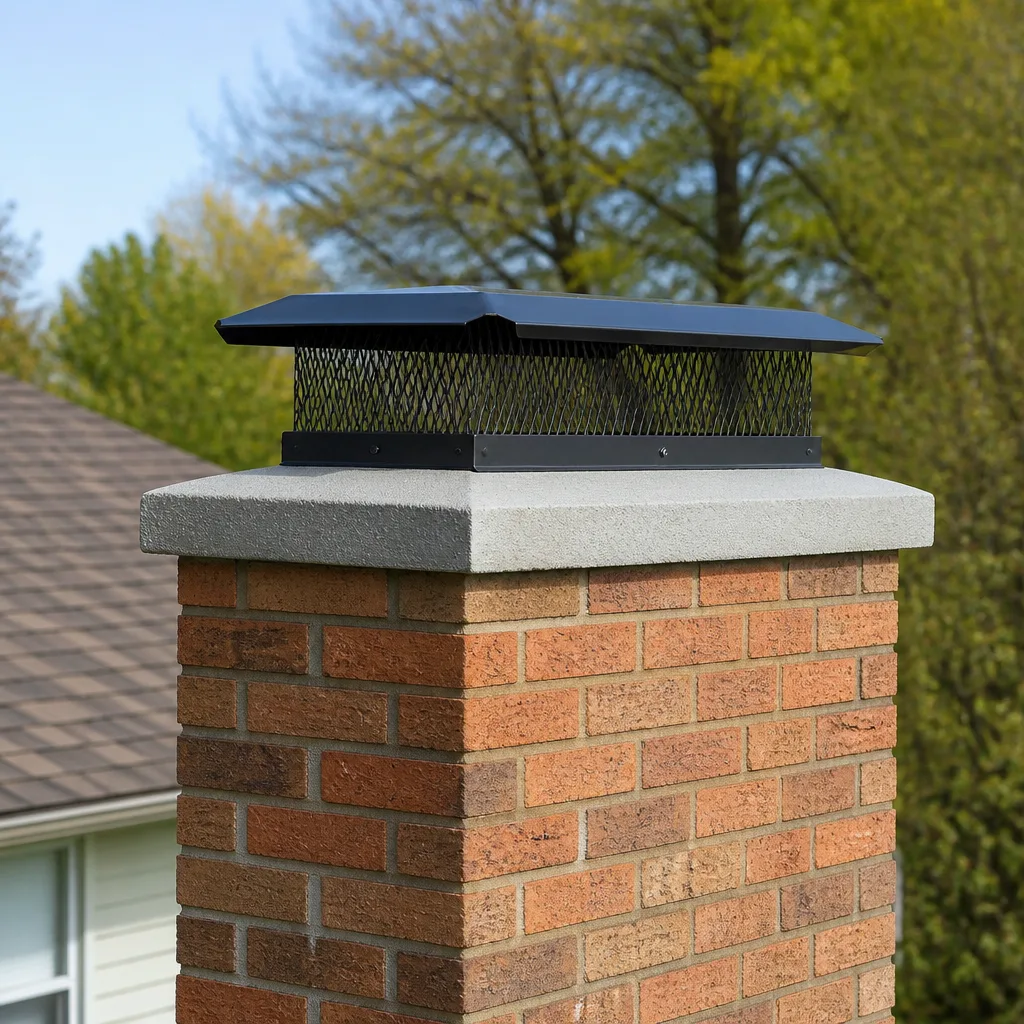
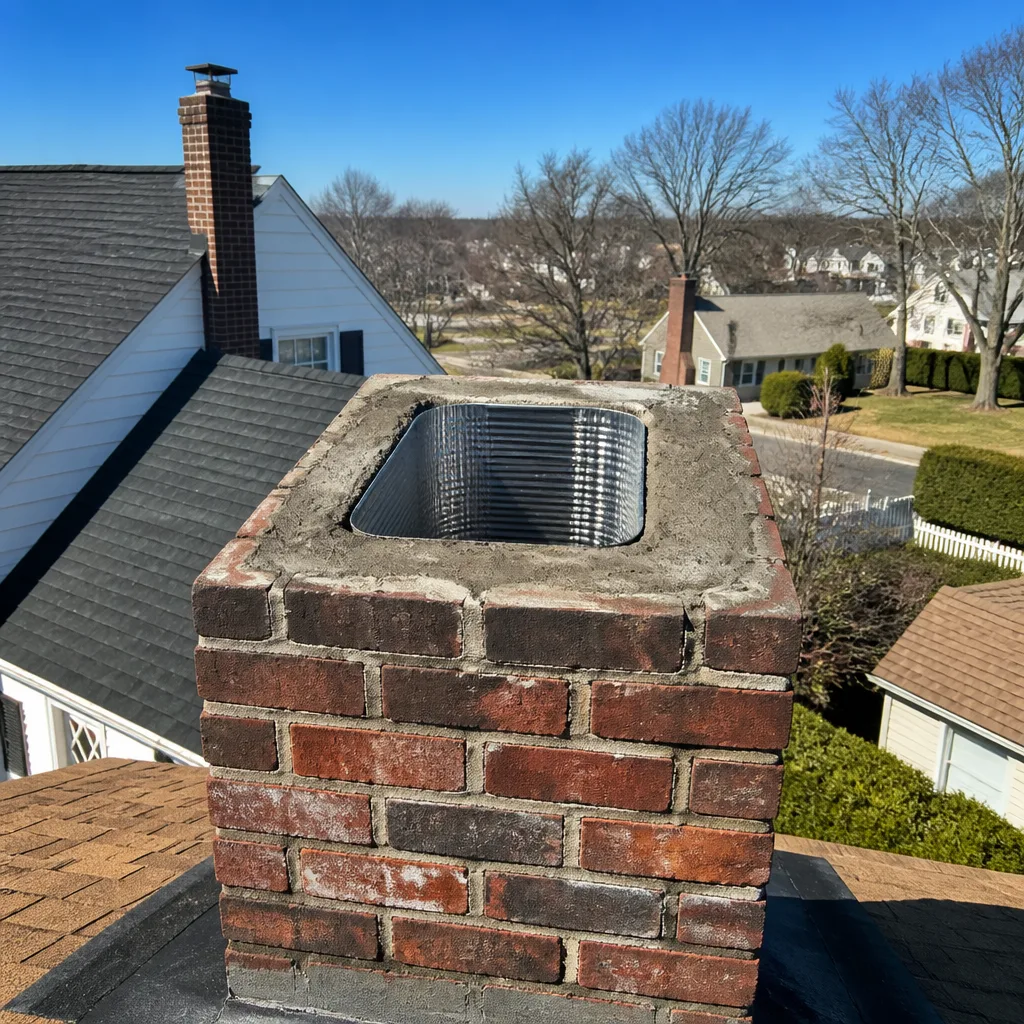
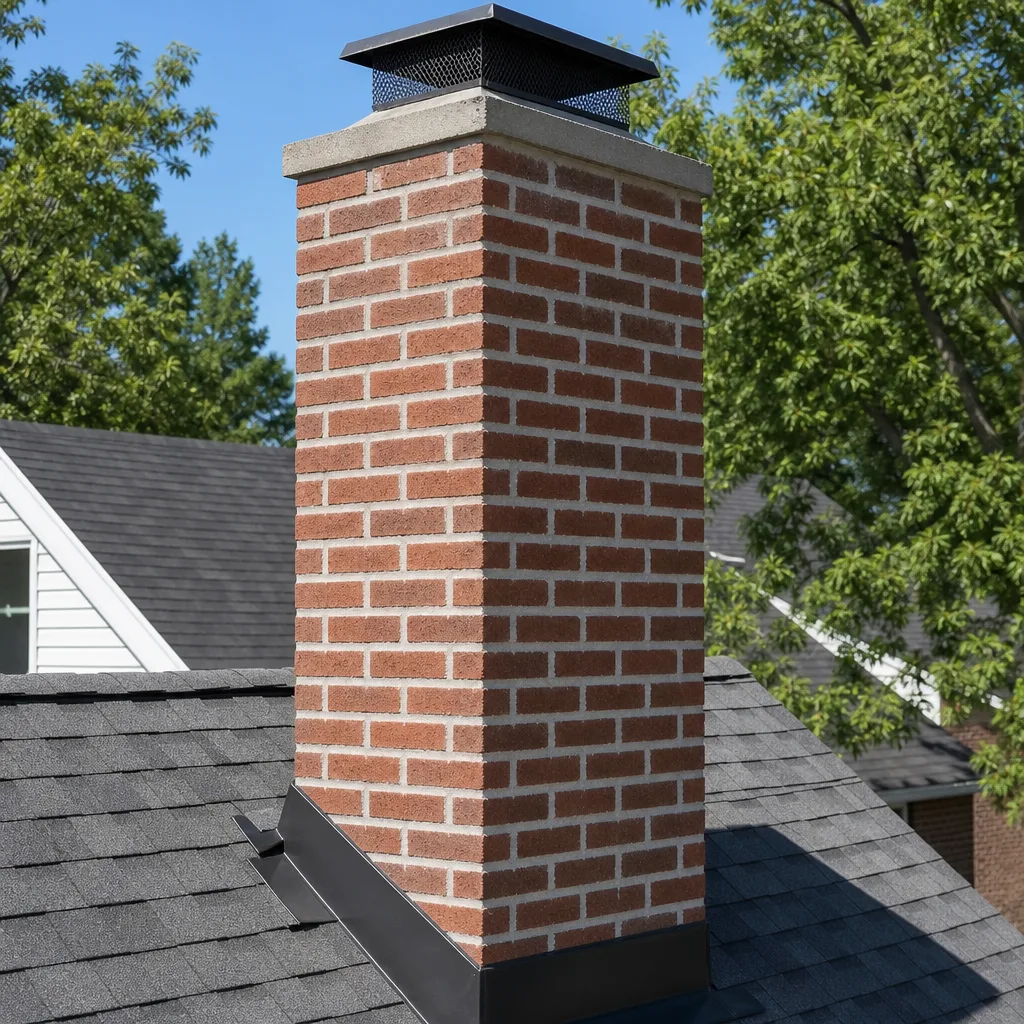
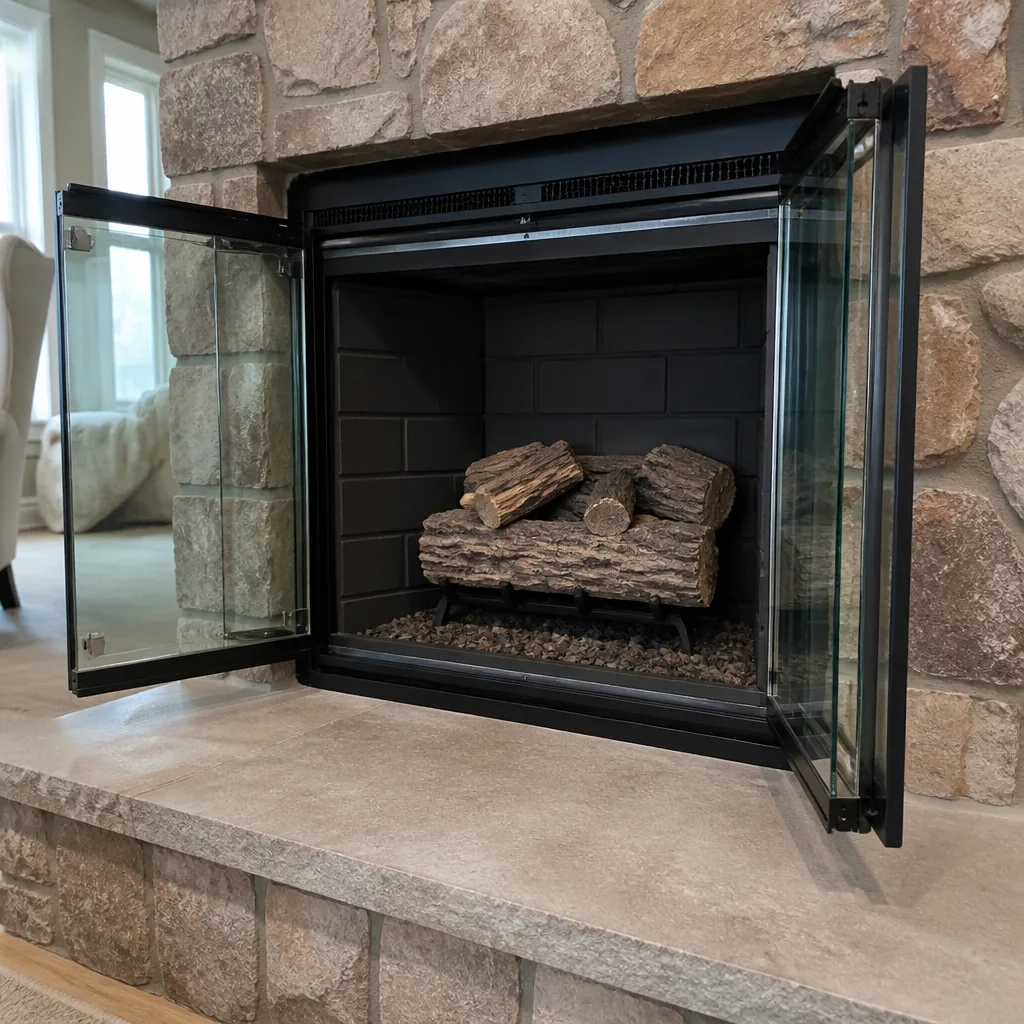
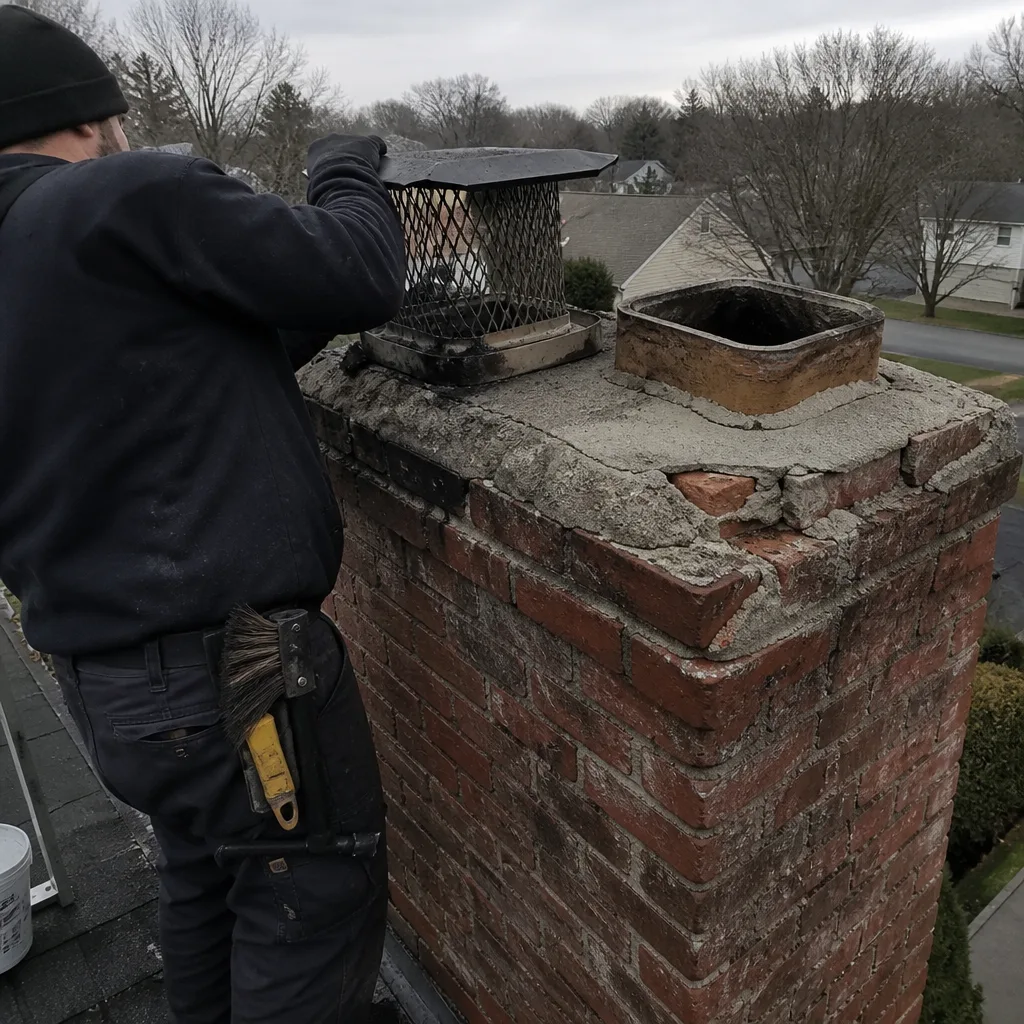 Before
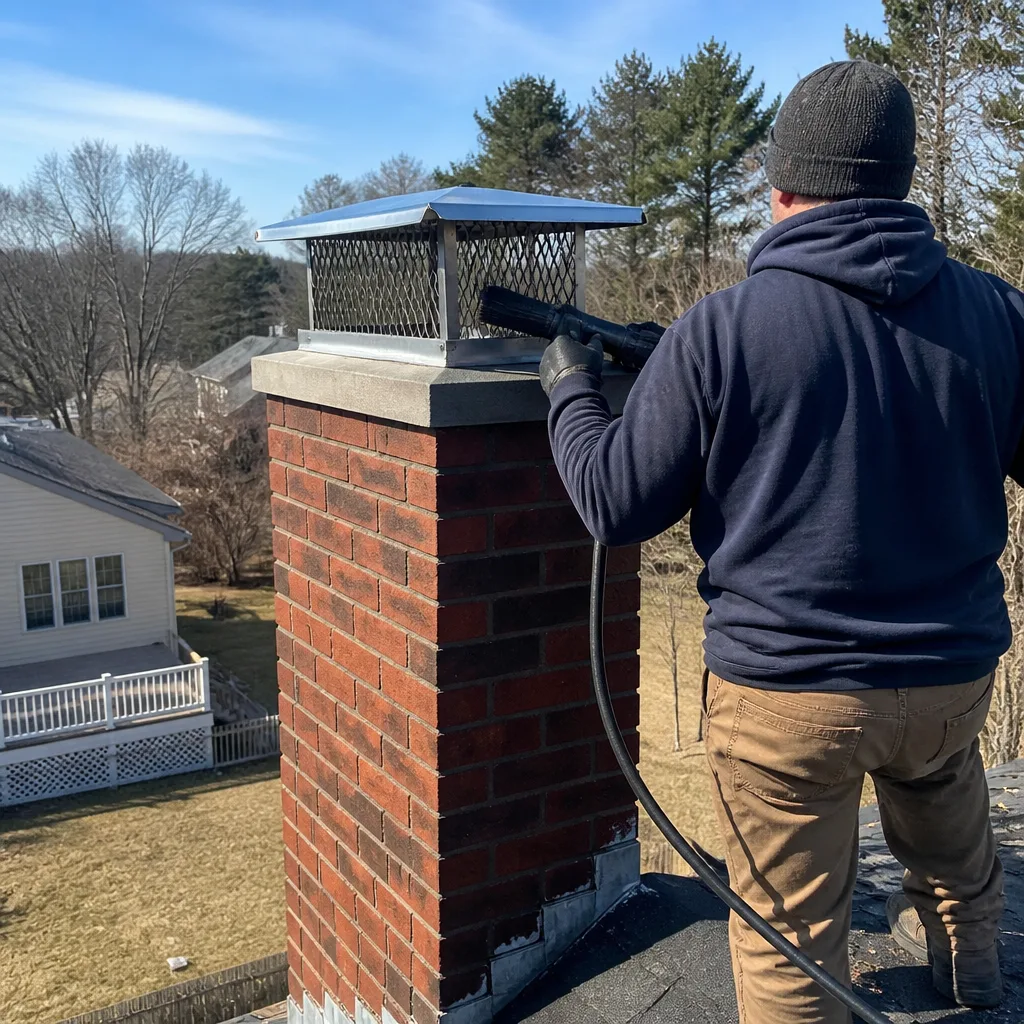 After
After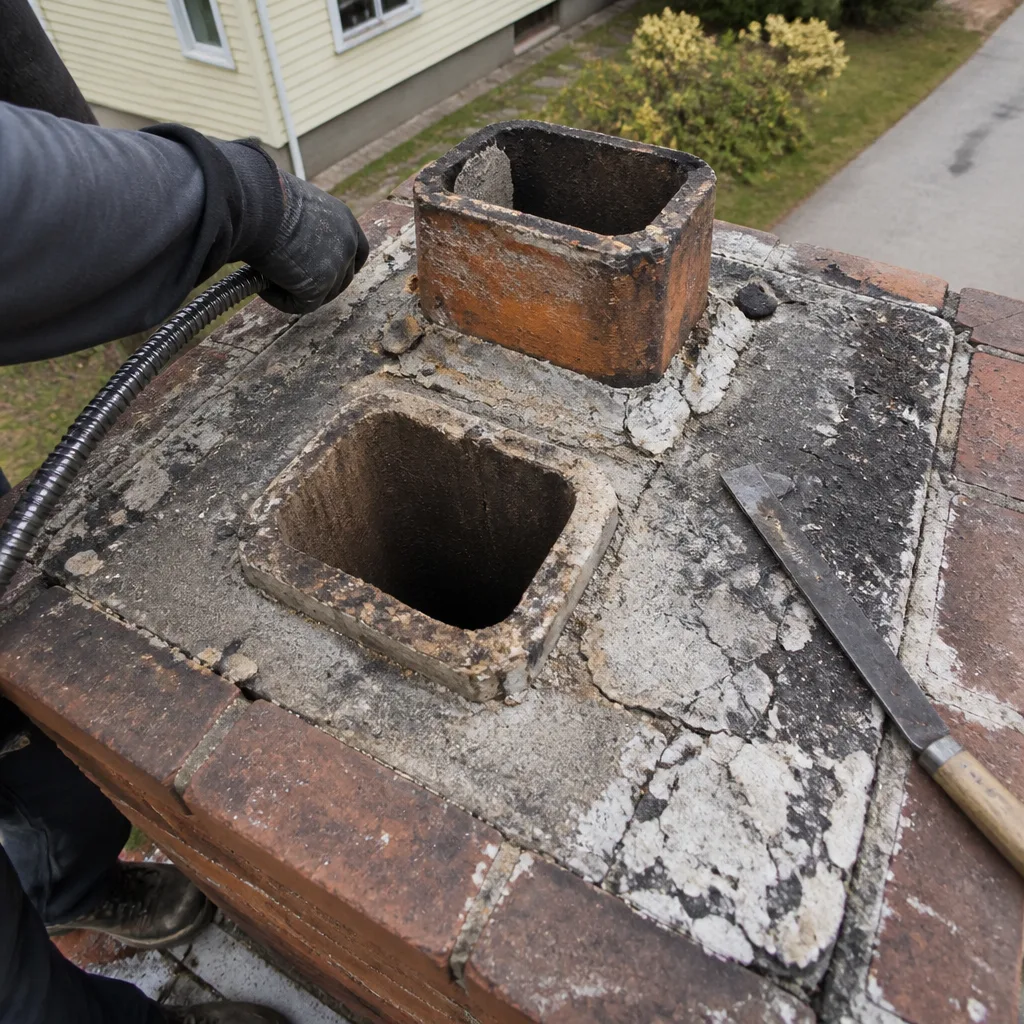 Before
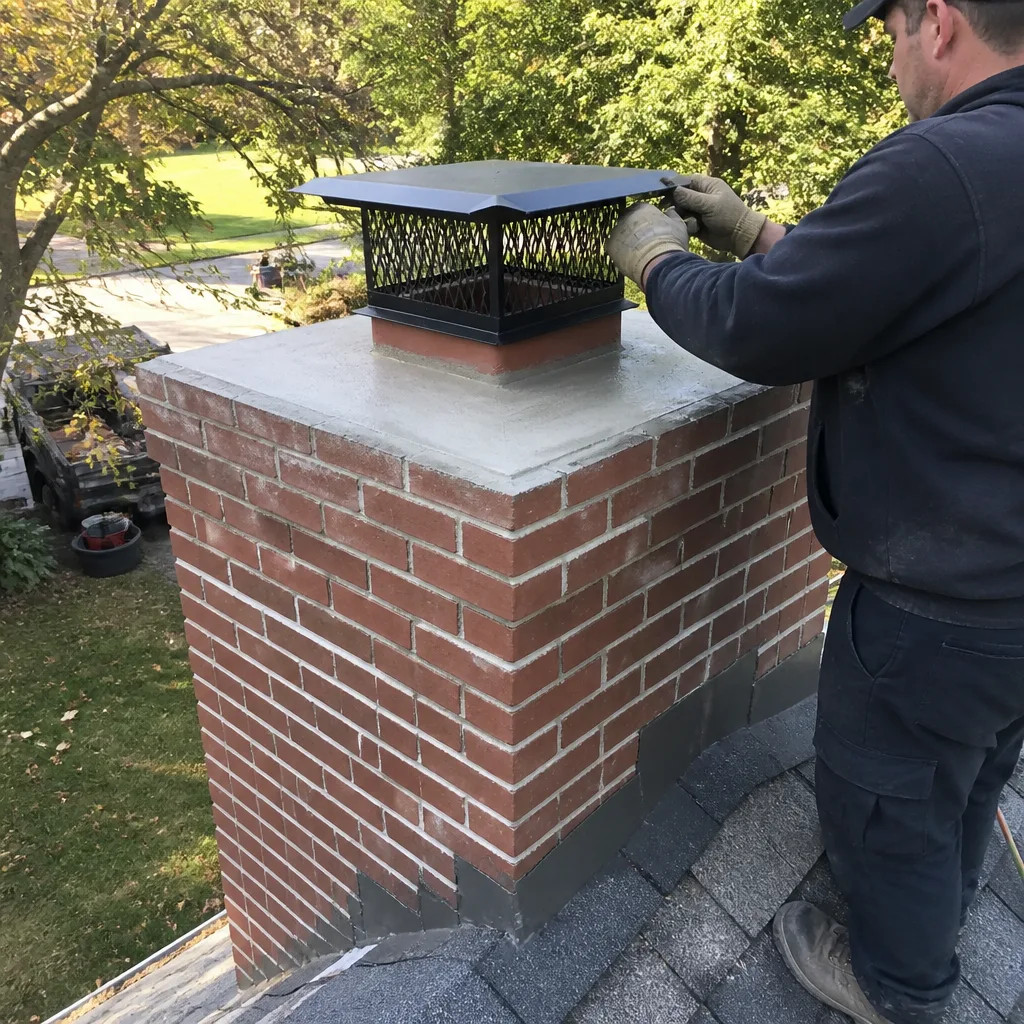 After
After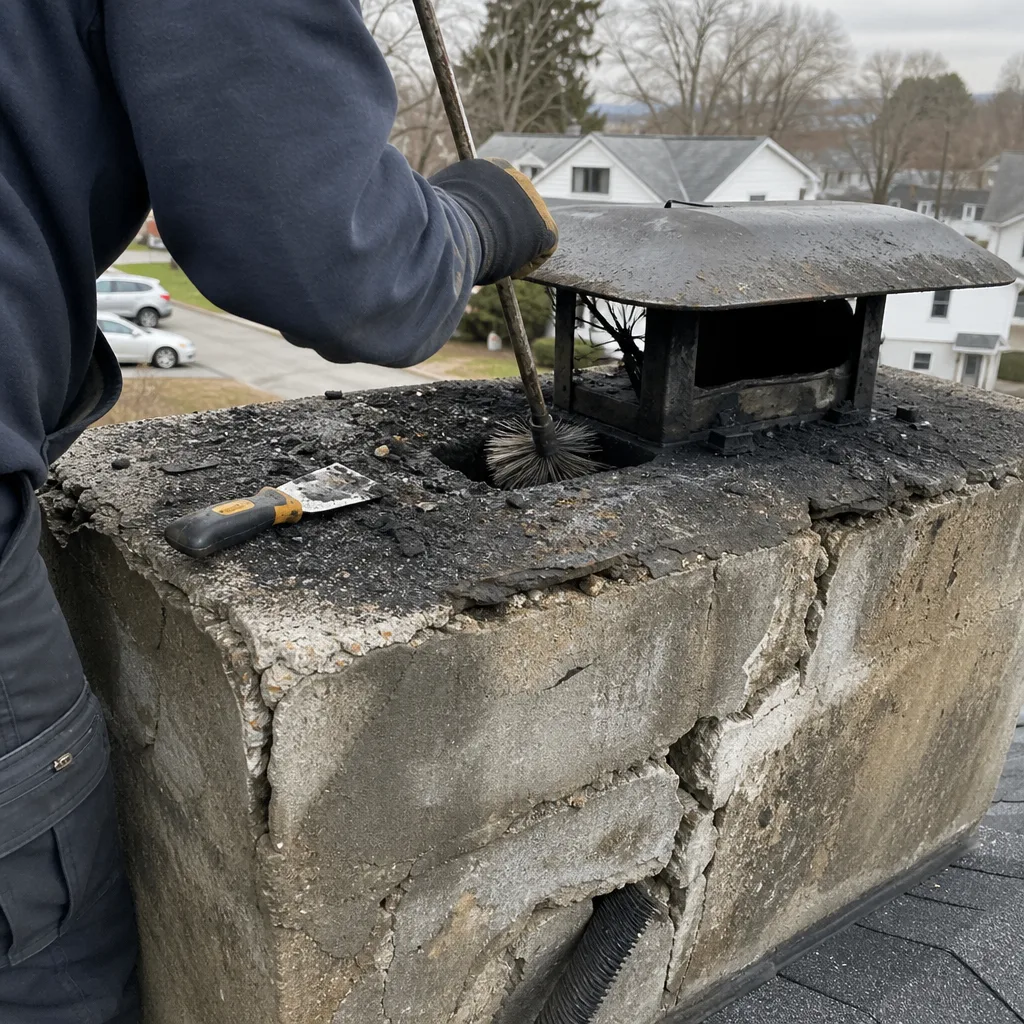 Before
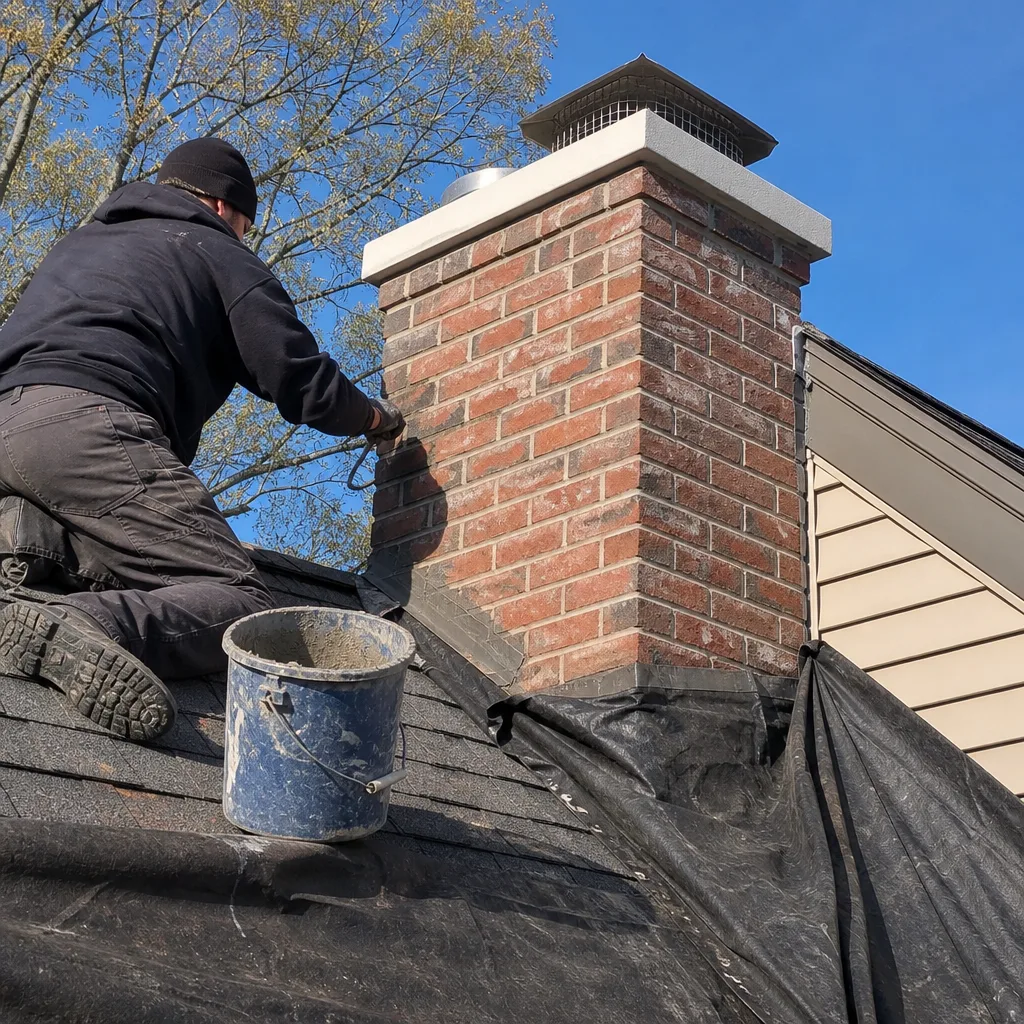 After
AfterDIY vs Professional Chimney Cleaning: The Attleboro Homeowner’s Decision Guide
A chimney brush, extension rods, and a drop cloth will remove Stage 1 creosote from a straight flue. That’s true. What’s also true is that the brush passes through the same cracks, spalls, and liner gaps that cause house fires - and doesn’t stop to document them. The brush does one job. The inspection is the other job.
In Attleboro, where winters run long and oil-to-gas conversions have left generations of mixed flue types in older homes, we’ve seen homeowners save money with a careful DIY approach. We’ve also seen the aftermath when the approach wasn’t careful enough. This guide draws the honest line between what you can handle yourself and what requires a trained eye, documented report, and professional-grade repair capability - for more, see our How to Hire a Chimney Cleaning Contractor in Attleboro: A Step-by-Step Guide.
By the end, you’ll know exactly when DIY chimney brushing makes sense, what equipment you actually need, what it cannot accomplish, and how to build a hybrid maintenance plan that protects your home without overspending.
Quick Answer
DIY chimney cleaning works only for wood-burning fireplaces with straight flues, recent professional inspections on file, and light creosote buildup (Stage 1). For Attleboro homes with oil furnace flues, gas vents, any known liner damage, or chimneys that haven’t been professionally inspected within two years, professional cleaning and Level-2 camera inspection is the safer choice. Most homeowners benefit from a hybrid approach: light interim brushing between annual professional visits.
Table of Contents
- What DIY Chimney Cleaning Can Actually Accomplish
- The Equipment You Actually Need vs. What’s Missing
- When DIY Makes Sense in Attleboro Homes
- When DIY Fails and Risks Take Over
- Insurance, Liability, and the Documented Sweep
- The Hybrid Approach: Building a Smart Maintenance Plan
- Cost Comparison: Real Numbers for Attleboro
- Common Mistakes to Avoid
- When to Call a Professional
- Frequently Asked Questions
- The Bottom Line
What DIY Chimney Cleaning Can Actually Accomplish
Let’s start with what a chimney brush actually does. A poly or wire brush on extension rods, worked up and down the flue, mechanically dislodges loose, powdery, or flaky deposits. This is Stage 1 creosote: soot and fine ash that hasn’t hardened into glazed tar. If you burn well-seasoned hardwood, maintain hot fires with adequate air supply, and sweep after every cord or two, Stage 1 is what you’ll find.
The brush also knocks down cobwebs, bird nests in early stages, and loose masonry debris. In a straight, unlined or clay-tile-lined flue with no offsets, no bends, and no narrowing, a determined homeowner can achieve reasonable mechanical cleaning.
What the brush does not do:
- Detect cracked flue tiles, mortar joint failure, or spalling at the crown
- Identify creosote that has hardened to Stage 2 (gummy) or Stage 3 (glazed, glassy)
- Evaluate the chimney crown, cap, flashing, or exterior masonry condition
- Assess proper clearances to combustibles in the attic or wall chase
- Document anything for insurance, real estate transfer, or warranty purposes
We’ve been in Attleboro attics where the flue looked clean from below but had a three-foot vertical crack invisible without a camera. The brush went right past it. The homeowner had “cleaned” the chimney twelve times without knowing.
The distinction matters because creosote removal is only half the safety equation. Structural integrity is the other half, and no brush - however vigorously applied - provides that information.
The Equipment You Actually Need vs. What’s Missing
Hardware store chimney sweep kits range from $30 to $80 and typically include a brush, four to six extension rods, and a plastic scoop. For a legitimate DIY sweep, you’ll need more.
Minimum Equipment for a Safe DIY Sweep
- Proper brush size and type: The brush diameter must match your flue exactly. A 6-inch round brush in a 7-inch flue leaves a ring of creosote. A 7-inch brush forced into a 6-inch flue can damage clay tiles. Measure the flue opening at both top and bottom - they sometimes differ in older Attleboro homes.
- Adequate rod length: Count the stories. A two-story chimney needs roughly 25 feet of rod. Buy extra; running short at the top is dangerous.
- HEPA-rated vacuum or dedicated ash vacuum: Standard shop vacs blow fine particulate through the exhaust. Creosote particles are carcinogenic. A true HEPA vacuum with proper filtration runs $150-$250.
- Drop cloths, respirator (N95 minimum, P100 preferred), goggles, and gloves: Creosote is a skin irritant and respiratory hazard.
- Flashlight and inspection mirror: For examining the flue from below and the smoke chamber above the damper.
- Drop cloth or tarp sealing the fireplace opening: Prevents soot from entering the living space during brushing.
What’s missing from most kits, and what separates amateur from professional capability:
- Video inspection camera: A self-leveling, LED-lit camera on a flexible rod costs $800-$2,500 for professional units. Consumer-grade borescope cameras ($50-$150) exist but lack the length, durability, and image quality for reliable flue assessment.
- Mechanical rotary cleaning system: For Stage 2 or 3 creosote, a spinning chain or whip on a rotary driver is required. Hand brushing will not remove glazed creosote and may polish it smoother, making future removal harder.
- Professional-grade repair materials: When damage is found, proper repair requires products like HeatShield cerfractory sealant for flue tile joint repair, or Gelco stainless steel caps for weather protection. These are not available at retail in Attleboro.
- Combustible clearance knowledge: NFPA 211 standards specify minimum clearances that vary by construction type. Violations are common in pre-1980s Attleboro homes and invisible without invasive inspection.
Total realistic investment for competent DIY: $200-$400 in equipment, plus the time to learn proper technique. A professional sweep with Level-2 inspection in Attleboro runs $250-$400. The math shifts quickly.
When DIY Makes Sense in Attleboro Homes
DIY chimney brushing occupies a narrow but real window. In our experience across Attleboro’s neighborhoods - from the capes in Hebronville to the older colonials near downtown - four conditions must all be true:
- A professional Level-2 inspection within 24 months with no defects found. You need a documented baseline. If the last inspection found cracked tiles, deteriorating mortar, or improper clearances, DIY brushing is premature.
- Wood-burning fireplace only. Not oil furnace flues, which produce sulfuric acid condensation that corrodes terra cotta and requires specialized evaluation. Not gas vents, which operate under different draft and corrosion dynamics. Not pellet stoves, which have specific venting requirements and ash accumulation patterns.
- Straight flue with no offsets or bends. A 90-degree offset in a flue makes brush navigation impossible without specialized flexible equipment. Many 1950s-1970s Attleboro homes have offsets to avoid structural elements.
- Stage 1 creosote only. If buildup is gummy, tar-like, or glazed, stop. Hand brushing will not remove it and may compound the problem.
The Attleboro climate reinforces these constraints. Our freeze-thaw cycles are severe. Water intrusion through a cracked crown, followed by winter freezing, accelerates spalling and liner damage. A homeowner brushing in October without inspecting the crown may be working in a flue that’s structurally compromised before the first fire of the season.
Where DIY does fit: the homeowner with a well-maintained, recently inspected wood fireplace who burns 1-2 cords annually, runs hot fires, and wants to reduce creosote accumulation between professional visits. In this scenario, interim brushing every cord can reduce the professional sweep frequency from annual to every 2-3 years, with the critical caveat that the professional inspection still happens on schedule.
When DIY Fails and Risks Take Over
Certain scenarios transform DIY from cost-saving into genuine hazard. We’ve encountered each of these in Attleboro homes, and we flag them without exception.
Oil Furnace Flues
Attleboro has thousands of homes converted from oil to gas, or still running oil heat. Oil flues produce sulfur dioxide, which combines with moisture to form sulfuric acid. This acid attacks terra cotta liner tiles, mortar joints, and even stainless steel in concentrations that vary by burner efficiency and maintenance. A brush removes loose debris but provides no information about acid corrosion, liner degradation, or draft adequacy. Oil flue evaluation requires a technician who understands the interaction between burner service, flue temperature, and condensation patterns.
Gas Appliance Vents
Gas vents, whether for furnaces, boilers, or water heaters, operate at lower temperatures and are susceptible to condensation corrosion, joint separation, and blockage by nesting materials. The consequences of vent failure are carbon monoxide, not just fire. DIY brushing of a gas vent is inappropriate and potentially dangerous.
Known or Suspected Liner Damage
If a previous inspection noted cracked tiles, missing mortar, or gaps between liner sections, brushing can worsen the damage. A brush catching on a protruding tile edge can snap it. Rods flexing in a gap can lodge and require professional extraction. We’ve retrieved homeowner equipment from flues more than once.
Chimneys Without Caps
An uncapped chimney in Attleboro collects rain, snow, leaves, and animal nesting. Brushing a water-saturated flue distributes acidic slurry through the system. The correct first step is inspection, drying, and cap installation - not brushing. Chimney Repair in Attleboro addresses cap and crown issues before cleaning proceeds.
Chimneys Over 25 Years Without Inspection
In Attleboro’s older housing stock, particularly the pre-war homes near County Street and the historic districts, we’ve found chimneys that have never had a camera inspection. Decades of combustion byproducts, moisture cycling, and freeze-thaw damage create conditions no brush can assess. The first intervention must be diagnostic, not mechanical.
Steeper Than 6:12 Roof Pitch
Roof access for top-down brushing (the more effective technique) requires proper ladder placement, roof anchors, and fall protection on steep pitches. Attleboro’s snow and ice make this a seasonal impossibility for much of the year. Bottom-up brushing from the fireplace is possible but less effective and extremely messy without proper containment.
Insurance, Liability, and the Documented Sweep
This is the point where abstract risk becomes concrete. If a chimney fire occurs, your insurance adjuster will ask for documentation of professional maintenance. A self-performed brushing, however diligent, generates no documentation that satisfies this request.
What insurers typically require after a chimney fire claim:
- Date of most recent professional inspection
- Name and credentials of the sweep or company
- Written report with findings and recommendations
- Photographic or video evidence of flue condition
- Documentation that recommended repairs were completed
A homeowner’s word that “I brushed it myself every year” does not meet this standard. In disputed claims, the absence of professional documentation can shift liability to the policyholder, affecting coverage and potentially invalidating the claim.
The same documentation matters for real estate transactions. Attleboro buyers increasingly request Level-2 inspection reports. Sellers with only DIY maintenance history may face repair credits or insurance contingencies that exceed the cost of years of professional service.
Our Chimney Cleaning & Sweep in Attleboro includes written photo documentation with every Level-2 inspection. The report becomes your record, transferable to insurers, buyers, or your own maintenance planning.
The Hybrid Approach: Building a Smart Maintenance Plan
For many Attleboro homeowners, the optimal model combines limited DIY with scheduled professional service. This isn’t compromise. It’s calibration.
The Hybrid Framework
- Annual professional Level-2 inspection: Non-negotiable. Camera evaluation of the flue, assessment of crown, cap, flashing, and exterior, written report with photos. Schedule before burning season - September or early October in Attleboro.
- Professional sweep when inspection indicates: If creosote exceeds 1/8-inch buildup, or any Stage 2/3 is present, professional mechanical cleaning with rotary equipment.
- Homeowner interim brushing: Only if inspection is clear, flue is straight, and burning is light (under 2 cords annually). Brush after each cord, using proper equipment and containment.
- Immediate professional call if: Draft changes, smoke odor when not in use, visible debris in firebox, or any unusual sounds from the flue.
Financially, this model typically runs $250-$400 annually for professional inspection and sweep as needed, plus $200-$400 one-time for DIY equipment. If interim brushing extends professional sweep intervals from annual to biennial, the homeowner breaks even in year two and saves modestly thereafter - with the critical protection of ongoing professional documentation.
Without the annual inspection, the savings are illusory. We’ve replaced liners in Attleboro homes where five years of DIY brushing masked progressive tile deterioration. The $200 saved annually became a $3,000-$5,000 liner replacement, often with accompanying masonry repair.
For Fireplace Services in Attleboro that include inspection, sweep, and repair planning, the integrated approach eliminates this gap.
Cost Comparison: Real Numbers for Attleboro
Attleboro’s chimney service market reflects its housing stock: older homes, mixed fuel types, and seasonal demand concentration before winter. Here’s what homeowners actually pay - for full pricing context, see our Chimney Cleaning Cost Breakdown: The Attleboro Homeowner’s Reference for 2026.
DIY Costs (First Year)
| Basic brush and rod kit | $30-$80 |
| HEPA ash vacuum | $150-$250 |
| Respirator, goggles, gloves | $30-$50 |
| Drop cloths, containment materials | $20-$40 |
| Flashlight, inspection mirror | $15-$30 |
| Consumer borescope (optional) | $50-$150 |
| Total first-year investment | $295-$600 |
Professional Service Costs in Attleboro
| Level-1 sweep (visual inspection, no camera) | $150-$220 |
| Level-2 sweep with camera inspection | $250-$400 |
| Mechanical rotary cleaning (Stage 2/3 creosote) | $100-$200 additional |
| Chimney cap installation (Gelco or similar) | $200-$450 |
| Crown repair or resurfacing | $300-$800 |
| Stainless steel liner (DuraFlex or equivalent) | $2,500-$5,000 |
The professional cost includes what DIY cannot purchase: documented inspection, liability coverage, warranty protection, and the technical judgment to stop cleaning when damage is found rather than proceed blindly.
Hearthstone Chimney Co. offers a $89 Seasonal Tune-Up and $50 off any repair over $250, plus a permanent 5% Senior and Veteran discount. With no-hassle upfront pricing, the estimate number is the invoice number.
Common Mistakes to Avoid
- Brushing without inspecting first. In Attleboro’s freeze-thaw climate, a flue that was sound last spring may have cracked over winter. The brush doesn’t know. You won’t either without a camera.
- Using the wrong brush material. Wire brushes damage stainless steel liners. Poly brushes won’t touch glazed creosote. Match the brush to the flue material and deposit type.
- Neglecting the smoke chamber and firebox. Creosote accumulates in the smoke chamber above the damper, a narrow space inaccessible to standard brushes. This is where many chimney fires originate.
- Improper ash disposal. Hot ashes placed in paper bags or plastic containers cause fires days after the fireplace seemed cold. Use metal containers, store away from structures, and wait 72 hours minimum.
- Assuming no smell means no problem. Carbon monoxide is odorless. Draft problems from partial blockage or liner damage may produce no visible symptom until dangerous levels accumulate.
- Skipping the cap to save money. An uncapped chimney in Attleboro admits rain, snow, squirrels, and starlings. The resulting moisture damage and nesting blockages cost far more than a Gelco or Olympia Chimney cap installed professionally.
When to Call a Professional
Call before you burn if your chimney hasn’t had a Level-2 inspection in two years or more. Call if you’ve recently moved into an Attleboro home and have no maintenance records. Call if you smell smoke when the fireplace isn’t in use, if draft has weakened, if you hear animal activity, or if any previous inspection noted defects.
Call if your home has oil heat, gas appliances vented through the chimney, or any fuel conversion in the chimney’s history. Call if the chimney lacks a cap, if the crown is cracked or deteriorated, or if you’ve experienced a chimney fire at any point - even one that self-extinguished.
Hearthstone Chimney Co. offers free estimates in Attleboro. A live person answers every call, 24 hours a day, seven days a week - not voicemail, not a callback queue. Our background-checked, uniformed technicians complete most jobs in a single visit, and every recommendation comes with photos you can see and a plain-English verdict.
Call (508) 545-9737 for a free estimate.
Frequently Asked Questions
A Level-2 chimney sweep with camera inspection in Attleboro typically costs $250-$400, with Level-1 visual-only sweeps starting around $150-$220. Mechanical rotary cleaning for glazed creosote adds $100-$200. Hearthstone Chimney Co. offers a $89 Seasonal Tune-Up and no-hassle upfront pricing - the estimate number is the invoice number. Call (508) 545-9737 for an exact quote; estimates are free.
The National Fire Protection Association recommends annual inspection for all chimneys, with cleaning frequency based on creosote accumulation. In Attleboro’s cold climate, where heating season runs October through April, most wood-burning fireplaces need annual sweep. Oil and gas flues require annual inspection, with cleaning intervals varying by usage and fuel quality. A professional inspection determines whether cleaning is needed each year.
You need a new liner when the existing one is damaged, improperly sized, or absent - conditions a camera inspection reveals. Cracked terra cotta tiles, gaps at joints, or corrosion in metal liners allow heat and combustion gases to reach combustible framing. In Attleboro’s older homes, we’ve found unlined chimneys and deteriorated original liners that homeowners didn’t know existed. Nothing is recommended without camera evidence you can see yourself, and we’ll tell you plainly when work can safely wait. Call (508) 545-9737 for a free estimate.
Skipped maintenance leads to creosote accumulation, which increases chimney fire risk, and undetected structural damage, which can allow carbon monoxide intrusion or house fires. In Attleboro’s freeze-thaw climate, minor crown cracks become major water infiltration points within two to three winters. The cost of deferred maintenance typically exceeds the cost of annual service by a factor of five to ten when liner replacement or masonry rebuild becomes necessary.
Standard shop vacs are inadequate and potentially hazardous for chimney ash. Their filters pass fine particulate, including carcinogenic creosote compounds, into your breathing space. True HEPA-rated ash vacuums with sealed filtration systems cost $150-$250 and are the minimum safe standard. Even with proper vacuuming, respiratory protection (P100 respirator) and containment (sealed fireplace opening) are essential.
DIY chimney cleaning is legal for single-family homeowners working on their own property. Massachusetts does not require homeowner licensing for personal maintenance. However, rental properties, multi-family dwellings, and commercial buildings may have insurance or municipal requirements for certified professional service. Attleboro’s building department can clarify specific requirements; we recommend confirming before proceeding. For your own home, legality is not the constraint - technical competence and documentation for insurance purposes are.
The Bottom Line
DIY chimney brushing has a place, but that place is smaller than internet tutorials suggest. It works for the attentive homeowner with a recently inspected, straight, wood-burning flue and light creosote buildup. It fails - sometimes dangerously - when applied to oil or gas systems, damaged liners, complex flue geometries, or chimneys without documented baseline condition.
The smarter path for most Attleboro homeowners is hybrid: professional Level-2 inspection annually, with interim homeowner brushing only when conditions are exactly right. Explore more guides & resources to keep your chimney safe year-round. This preserves safety documentation, catches deterioration early, and controls long-term cost without the false economy of unsupervised maintenance.
At Hearthstone Chimney Co., we’ve built our practice on the K.E.Y.S. code: Krafted right, Every time, Your home first, Standing behind it. The 90-Day Done Right Promise means if it’s not right, we make it right - in writing, no arguing. For over 42 years, that’s how we’ve operated in Attleboro and the communities we serve.
Call (508) 545-9737 to schedule your free estimate. A live person will answer, 24 hours a day.
Written by Russell Haines, Owner at Hearthstone Chimney Co., serving Attleboro since 2014.